The archaeological museums managed by the Andalusian Ministry of Culture, Historical Heritage and Sport will establish dedicated collection centres to address both the storage needs of these institutions and the growing demands for research, conservation, training, and dissemination.
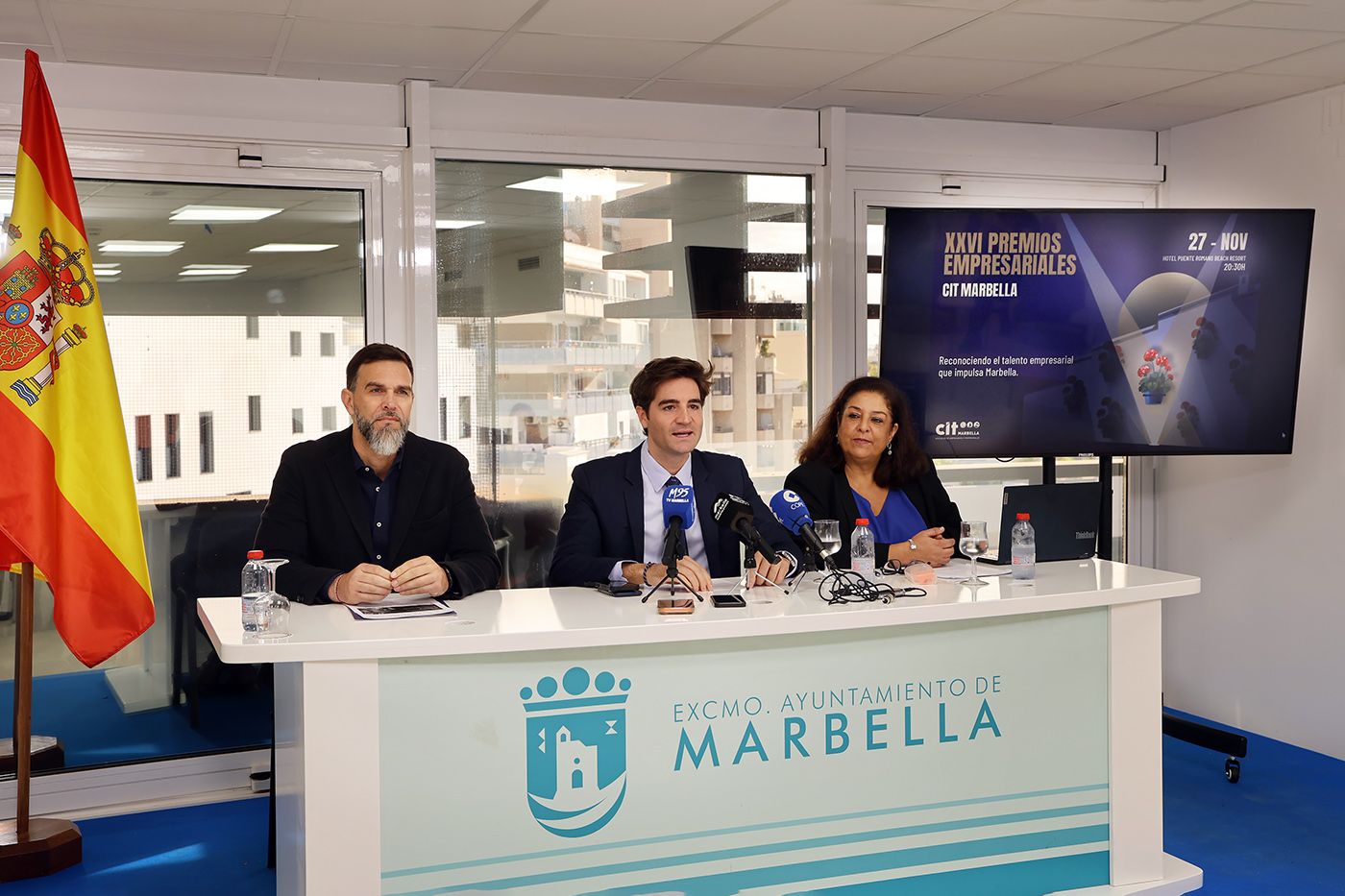
During a recent session of the Culture, Historical Heritage and Sport Commission in the Andalusian Parliament, Minister Patricia del Pozo explained, "Through the Special Storage Plan, museums with archaeological collections will be equipped with a permanent external storage area that allows for long-term growth, highly technological and equipped, based on a logistical concept. This will not only ensure optimal conservation and security conditions for the collections but also provide facilities for studying, classifying, and researching these items."
Del Pozo highlighted that "the museums of Andalusia are permanent receivers of archaeological materials. All items discovered during excavations, surveys, or chance finds across the region, in every municipality, are legally required to be deposited in our museums in each province. This amounts to thousands of pieces each year." In response to this situation, she noted that the Ministry has developed a strategy to modernise the storage spaces of museums, which will be provided with trained personnel and technological equipment to create a network of high-quality external areas suitable for 21st-century cultural infrastructure.
The proposal builds on the successful experience of the Cultural Goods Deposit Centre at the Archaeological Museum of Seville, located in San José de la Rinconada. Del Pozo emphasised, "These facilities are among the most modern and innovative museum storage, documentation, and research spaces for archaeological heritage in Spain." The Special Storage Plan for Museums of Andalusia (Peama) aims to extend this model to all archaeological museums or those with archaeology sections under regional management, facilitating an external reserve area for existing collections, providing necessary technical and documentary treatment, improving security and conservation measures, and expanding services for researchers.
The collection centres will be located no more than 20 to 25 kilometres from the main museum, ensuring good road connections and a single controlled access point with adequate security. They will also meet specific criteria, including a minimum surface area of approximately 4,500 square metres, designed to be as open as possible to allow for zoning and compartmentalisation of areas based on preventive conservation conditions.
With an initial budget of €640,000, the proposal will first be implemented in Granada and Málaga, where suitable spaces have already been identified to centralise the respective collections, with the transfer expected to be completed within approximately one year. This will subsequently be rolled out to the rest of the Andalusian provinces.
Del Pozo remarked, "This is a delicate and meticulous task that must be perfectly planned to ensure the security of each piece." In these provinces, new suitable deposits will be established, featuring areas for material reception, collection storage, cultural asset treatment—including handling, packing, and unpacking—research and consultation, dissemination and communication, training facilities, maintenance and control, and cleaning.
Concluding her remarks, Patricia del Pozo stated, "This initiative will enable Andalusia, in the medium term, to develop a network of deposit and collection centres capable of safeguarding, conserving, and enhancing a vital heritage that forms part of our identity and helps us understand who we are, as it embodies much of our cultural identity."