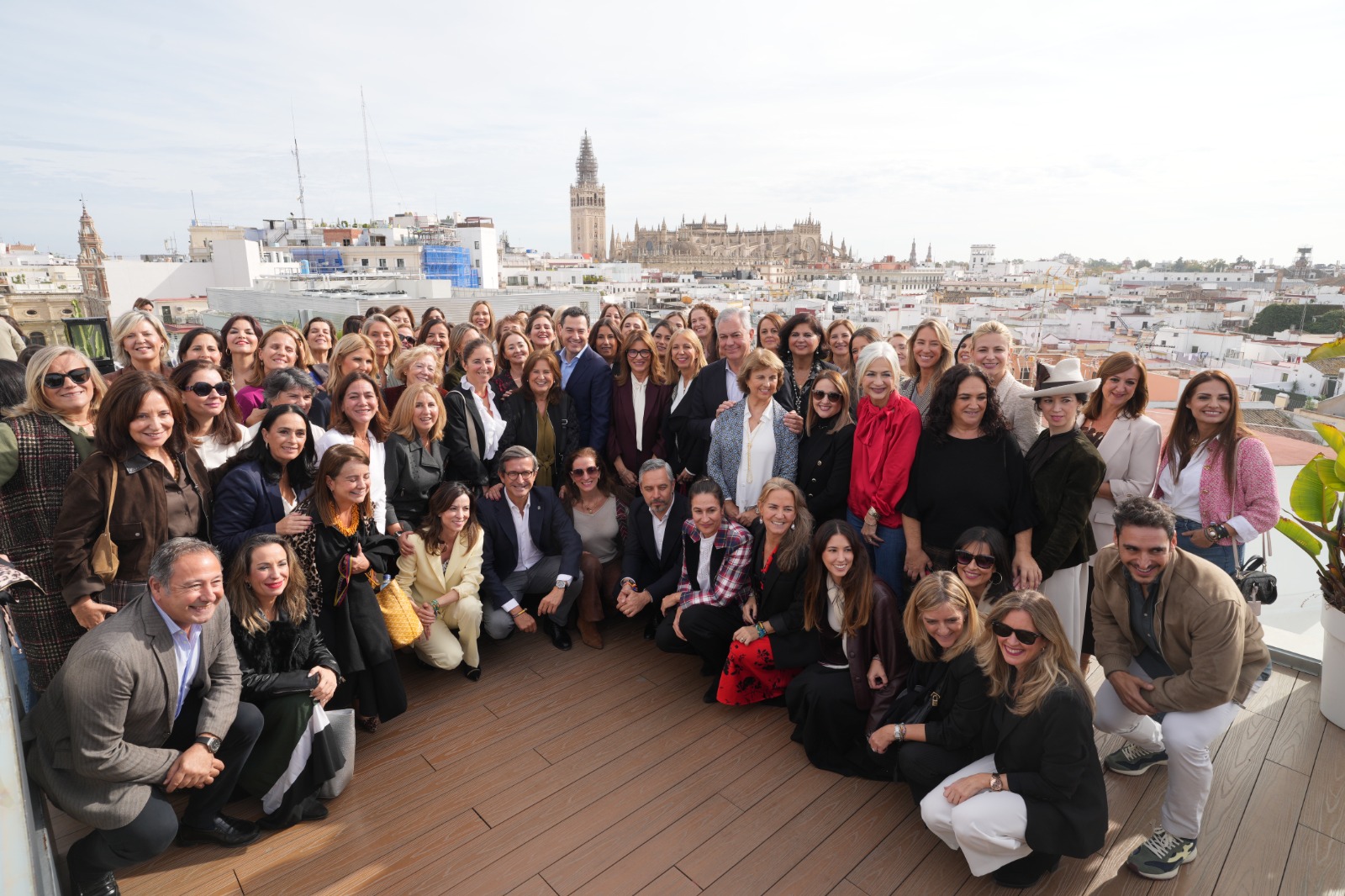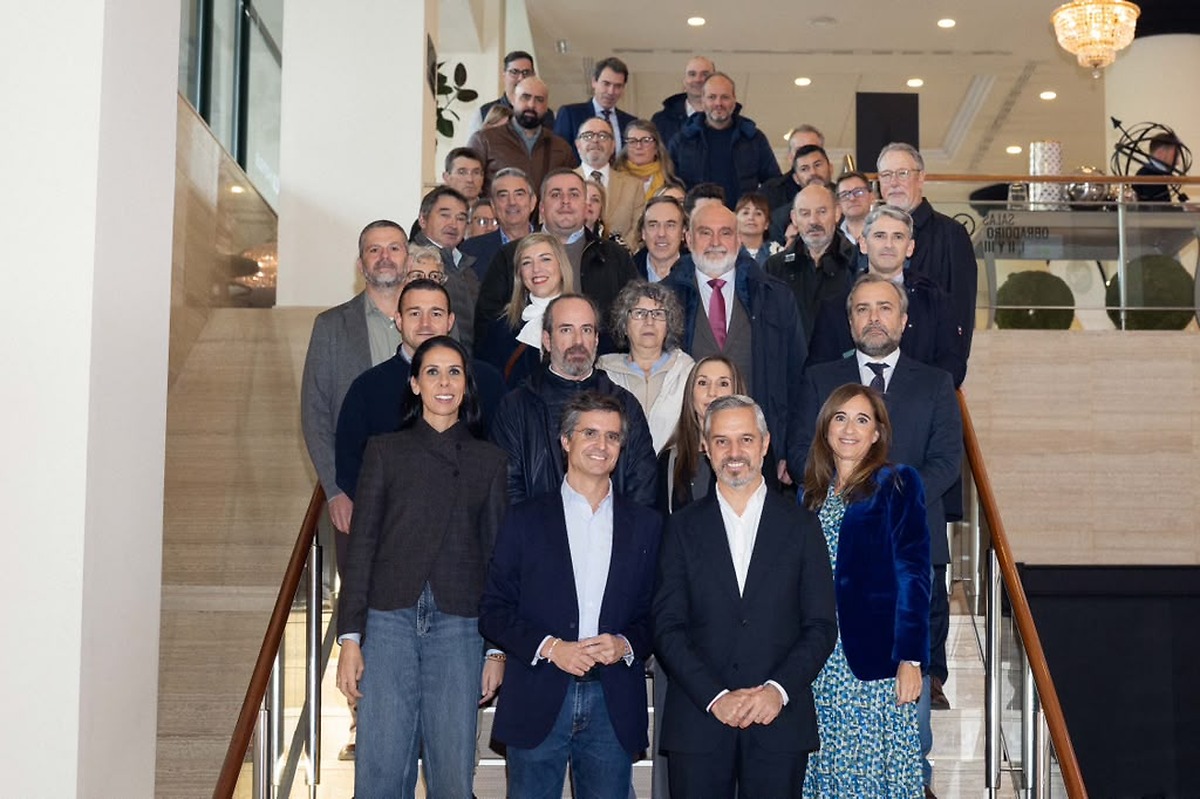
Borja Verea, the leader of the People's Party (PP) in Santiago, and Juan Bravo, the Deputy Secretary of Finance, Housing and Infrastructure of the PP, recently held a meeting with local entrepreneurs and self-employed professionals to address the economic challenges facing the city. The gathering aimed to share the PP's key proposals for enhancing business activity and creating jobs.
The meeting brought together representatives from various sectors of the economy in Santiago, including small businesses, self-employed individuals, SMEs, and large corporate groups. Verea emphasised the importance of moving away from traditional political event formats to encourage direct conversation with attendees, allowing him to hear their concerns and understand the difficulties they face in their daily operations.
During his speech, Verea committed to reducing the timeframe for granting municipal licences to one month and proposed the establishment of a single business office to provide personalised assistance and streamline administrative procedures for companies and self-employed professionals. "For Santiago to industrialise and attract new investments, we need two things: legal security and administrative agility," he stated.
To achieve this, he explained that his proposal to grant licences within a month would involve incorporating certifying entities to expedite procedures, following the example of other municipalities where this system is already in place. He also advocated for the creation of a single business office where any company or self-employed individual facing blocked municipal procedures could receive tailored support and prompt responses from the administration. "Establishing an office, equipping it with resources, and prioritising the resolution of administrative issues for businesses is a political decision. We are clear that we will make it," he asserted.
Verea highlighted his experience in the Industry Department of the Xunta de Galicia, where he participated in administrative simplification processes that eliminated numerous licences in favour of prior communications. "All candidates talk about reducing bureaucracy, but the difference lies in who has already proven they can do it. I have management responsibilities and know these measures are feasible," he explained.
He also praised Juan Bravo's track record, particularly his time as the Minister of Finance for the Junta de Andalucía, emphasising the credibility that government experience brings to economic proposals. Bravo, for his part, argued that the PP is the only party focusing this electoral campaign on proposals and a future project for Spain, built on active listening to society.
The economic programme of Alberto Núñez Feijóo includes measures such as a zero-rate tax for new self-employed individuals, VAT exemptions for those earning less than €85,000 annually, and tax incentives to encourage investment and business growth. The PP's project also proposes a reduction in personal income tax (IRPF) for middle and low incomes, updating this tax to prevent inflation from adversely affecting workers, and a temporary reduction of VAT on basic food items to 0%, aimed at improving families' purchasing power.
Bravo further emphasised the need to reduce bureaucracy and provide greater legal security to businesses and self-employed individuals to facilitate economic activity and job creation. He questioned the absence of proposals from the left after eight years in government and insisted that the PP is using the campaign to listen, explain its measures, and share its vision for the country. He ultimately linked this alternative to the "necessary change" for Spain and underscored the importance of meetings like the one held in Santiago to directly understand the needs of those who invest, create jobs, and drive economic growth.