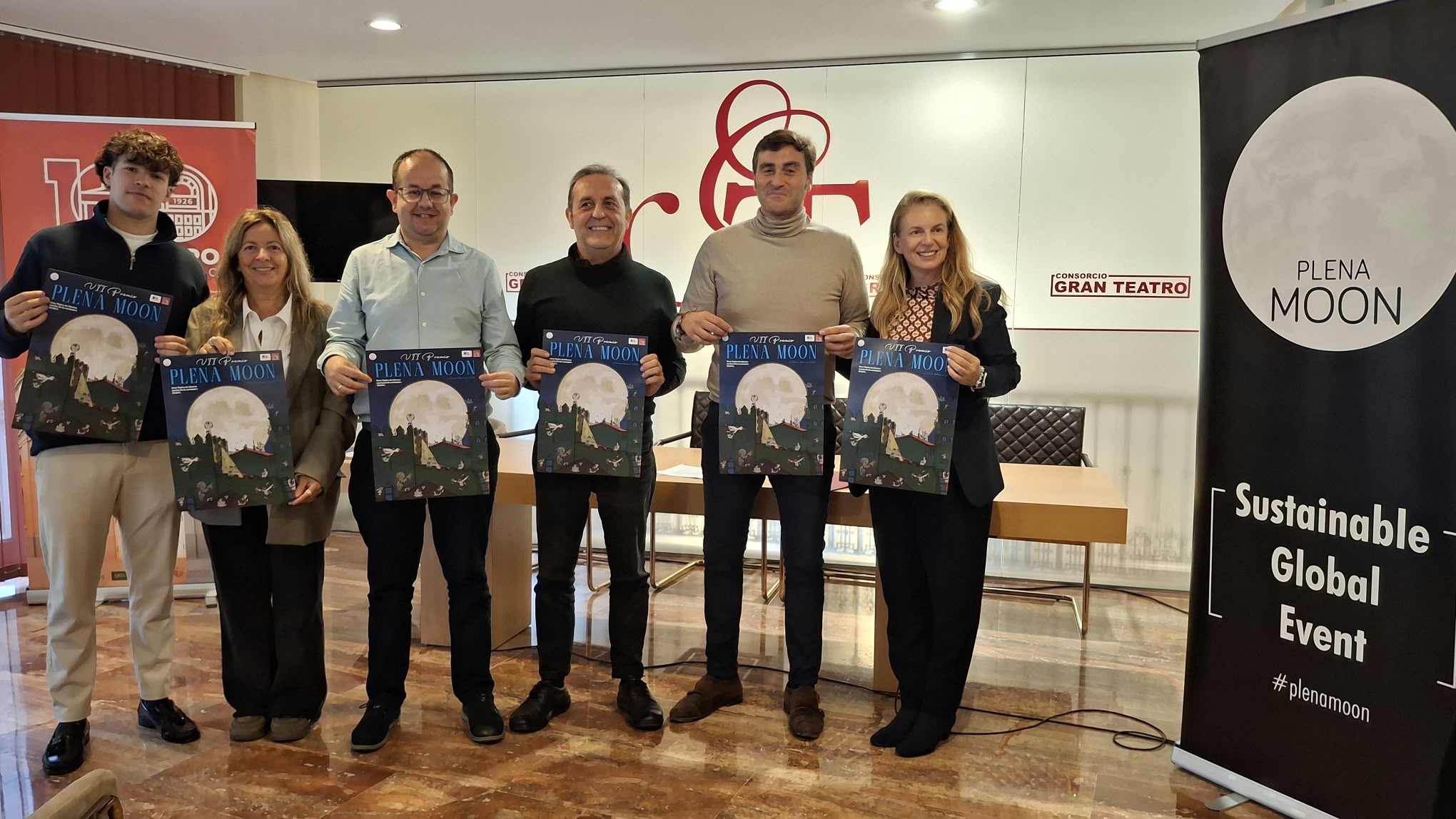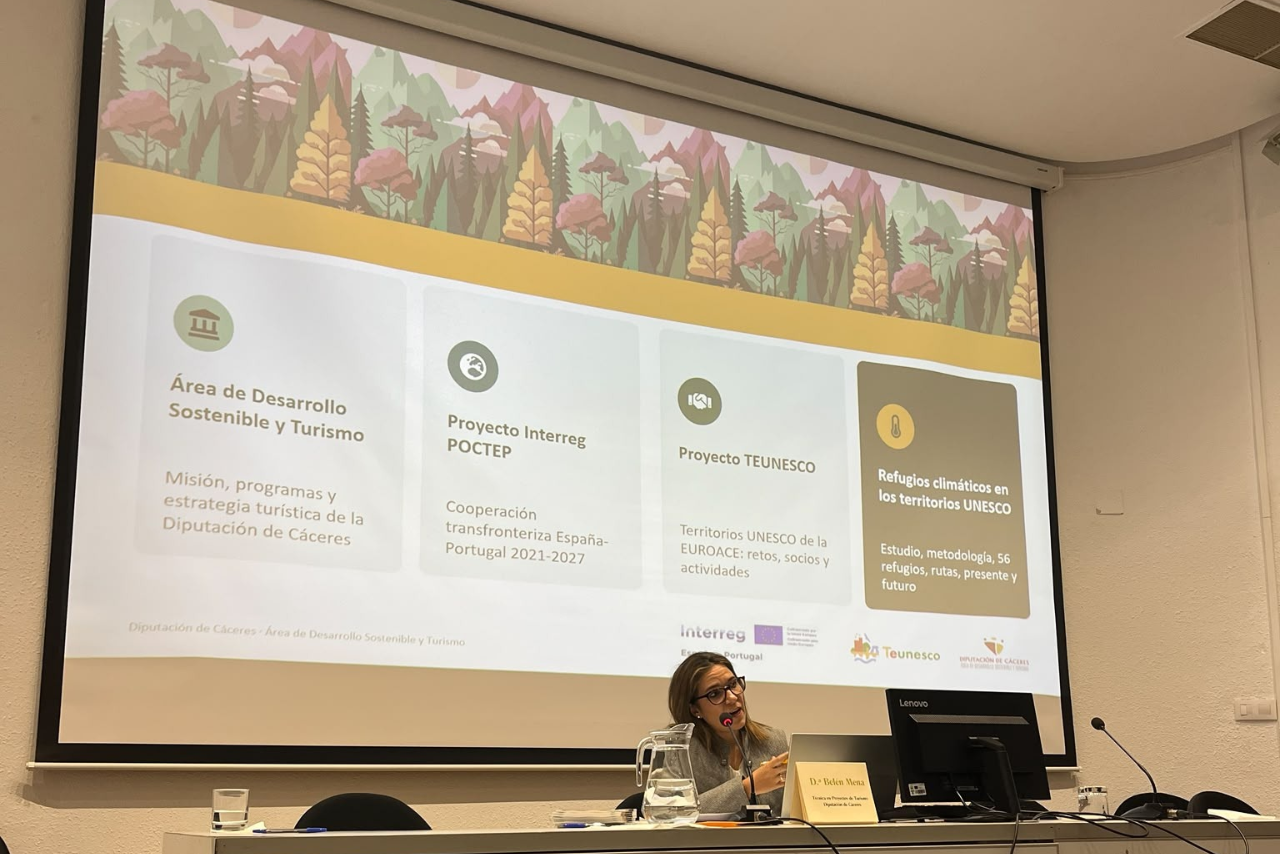
The Diputación de Cáceres has introduced the guide titled 'Climate refuges for tourists and visitors in UNESCO territories' in Cantabria, as part of the European POCTEP TEUNESCO project. This presentation was a key highlight of the European Day of Information and Dissemination: Climate Refuges in Rural Areas, held on 13 November and organised by the Cantabrian Network for Rural Development.
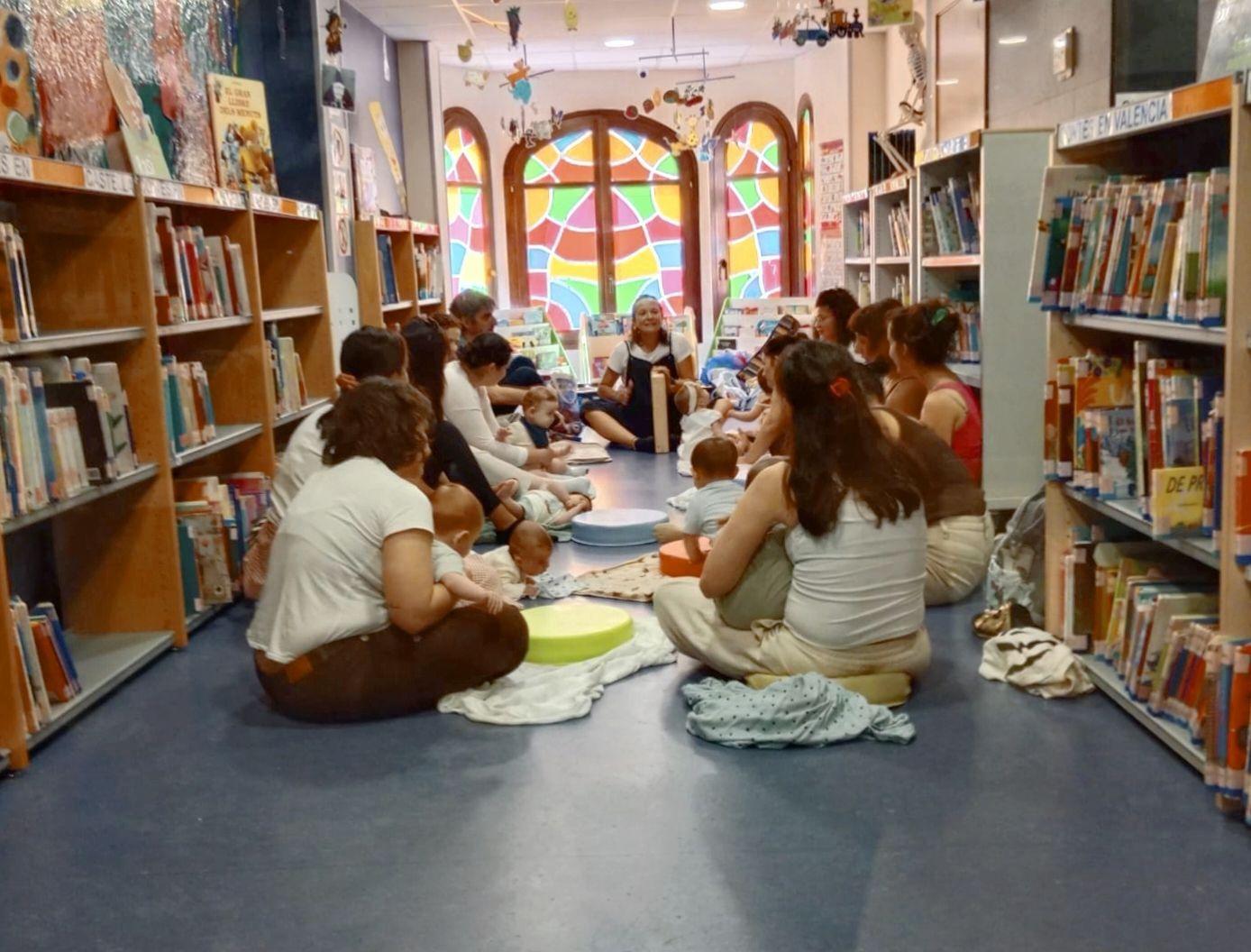
During the event, projects from other autonomous communities were discussed, including the network of climate refuges in the Basque Country and the identification of potential refuges in rural areas of southern Cantabria. It was concluded that implementing these refuges in rural settings is essential, utilising existing infrastructures such as municipal buildings or community facilities, which allows for a more agile and cost-effective expansion of the network.
Moreover, it was emphasised that these refuges should be designed as a stable, environmentally sustainable resource over time. Beyond providing protection from heat, these refuges can strengthen community ties and facilitate access for those in greatest need. The necessity of considering thermal refuges in water bodies, such as rivers and other fluvial ecosystems, was also highlighted as a complement to enclosed spaces.