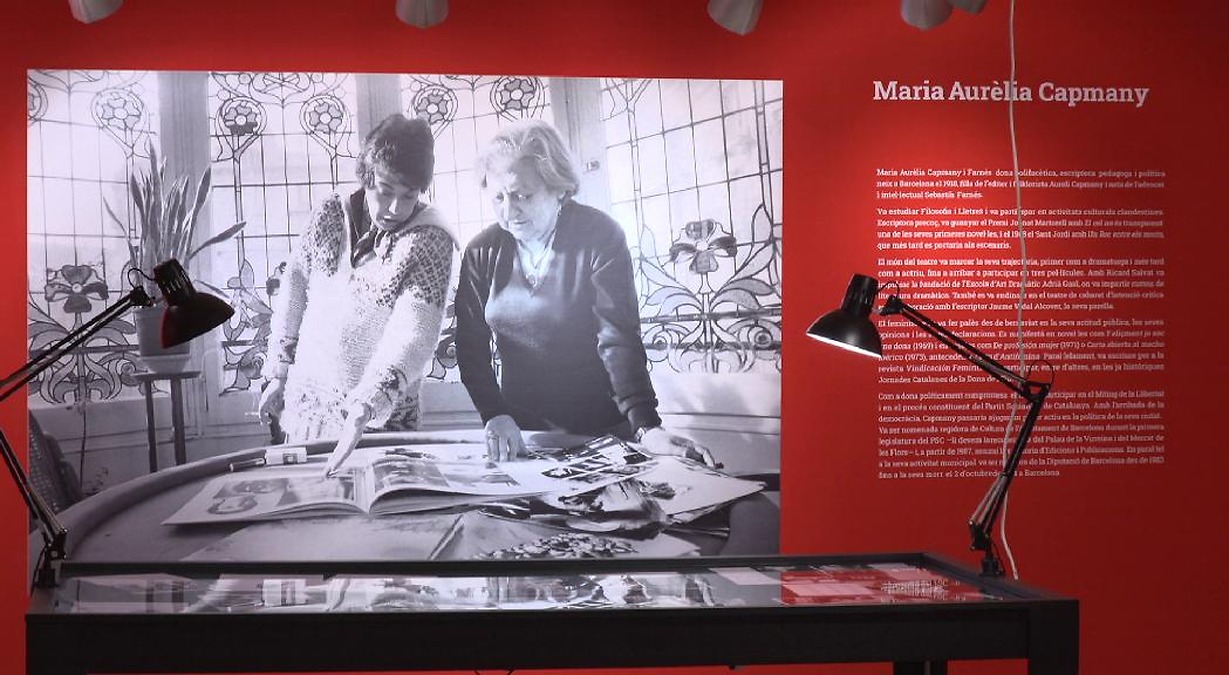
The CAEE has launched an exhibition dedicated to 'Antifémina', a significant work from 1977 featuring texts by Maria Aurèlia Capmany and photographs by Isabel Steva, known artistically as Colita. This piece is regarded as one of the earliest major feminist works in history.
Originally hindered by censorship, 'Antifémina' did not receive the recognition it deserved at the time, eventually evolving into a cult classic. The exhibition invites visitors to reflect on the representation of women and the images that were excluded from established norms.
The exhibition will be on display at the CAEE until 13 February. Francesc Polop, the curator of the show, highlights that 'Antifémina' focuses on women who do not conform to the dominant ideals of femininity—those who age, lose their traditionally desirable beauty, or deviate from the role of the ideal partner. He states, 'What happens when a woman loses the attributes that define her as a female? When she is no longer desirable, when she ages, when she ceases to be the ideal companion? They say she is nothing, she becomes an antifémina.'
The work offers a perspective from woman to woman, free from desire and stereotypes, filled with compassion and understanding. The photographs capture a range of realities: nuns, women preparing for marriage, those who have lost their beauty, sex workers, and labourers. Almost fifty years after its initial publication, 'Antifémina' continues to challenge traditional models of femininity and address the women who have been overlooked by conventional narratives.