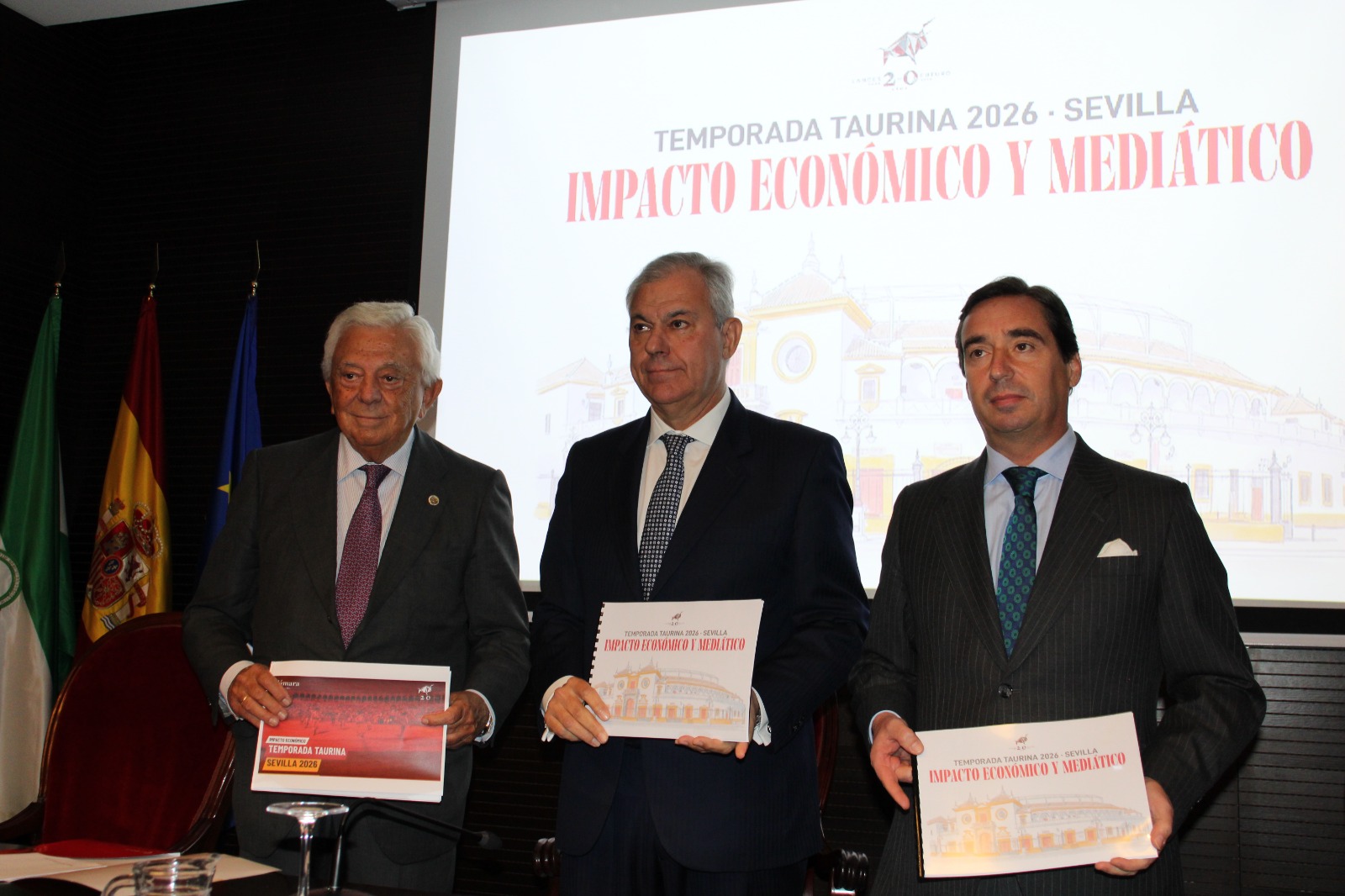
Lances de Futuro has unveiled an economic and media study regarding the 2026 bullfighting season in Sevilla, aiming to assess and highlight the impact of bullfighting on the city and its surroundings. The economic report, compiled by the Sevilla Chamber of Commerce, estimates the total economic impact of the season at 209 million euros. Additionally, a media impact study conducted by Pandora Data Matter reflects the national and international reach of Sevilla's bullfighting activities.
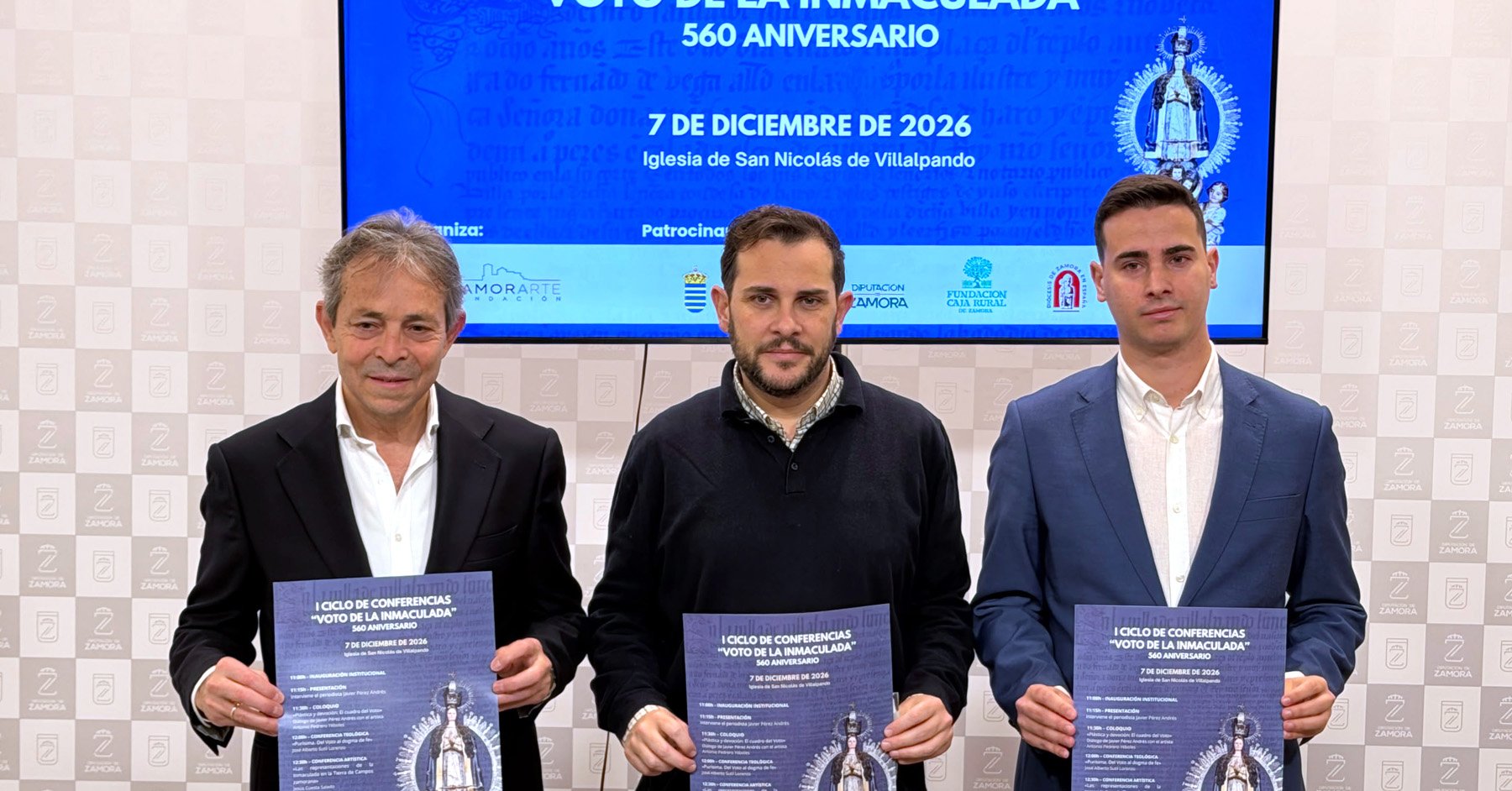
The presentation took place in Sevilla and featured contributions from Francisco Herrero, president of the Sevilla Chamber of Commerce; José María Garzón, businessman from Lances de Futuro; and José Luis Sanz, the mayor of Sevilla. Following Herrero's welcome, Garzón introduced the economic study, with key data presented by a technical expert. Garzón later shared insights from the media impact report, while the mayor concluded the event.
Garzón emphasised that this is the first time a bullfighting company has commissioned such a study from the Real Maestranza, aiming to provide data on the contribution of bullfighting to Sevilla. “At Lances de Futuro, we wanted to commission these reports because we believe that bullfighting should also be defended with data. For the first time, we are putting figures to its impact in Sevilla and demonstrating that the Maestranza is not only part of the city's identity but also a significant tourist and economic engine,” he stated.
According to Garzón, “these reports show that bullfighting contributes much more to Sevilla than is typically acknowledged. We are talking about an economic impact of 209 million euros, benefiting thousands of businesses and enterprises.” He highlighted the cultural, economic, and media dimensions of bullfighting in Sevilla, asserting, “The data is compelling and reflects that bullfighting is the premier private cultural event in the city and an essential part of its identity.”
The reports indicate that “bullfighting in Sevilla generates wealth, attracts tourism, benefits the business fabric, contributes to public coffers, and projects Sevilla to the world,” Garzón noted.
The Sevilla Chamber of Commerce's study reveals that the total economic impact of the 2026 bullfighting season amounts to 209 million euros, comprising 132.1 million euros in direct impact, 38.9 million euros in indirect impact, and 37.9 million euros in induced impact. The season attracted 266,835 attendees across 31 events, achieving an average occupancy rate of 76.7%. There were 14 instances of “No tickets available” and five sell-outs during the bullfights.
The report also examines the origins of attendees and their contribution to the economic impact. Local residents accounted for 169,161 attendees, generating 34.9 million euros; visitors from the rest of Spain totalled 74,407 attendees, contributing 117.6 million euros; while international visitors numbered 23,267, generating 56.7 million euros. Collectively, visitors from outside Sevilla represented 36.6% of attendees and accounted for 83.3% of the economic impact. Garzón believes this data confirms “the Maestranza's ability to attract visitors and stimulate the city's economy.”
By sector, the economic impact is primarily distributed among commerce and leisure activities, with 59.8 million euros; accommodation, with 50 million euros; hospitality, with 29.5 million euros; and real estate activities, with 11.9 million euros. The study also estimates a fiscal return of 28.5 million euros resulting from the economic activity linked to the season.
“We are talking about an activity that generates wealth and economic movement beyond the arena. The data reflects its contribution to tourism, hospitality, commerce, and other sectors in Sevilla,” the businessman asserted.
The study prepared by Pandora Data Matter recorded 12,732 news articles featuring the Real Maestranza, the Sevilla Toros brand, and Lances de Futuro during the 2026 bullfighting season. This coverage reached an advertising value of 70 million euros, a communication value of 177.5 million euros, and a potential audience of 5.6 billion.
Garzón expressed gratitude to local, national, and international media for their coverage, which has helped project Sevilla's bullfighting season worldwide. “The Sevilla Toros brand has demonstrated its immense media value. The impact of this season confirms that Sevilla and the Maestranza, along with Lances de Futuro, hold a prominent place in international bullfighting news,” he remarked.
The Feria de Abril and the Corpus Christi festival accounted for 11,198 news articles, with an advertising value of 61.9 million euros and a communication value of 162.8 million euros. Among the publications covering the season were international media outlets such as The New York Times, The Guardian, The Times, and Le Monde, reaching a potential audience of 5.4 billion.
In contrast, the novilladas picadas and the Feria de San Miguel generated 1,280 articles, with an advertising value of 8.5 million euros, a communication value of 13 million euros, and a potential audience of 298 million.
The study also assesses the impact of the presentation gala for the season's posters, held for the first time in a large format at the Cartuja Center, attended by 2,500 people and broadcast on Canal Sur Más. The gala generated 254 news articles across various platforms, with an advertising value of 570,000 euros, a communication value of 1.79 million euros, and a global potential audience exceeding 77 million.
Garzón indicated that these reports aim to serve as tools for better understanding the impact of bullfighting activities and guiding future decisions. “We want this initiative to continue. Measuring each season will allow us to analyse its evolution, improve communication, and further strengthen Sevilla's position as a leading bullfighting capital,” he stated.
Mayor José Luis Sanz concluded the event, highlighting the importance of studies that measure and disseminate the contributions of the bullfighting season to the city.