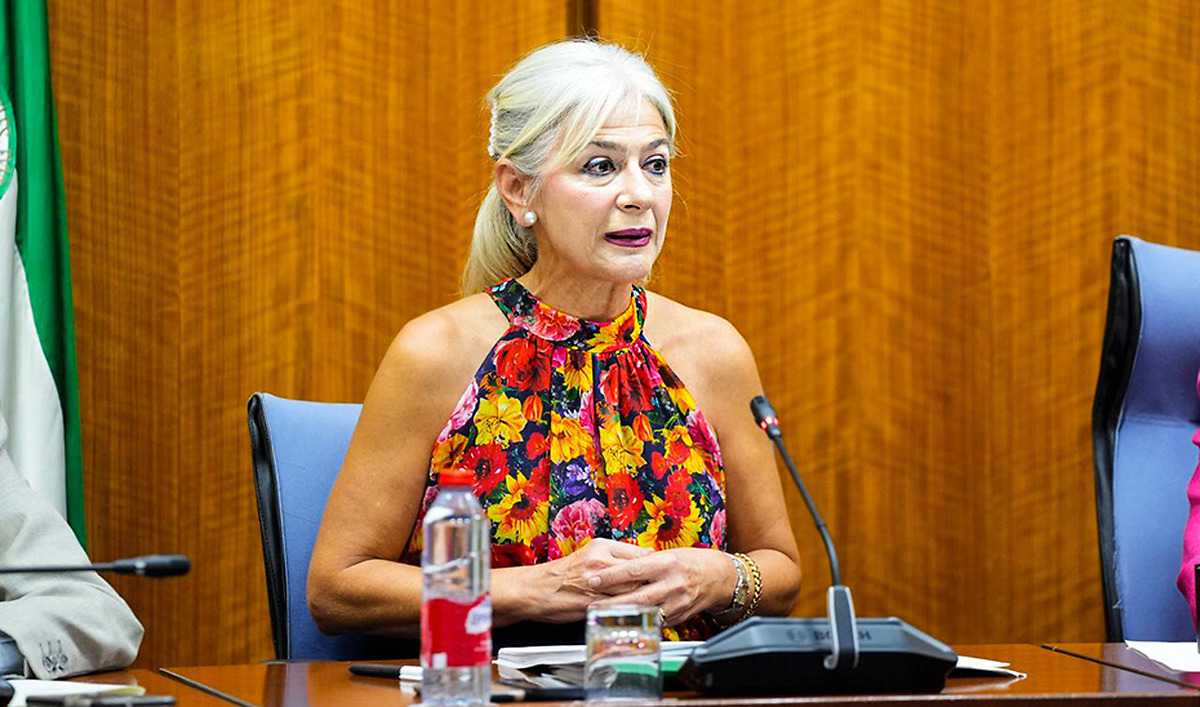
On October 8, 2026, Patricia del Pozo, the Andalusian Minister of Culture, Historical Heritage, and Sports, addressed a parliamentary commission regarding the European Heritage Days. This cultural initiative, supported by the Council of Europe and involving the Andalusian Ministry of Culture, has sparked interest among more than 72,000 residents in the region about the cultural richness of Andalusia. The event aims to showcase the diversity and value of this heritage as a collective memory, ensuring it remains a shared legacy for future generations.
Del Pozo emphasized during the Culture, Historical Heritage, and Sports Commission of the Andalusian Parliament that the European Heritage Days reflect "the desire to disseminate the legacy of the various civilizations and cultures that have settled in our land and shaped an identity we are deeply proud of." She highlighted the necessity and importance of participating in this cultural event, which is currently taking place during October and November 2026, aiming to promote Andalusian heritage so that citizens can appreciate its significance and understand the need to protect, conserve, and transmit it.
The Minister noted that the initiative has successfully engaged 72,088 Andalusians through 1,038 free activities organized in recent editions across more than 320 municipalities in all eight provinces. These educational events were also adapted to an online format during the COVID-19 pandemic, allowing safe participation.
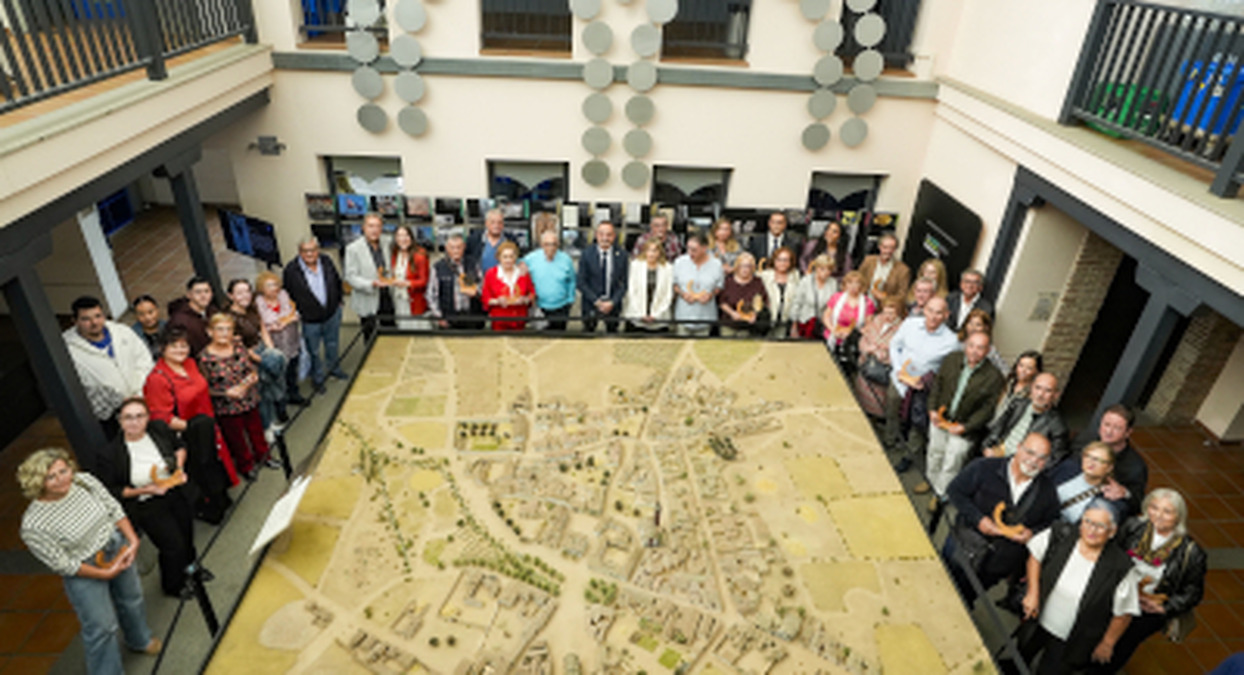
Del Pozo pointed out that the European Heritage Days are inclusive, welcoming families, children, and participants of all ages to enjoy the cultural offerings of each activity. Since 2019, the initiative has reached over 320 municipalities, not limited to the eight provincial capitals, thanks to effective coordination with local governments and participating entities.
2026 Edition Highlights
Focusing on the ongoing 2026 edition, Del Pozo mentioned that it features over 150 educational activities across 170 municipalities. These events take place in various venues, including museums, provincial archives, archaeological sites, the Andalusian Institute of Historical Heritage, and UNESCO World Heritage sites such as the Alhambra in Granada and the Antequera Dolmens Site. Unique locations like the Caminito del Rey are also included.
Activities range from guided tours of heritage sites, workshops for adults and children, lectures on sacred art and flamenco, to exhibitions, thematic routes, and theatrical visits. Notably, there are ongoing restoration projects at sites like the Twin Towers of Écija and the Oil Mill and Granary of the San Isidoro del Campo Monastery in Santiponce, led by the Ministry of Culture, Historical Heritage, and Sports.
This year's theme, 'Heritage at Risk: Revive, Resist, Reimagine,' includes specific actions in nearly all provinces to commemorate October 9 as European Rock Art Day. Del Pozo underscored the importance of intergenerational knowledge transfer, the resilience of oral traditions, and the need to highlight historical narratives that have traditionally been marginalized in the construction of a common culture.
"Andalusia has an immense historical heritage. Preserving and disseminating this legacy should be a priority for any government. We believe that our culture is one of our most valuable assets, a hallmark of identity, and a driving force for development and progress in all respects," concluded Del Pozo.