The 'precine' exhibition, organised by the Red Itiner of the Community of Madrid, will be held in the Maruja Mallo hall of the Federico García Lorca cultural centre from 17 November to 10 December, open Monday to Friday. This exhibition aims to explore how human curiosity about moving images led to the invention of cinema, tracing the advancements that laid the groundwork for cinematography.
The term 'precine' refers to the collection of practices, technologies, inventions, and devices that evolved to establish the foundations for modern cinema. The history of precinema spans from pioneering optical experiments to the first projection of the Lumière brothers' cinematograph in 1895.
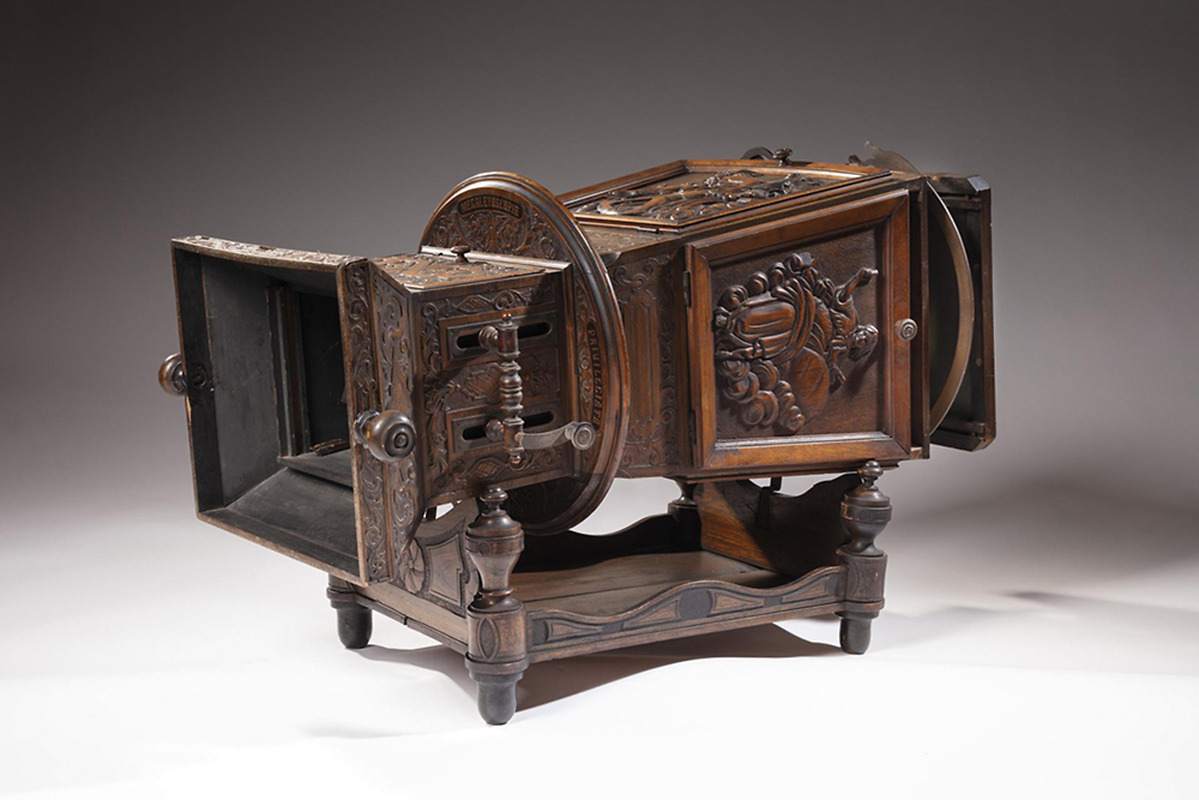
Highlighted advancements include the camera obscura, used by artists as a drawing tool, shadow theatres, optical games based on animated images, magic lanterns that projected painted images on glass plates using a light source and lens system, polioramas, photography, and other significant optical instruments. Precine is not only a historical antecedent but is also crucial for understanding current technologies and their lasting influence on contemporary visual culture.
“Cinema was the result of several centuries of scientific discoveries and technological advancements in various fields, including optics, photography, and animation,” explains the Red Itiner.
Bárbara Mur Borrás is the curator of this exhibition, which invites visitors from Rivas-Vaciamadrid to embark on a journey through time to discover period instruments, such as a praxinoscope by Émile Reynaud (France, 1889) and a magic lantern by Lapierre (France, 1860).