
The university experience encompasses more than just attending classes and passing exams; it is also a period of significant change and challenges that can impact students' emotional well-being. Recognising this reality, the universities of Vigo, A Coruña, and Santiago de Compostela, along with the Galician Health Service (Sergas), are strengthening their collaboration to offer more coordinated psychological support tailored to students' needs.
The four institutions formalised this partnership on Tuesday at the Consellería de Sanidad in Santiago de Compostela. The agreement aims to advance the implementation and evaluation of a common psychological support protocol, which was developed jointly last year. This collaboration seeks to establish a coordinated model for addressing student mental health, ensuring common criteria for action, equity, and coordination between university services and the public health system.
The protocol outlines procedures for initial assessment of needs, psychological interventions, referrals to other support resources, preventive activities, and training for university staff, as well as mechanisms for monitoring and evaluation.
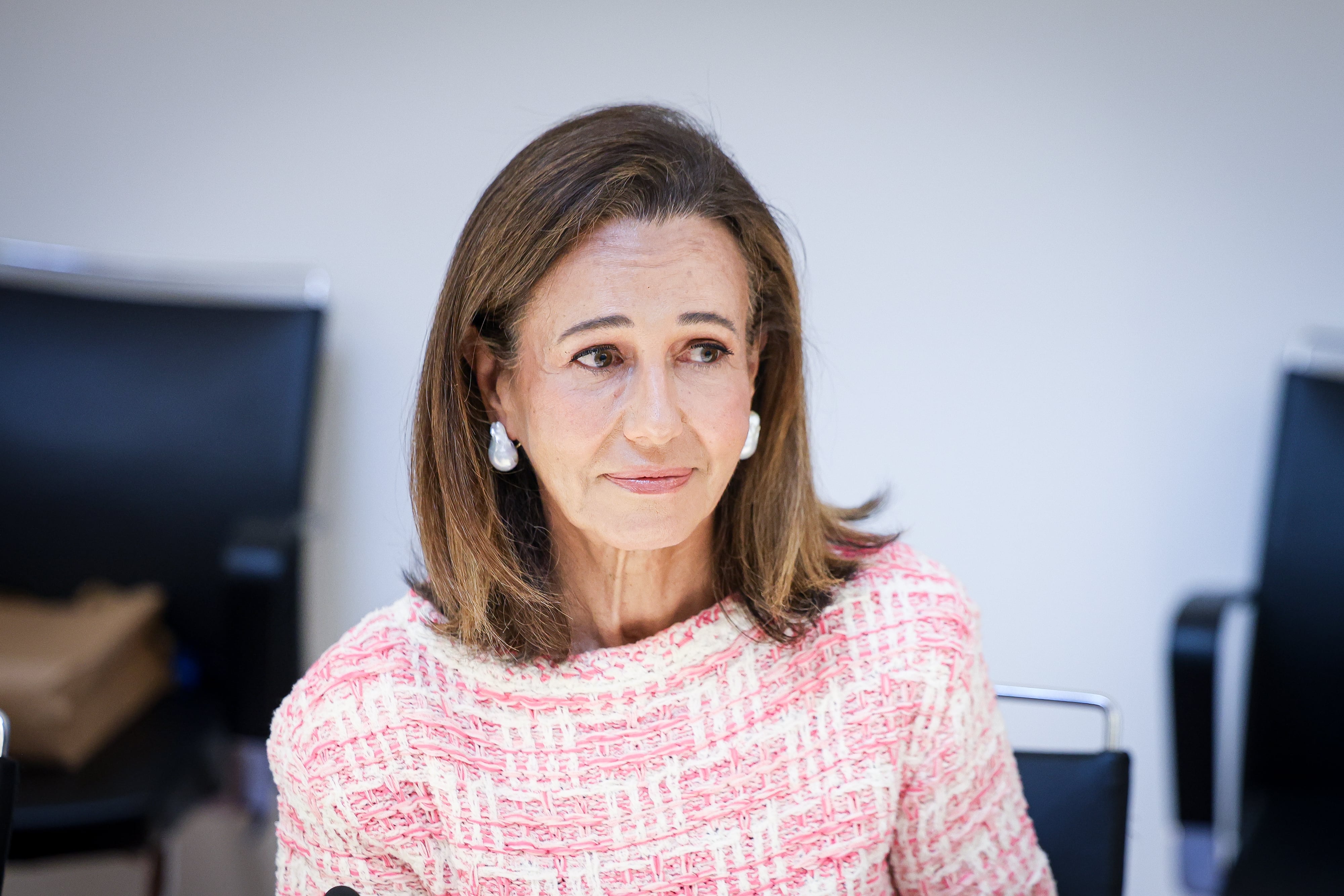
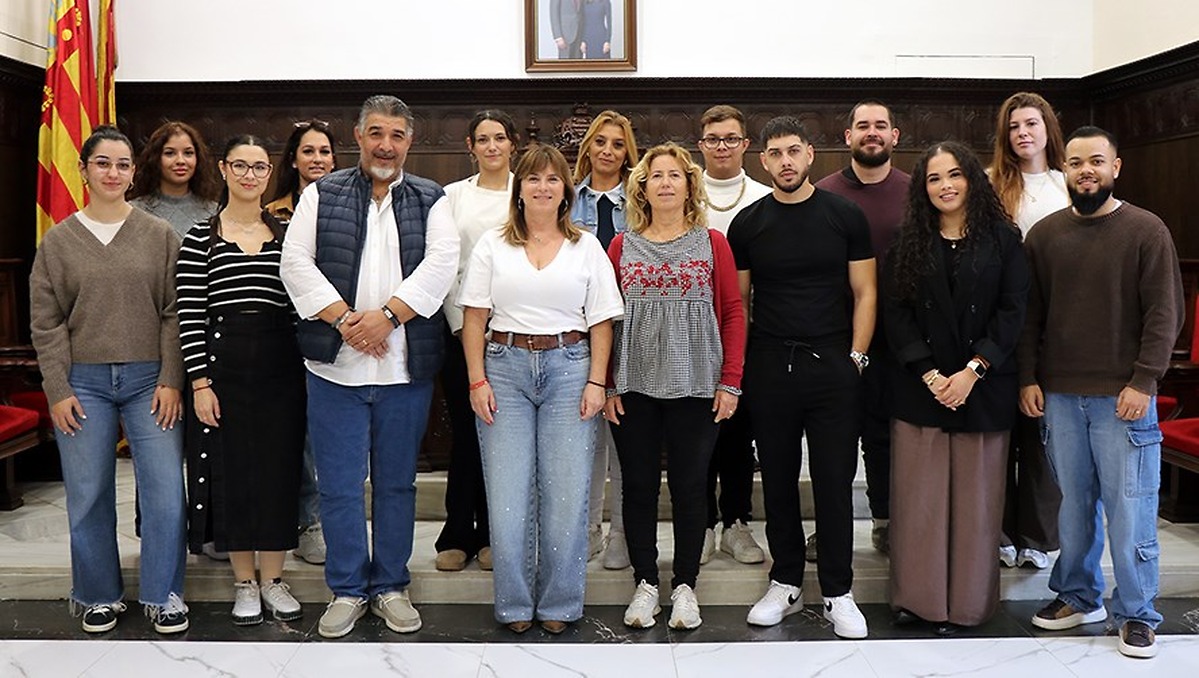
The agreement was signed by the Minister of Health, Antonio Gómez Caamaño, and the three rectors: Carmen García Mateo from the University of Vigo, Ricardo Cao from the University of A Coruña, and Rosa Crujeiras from the University of Santiago de Compostela. They were joined by Alfredo Silva, the Director General of Integration and Assistive Innovation at Sergas; Almudena Díaz, the Deputy Director General for Mental Health Care; Dolores González, the Vice-Rector for Students and University Life at UVigo; and Ana Isabel Ares, the Vice-Rector for the Ferrol campus, Equality, and Social Responsibility at UDC.
Carmen García Mateo expressed strong support for the agreement, highlighting the importance of cooperation between educational and health administrations to ensure that “the university experience is a fulfilling one.” She noted that universities have a responsibility to address the emotional well-being of their students and emphasised that this collaboration enables the development of psychological support programmes, while acknowledging that “there is always room for improvement.”
García Mateo also pointed out that the three universities have been working together in this area for years, and the signing of this agreement brings visibility to an increasingly important issue for the university community. The rectors noted a growing demand for these services among undergraduate students, who are becoming more aware of the available resources, as well as among postgraduate and doctoral students.
Ricardo Cao, rector of UDC, underscored that the agreement reinforces the shared commitment between Galician universities and Sergas in addressing one of the major challenges of our time. He emphasised the responsibility of academic institutions to create safe environments that extend beyond knowledge transmission to also address mental health. Cao highlighted the importance of disseminating these protocols so that the entire university community is aware of available resources and can help identify potential alert situations.
Minister Gómez Caamaño expressed gratitude for the collaborative spirit and the sensitivity shown by the three Galician universities towards student mental health. He noted that while the university experience can be “wonderful,” it is also marked by significant academic and personal changes that may lead to emotional vulnerability, anxiety, or other difficulties. The goal of the agreement, he explained, is to provide support, care, and attention to all Galician university students based on criteria of homogeneity, equity, and, fundamentally, coordination.
This collaboration is also aligned with the new Statute of the University Student, which recognises students' right to free and accessible psychological and mental health care at universities, in coordination with public health services. The regulations further stipulate that universities must have specific protocols for action, prevention, and intervention in cases of suicidal behaviour. In this regard, the Xunta and the three public Galician universities will continue to work on developing a common procedure specifically aimed at prevention and intervention in these situations.