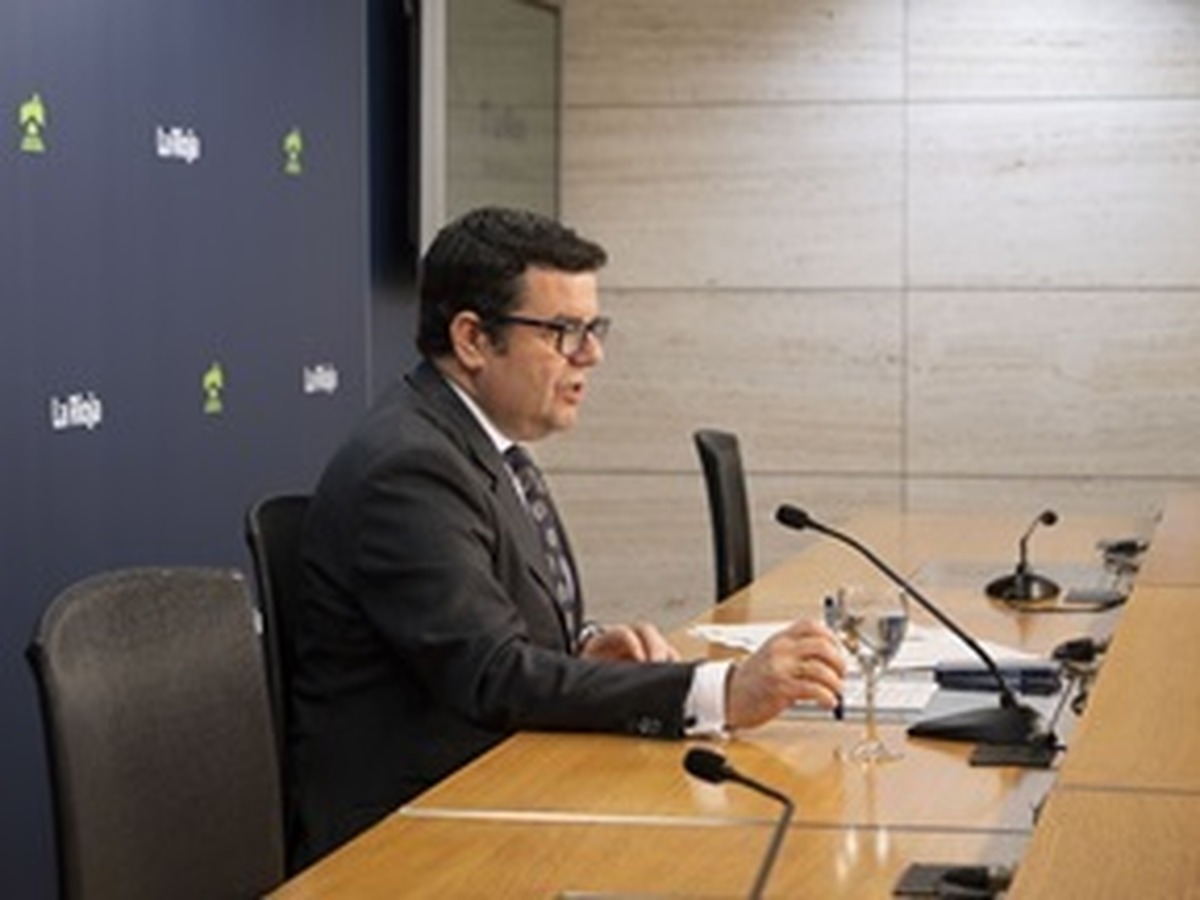
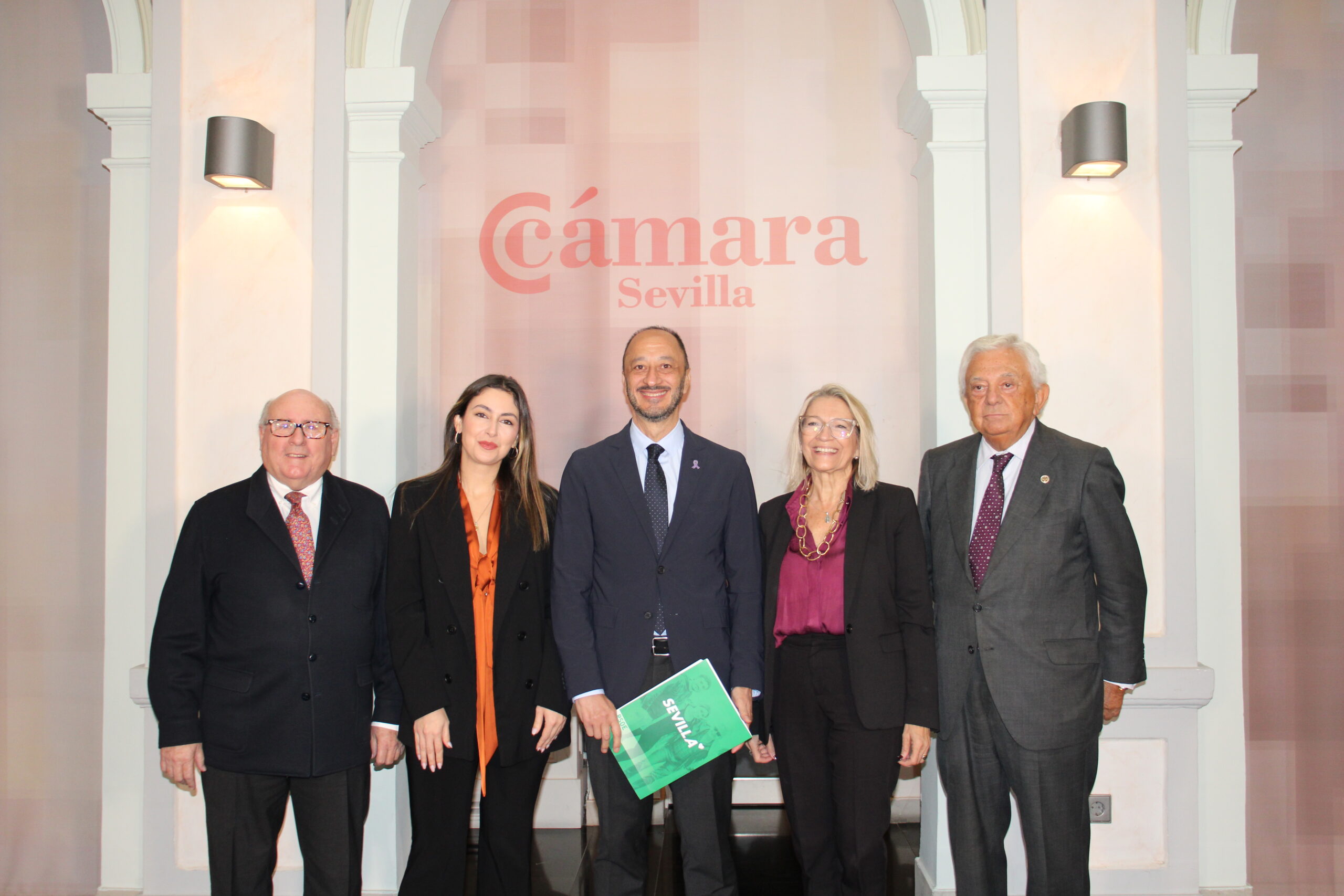
Alfonso Rodríguez Gómez de Celis, a prominent figure in the Spanish Socialist Workers' Party, addressed key representatives of the business and economic sectors at the Sevilla Chamber of Commerce. His remarks focused on the current economic challenges facing Spain, followed by a discussion with journalist Maria Sanchez.
During the event, Gómez de Celis highlighted the crucial role of public-private collaboration and social dialogue as fundamental drivers for development. He stated, "The Sevilla Chamber of Commerce plays a very important role," and asserted that "without entrepreneurs, there is no employment."
He analysed the impact of successive international crises on the Spanish economy, including the health pandemic and energy tensions arising from conflicts in Ukraine and Iran. Despite these significant challenges, he noted that "the responses we provide depend on the political decisions we make internally," emphasising the protection of employment and the productive fabric through mechanisms such as Temporary Employment Regulation Files (ERTE), social shields, and direct aid.
Gómez de Celis pointed to recent macroeconomic results, indicating that Spain has recorded growth rates exceeding the eurozone average in recent years, with over 22.8 million people employed in the third quarter of 2026, reflecting notable international confidence. However, he cautioned against complacency, acknowledging ongoing issues such as youth unemployment, productivity, and access to housing.
In terms of fiscal policy and support for self-employed individuals, he detailed recent measures approved by the Council of Ministers aimed at easing tax and administrative burdens, including a package specifically for freelancers. This package includes €465 million in tax savings and liquidity measures allowing for the deferral of up to €1.8 billion in payments.
Additionally, he noted that the deduction for difficult-to-justify expenses in personal income tax (IRPF) would increase from 5% to 10%, raising the limit from €2,000 to €3,000, and that the reduction of net income for those taxed under modules would also rise from 5% to 10%.
Gómez de Celis highlighted a new optional special VAT regime for small businesses and professionals with annual revenues below €85,000, allowing for annual self-assessment instead of quarterly filings, alongside simplifications for fractional payments of IRPF, extensions of modules, and the need to promote generational change and female entrepreneurship.
Addressing structural challenges, he placed particular emphasis on the housing crisis, describing it as not only a fundamental constitutional and social right but also a "key factor for business competitiveness," as the lack of affordable housing hinders workers from settling near their workplaces. He called for the involvement of all administrations, including the State, the Junta de Andalucía, and local councils, to mobilise land, encourage public-private collaboration, and expand the affordable housing stock.
He also critiqued Andalucía for not utilising the tool for declaring stressed areas as outlined in national law, underscoring the importance of initiatives such as the 2026-2030 State Housing Plan, the creation of a public housing stock of 100,000 units, and the TU CASA programme offering interest-free loans for young people's initial savings.
Furthermore, Gómez de Celis reviewed strategic investments for Sevilla, including funding for the northern section of metro line 3, enhancements to road and rail infrastructure, and the strengthening of key sectors such as aerospace and renewable energy.
In conclusion, Gómez de Celis appealed to the strength of Sevilla's society and business community, reaffirming his commitment to an economy that combines "business competitiveness with improved living conditions and social cohesion."