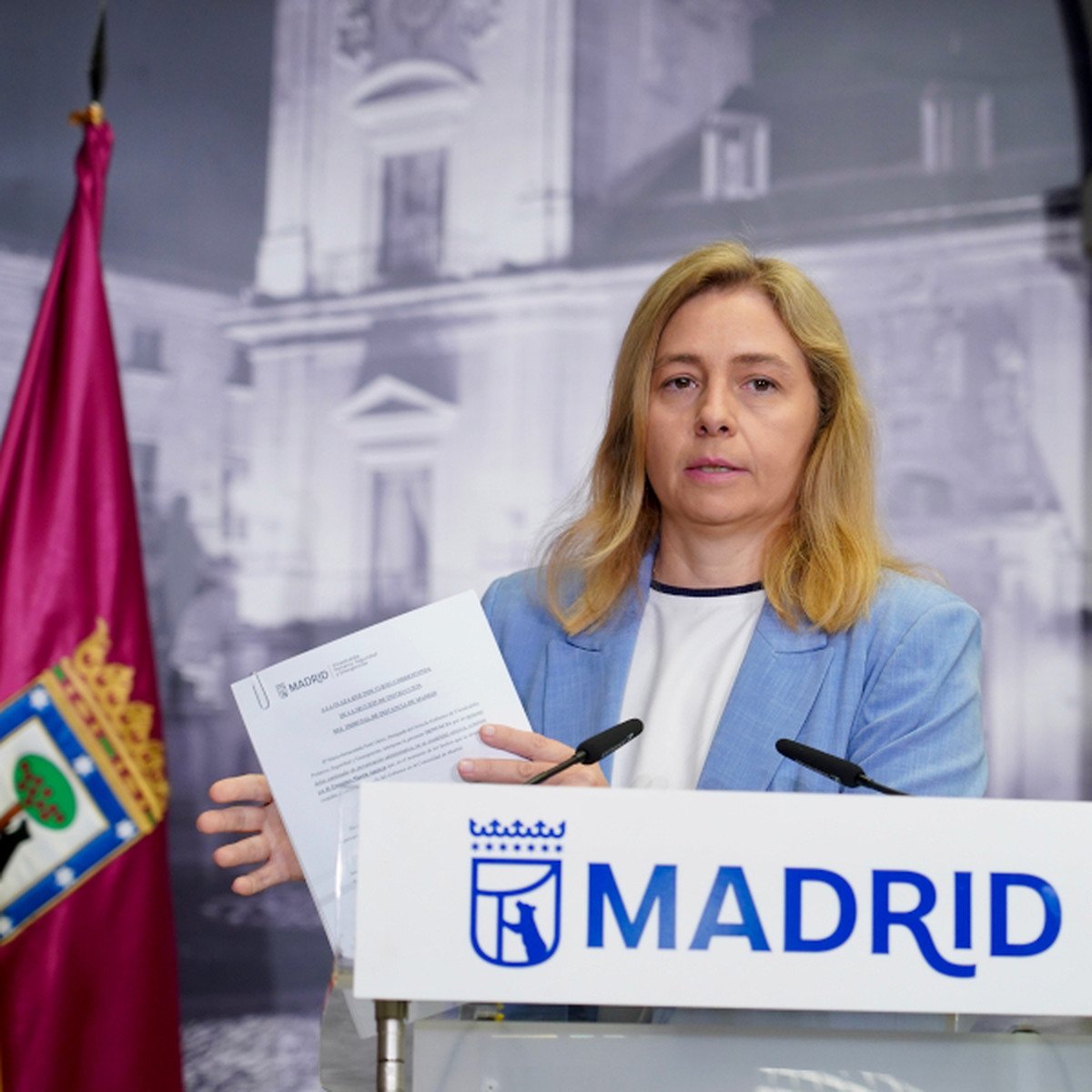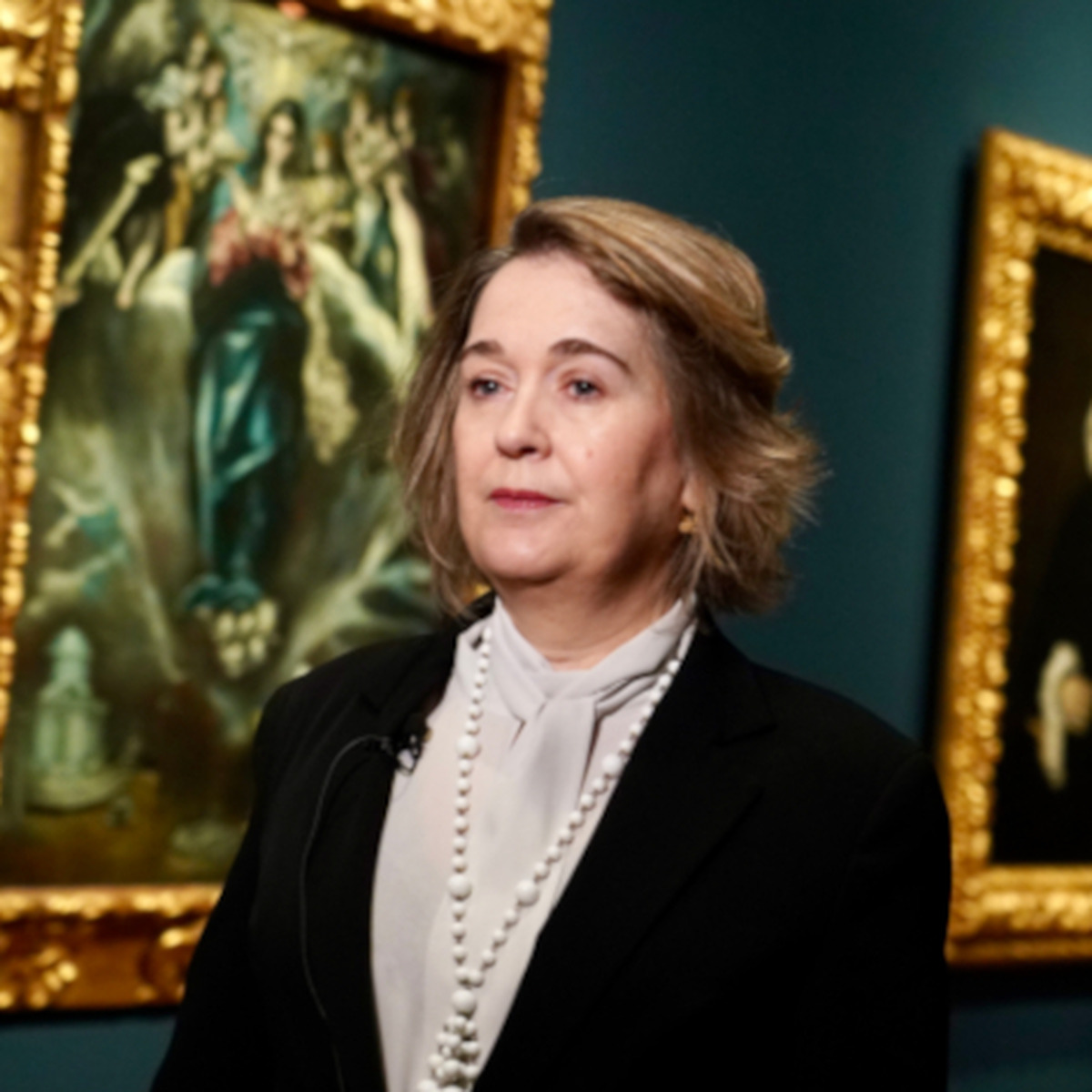
The Madrid city council is collaborating with the Museo Nacional del Prado on the exhibition ‘Rainer Maria Rilke y el arte español’, which was presented today by Marta Rivera de la Cruz, the delegate for Culture, Tourism and Sport. This exhibition explores the connection between the Austrian writer and Spanish painting, highlighting how it influenced his sensibilities and literary output.
This initiative coincides with the centenary of Rilke's death in 1926, and aims to promote the dissemination of artistic and cultural heritage while fostering initiatives that bring culture closer to the public.
The exhibition offers a journey through Rilke's perspective on Spanish art, showcasing his early encounters with artists such as Diego Velázquez and Bartolomé Esteban Murillo, as well as his fascination with El Greco and ongoing interest in Francisco de Goya. It also examines his relationship with painter Ignacio Zuloaga, with whom he maintained close contact between 1902 and 1906.
One of the focal points of the exhibition is Rilke's journey through Spain from November 1912 to February 1913. During this period, he visited various cities, including Toledo, Ronda, and Madrid. In the capital, Rilke experienced the Museo del Prado and the Royal Armoury, encounters that reignited his enthusiasm for El Greco and deepened his interest in Goya and Velázquez.
The exhibition allows visitors to explore the impact of these experiences on Rilke's thought and writing, illustrating how Spanish art became a reference point in his creative universe. It highlights Rilke's interest in the visual arts and his ability to draw connections between artistic experience and literary creation. Through his writings, correspondence, and relationships with various artists, the exhibition reveals a lesser-known dimension of one of the great figures of 20th-century European literature.