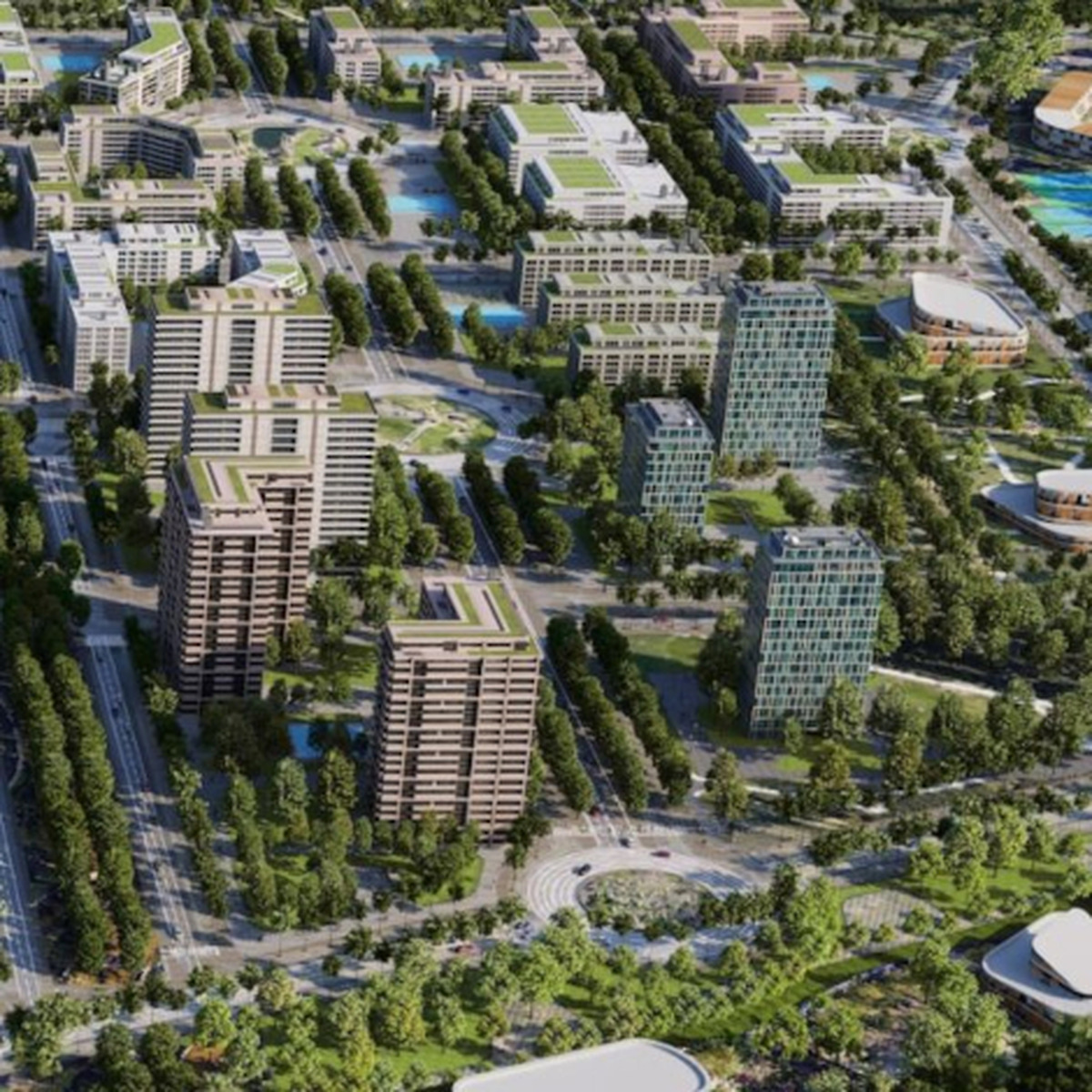
On October 8, 2026, the City Council of Madrid adopted a planning instrument under the regulation of Law 3/2024 and its subsequent amendment by Law 2/2026, aimed at increasing rental protected housing by 14,000 units. The new regulations will allow for a 20% increase in building capacity and a 30% increase in density for collective protected housing without altering existing planning, potentially generating an additional 4,400 residences.
The regional legislation sets a two-year timeframe for these developments. The City Council also granted final approval to a special plan that permits various types of accommodation on industrial land, where previously only hotel construction was allowed. This plan will affect over 240 plots located in eight districts: Arganzuela, Chamartín, Fuencarral-El Pardo, Usera, Ciudad Lineal, Hortaleza, San Blas-Canillejas, and Barajas.
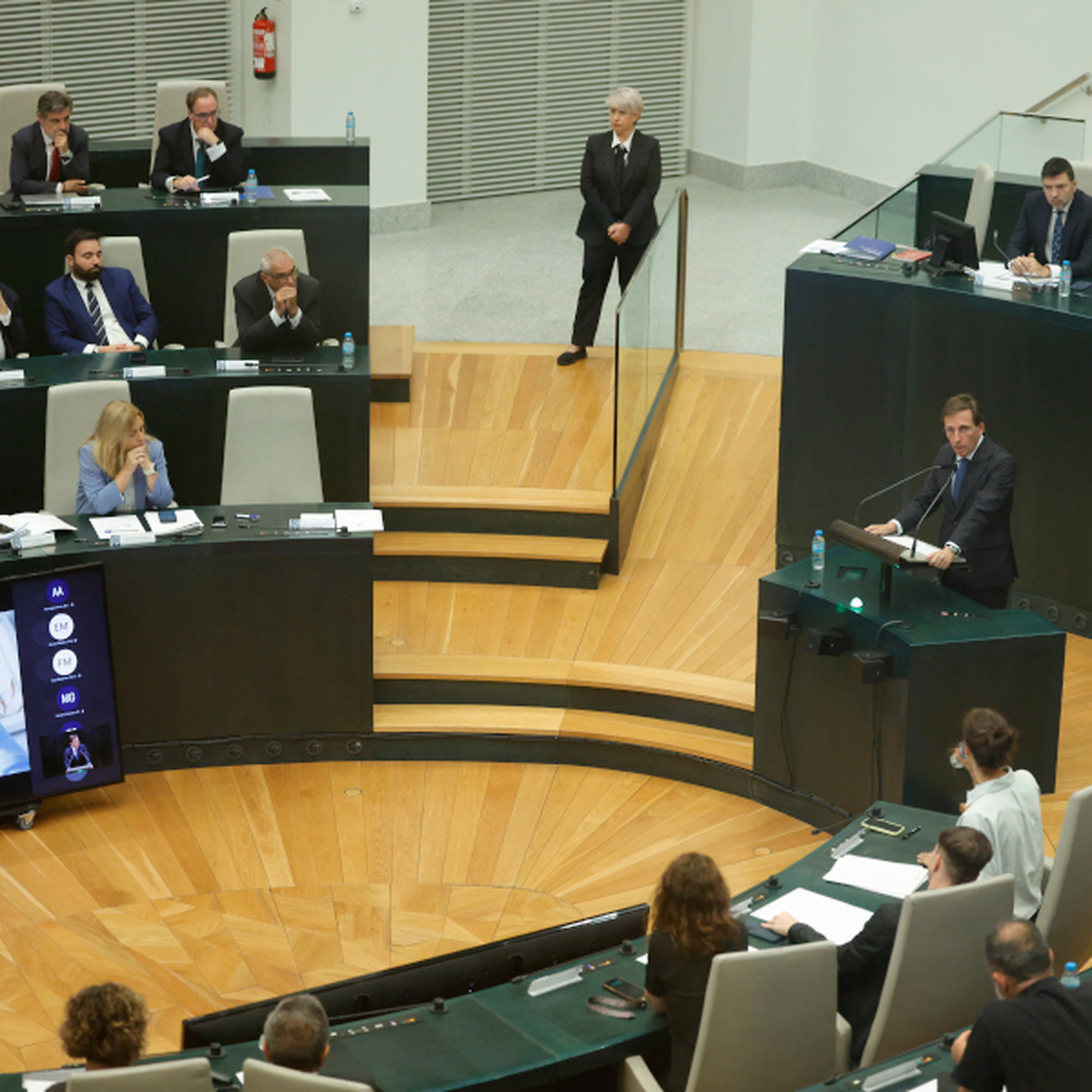
On Thursday, the City Council held an extraordinary plenary session to approve the two urban planning special plans. These plans aim to increase the supply of protected rental housing in the city by over 18,400 new homes beyond what was previously planned until 2028, and to facilitate the establishment of alternative accommodation types, such as serviced apartments, in industrial areas.
The Urbanism, Environment, and Mobility Department, led by Borja Carabante, presented the planning instrument to integrate the municipal Urban Planning Regulations with Law 3/2024, enacted on June 28, which promotes public initiative protected housing, along with the amendments made by Law 2/2026.
“These two plans are linked to addressing the main problem facing Spaniards, which is housing,” Carabante stated during his address.
Carabante emphasized that the City Council has made significant efforts to increase housing supply by unlocking new developments that were previously stalled and implementing more planning instruments to free up land for housing.
As part of additional measures to promote housing construction, the City Council approved, two years ago, the application of Law 2024 within the municipal territory, which initially relaxed the establishment of rental protected housing for 15 years on land designated for offices. As a result, 5,806 homes have been processed in 21 months.
The municipal regulations, as established in Law 2/2026, include incentives to increase building capacity by up to 20% and density by 30% on land designated for protected housing without altering the planning, but the municipal special plan clarifies that this can only be applied to collective housing, not single-family homes.
The Urbanism, Environment, and Mobility Department has also advanced another special plan to allow any type of accommodation, including serviced apartments, guesthouses, or inns, in industrial areas where such uses were previously prohibited. This initiative aims to increase the supply of short- and medium-stay accommodation in these areas of the capital, especially considering the restrictions in the city center and the decentralization of accommodation use promoted by the RESIDE Plan, approved last year.
Following an extensive study of over 3,000 plots in industrial areas or classified for industrial use, it was concluded that areas regulated by the third degree of Zonal Regulation 9 and plots classified for industrial use included in non-industrial global use areas could accommodate all categories of accommodation use.