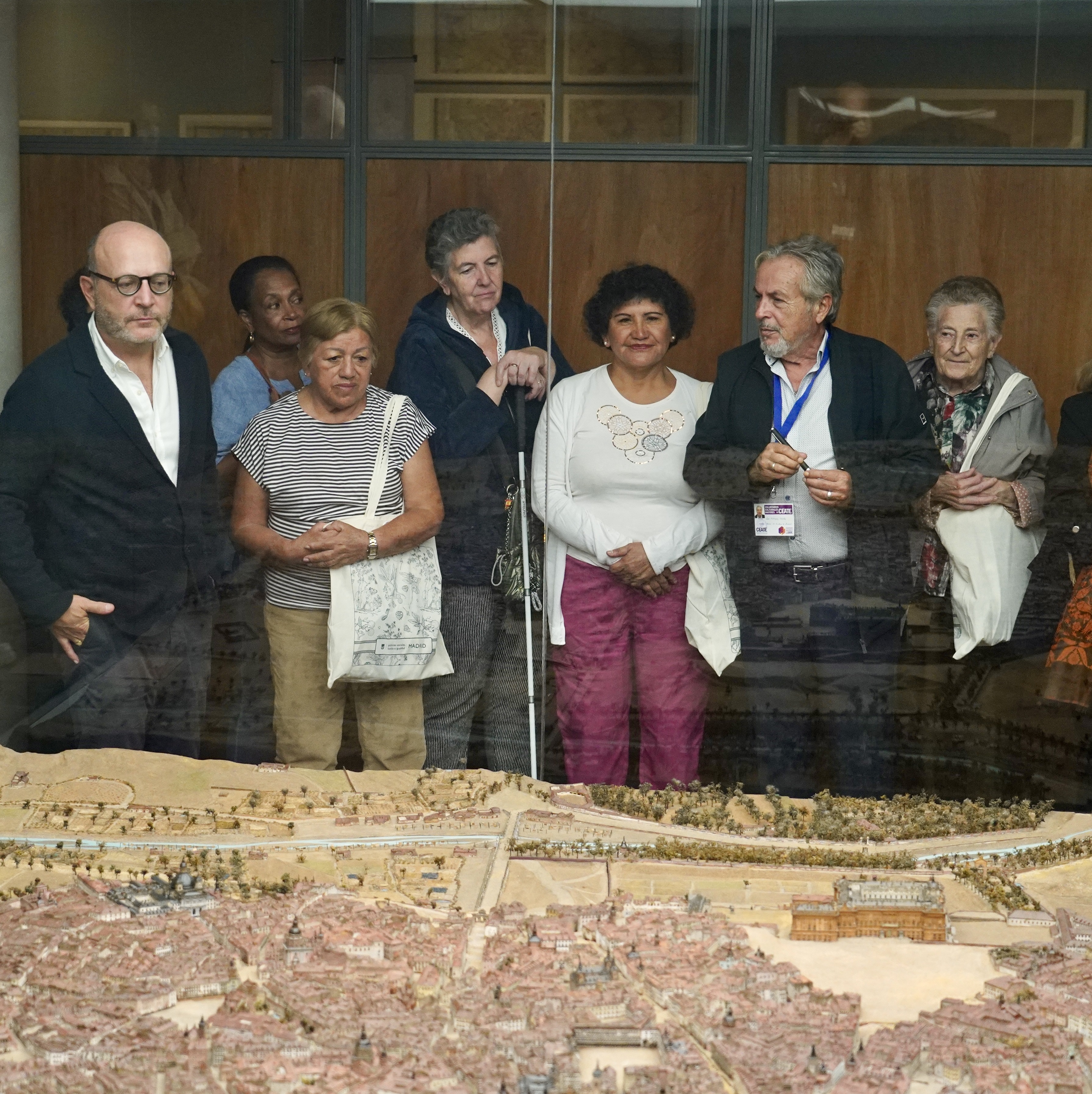
On October 6, 2026, the municipal educational program ‘Madrid, un libro abierto’ aims to connect students with the historical and cultural heritage of the Spanish capital. This initiative provides students from various educational levels with the opportunity to learn history outside the classroom by utilizing original works and objects on display as sources of knowledge.
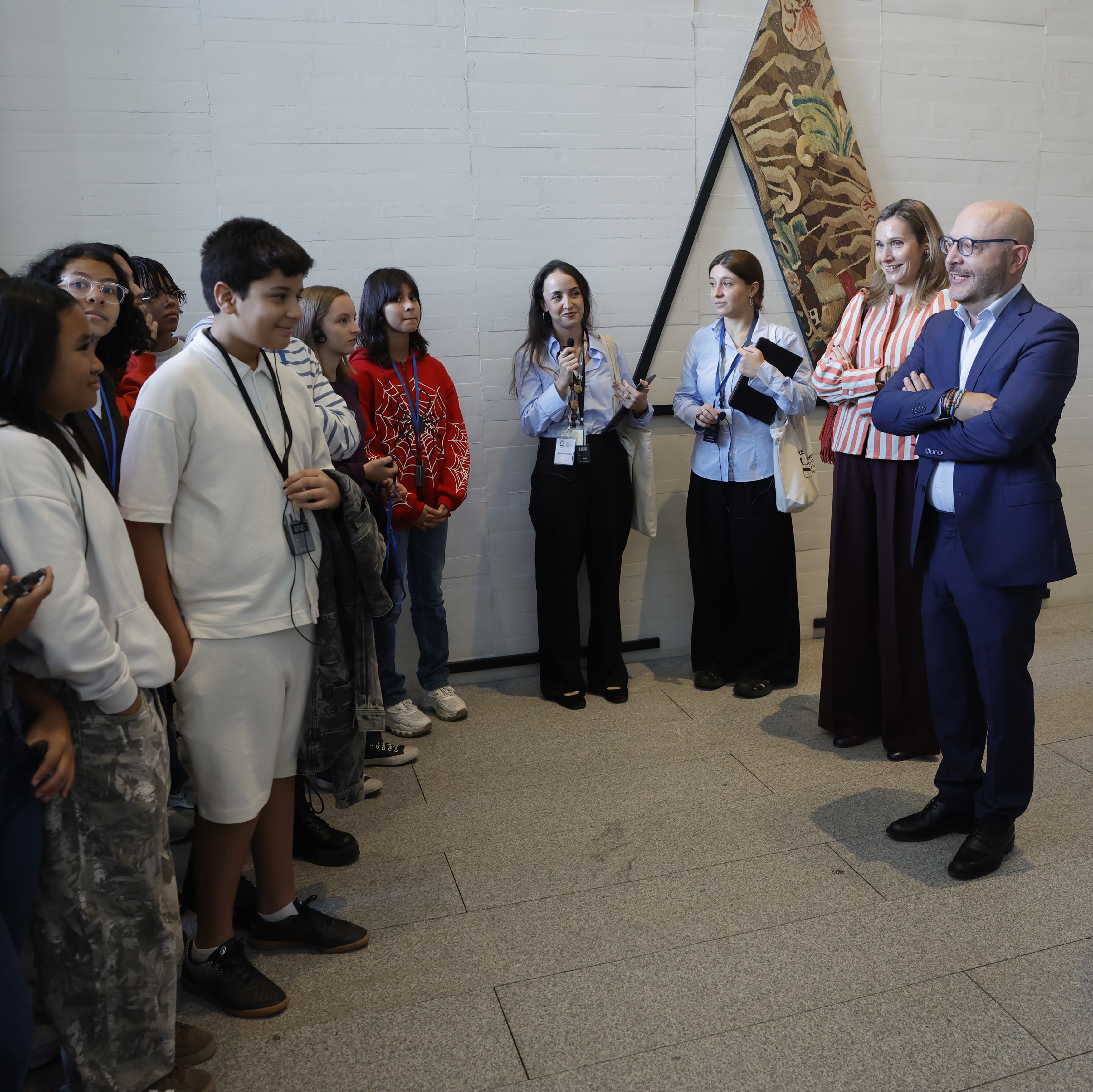
During a guided visit, José Fernández, the Delegate for Social Policies, Family and Equality, engaged with a group of 2nd-year ESO students from IES Gregorio Marañón at the Royal Collections Gallery. This program is designed to enhance the educational experience by introducing students to Madrid’s rich heritage and infrastructure.
In the 2025-2026 academic year, over 4,300 students explored Spain's history through museum visits, benefiting from a significant learning experience. The program targets students in 5th and 6th grades of Primary Education, 2nd and 3rd years of ESO, and 1st and 2nd years of Bachillerato from schools across the city.
The guided tours are structured around two distinct itineraries: one focusing on the reign of the Habsburgs and the other on the Bourbon period. Through a participatory methodology, students are encouraged to observe, ask questions, and interpret the artworks during their visit. This initiative also raises awareness about the importance of conserving and protecting historical and artistic heritage as a shared legacy.
‘Madrid, un libro abierto’ reaches its 42nd edition
This educational program, which has been running for 42 years, aims to support the education of Madrid's students through complementary activities that connect the realities of the city with the school curriculum. Over the years, it has introduced children and young people to the cultural, natural, and patrimonial resources of the capital, facilitating access to experiences that might otherwise be difficult to obtain.
In the 2025-2026 academic year, more than 243,000 students participated in the program. The initiative, promoted by the Area of Social Policies, Family and Equality, offers a wide range of proposals for Primary Education, ESO, Bachillerato, vocational training cycles, and special education centers in the city. The municipality finances artistic activities, outdoor education, environmental education, sports, health, historical tours, city routes, and admission to major museums, among other offerings.