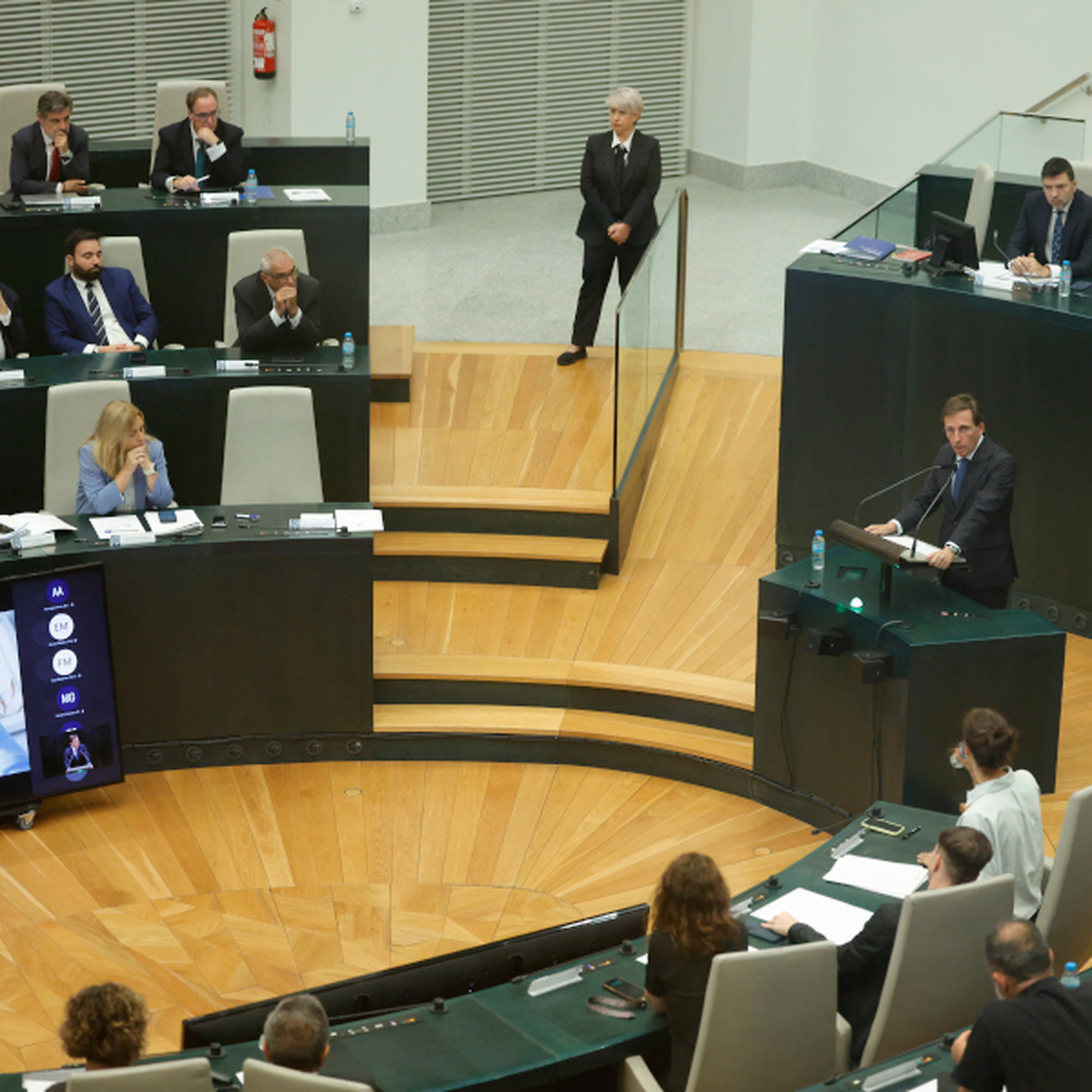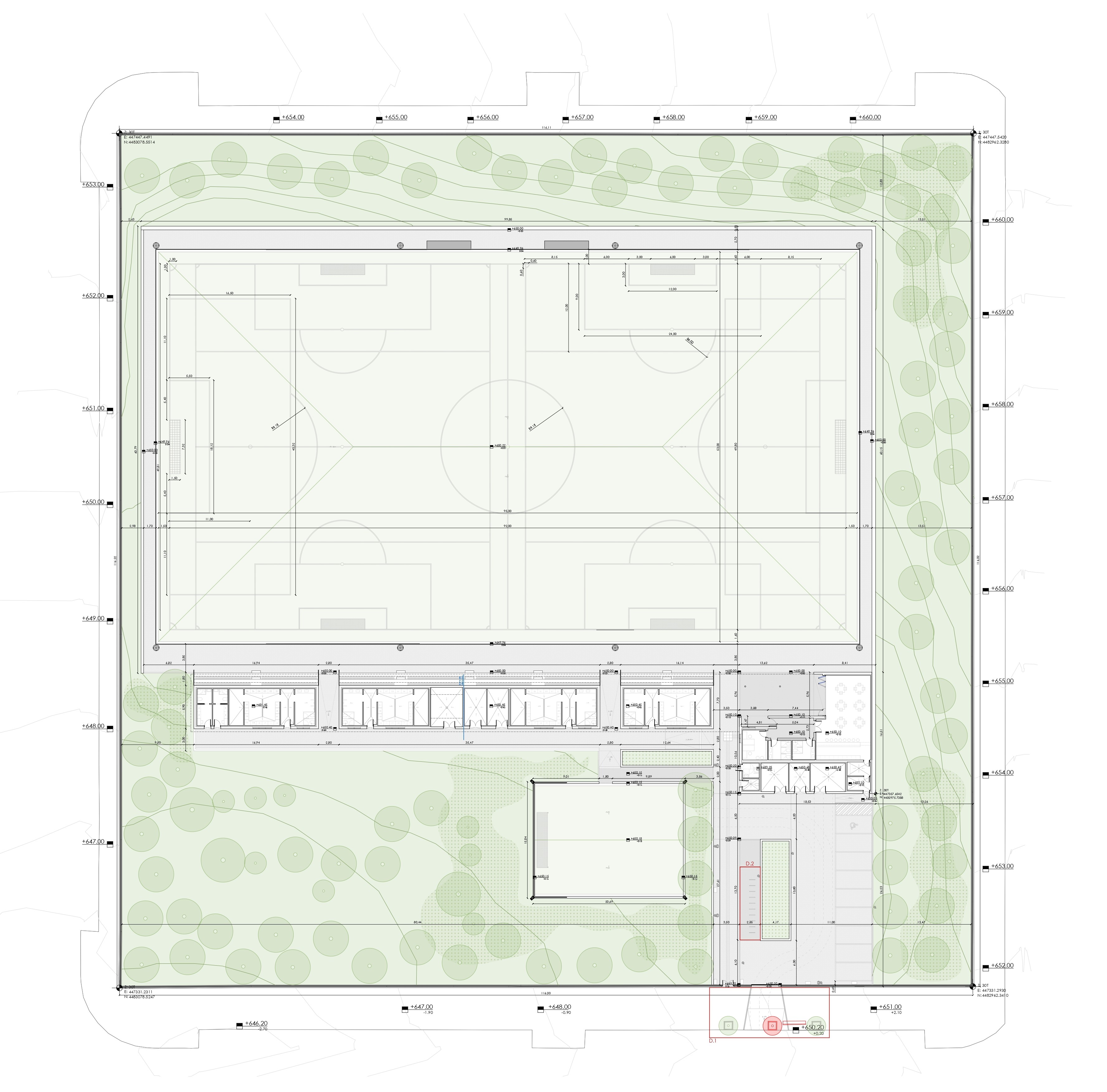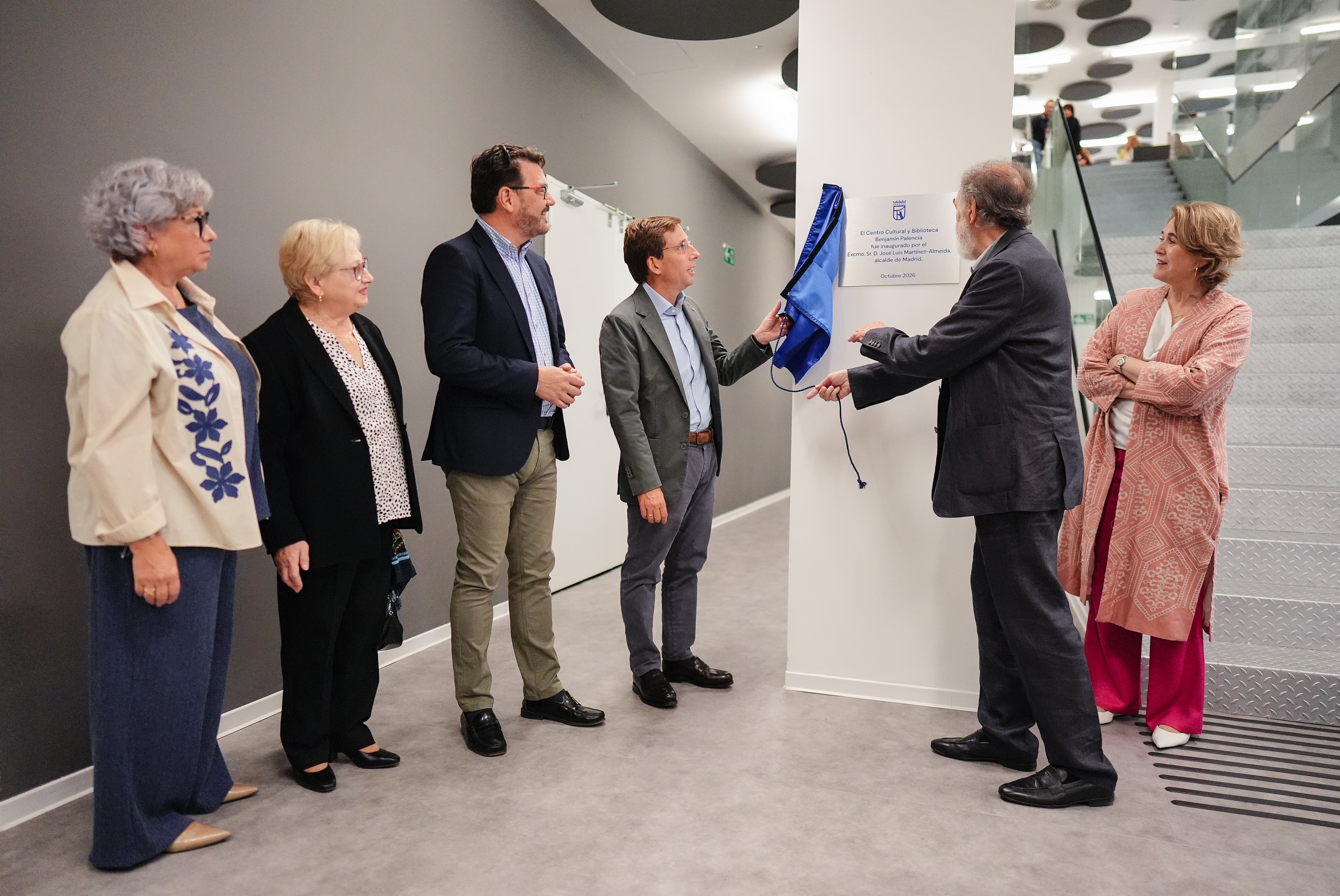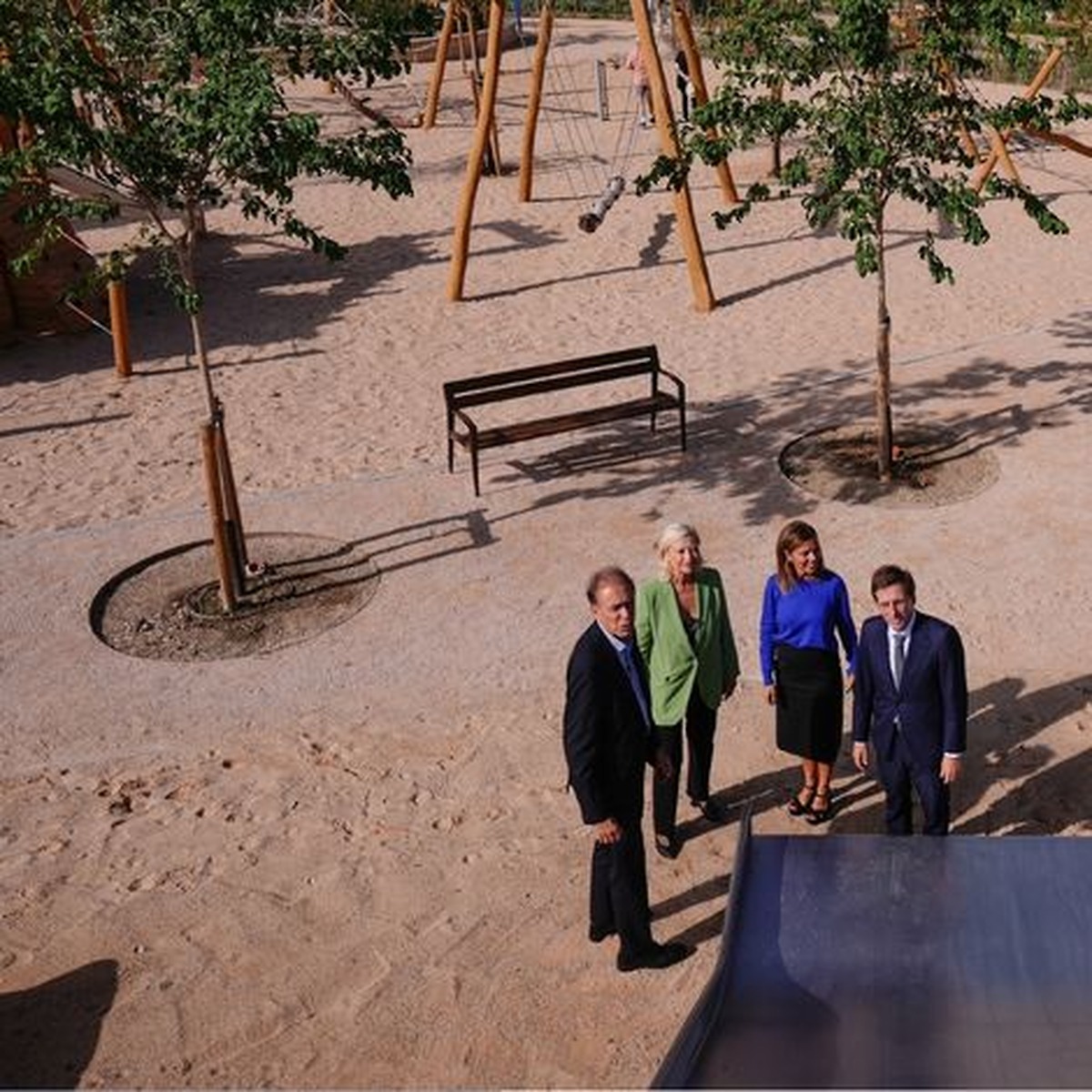
On October 5, 2026, the Mayor of Madrid, José Luis Martínez-Almeida, officially opened the Benedicto XVI Park, a significant new green space located in the San Blas-Canillejas district. The park, which covers more than five hectares, is situated between Avenida de Luis Aragonés and Glorieta de Carlos Llamas, and features various recreational, sports, and biodiversity areas for both residents and visitors.
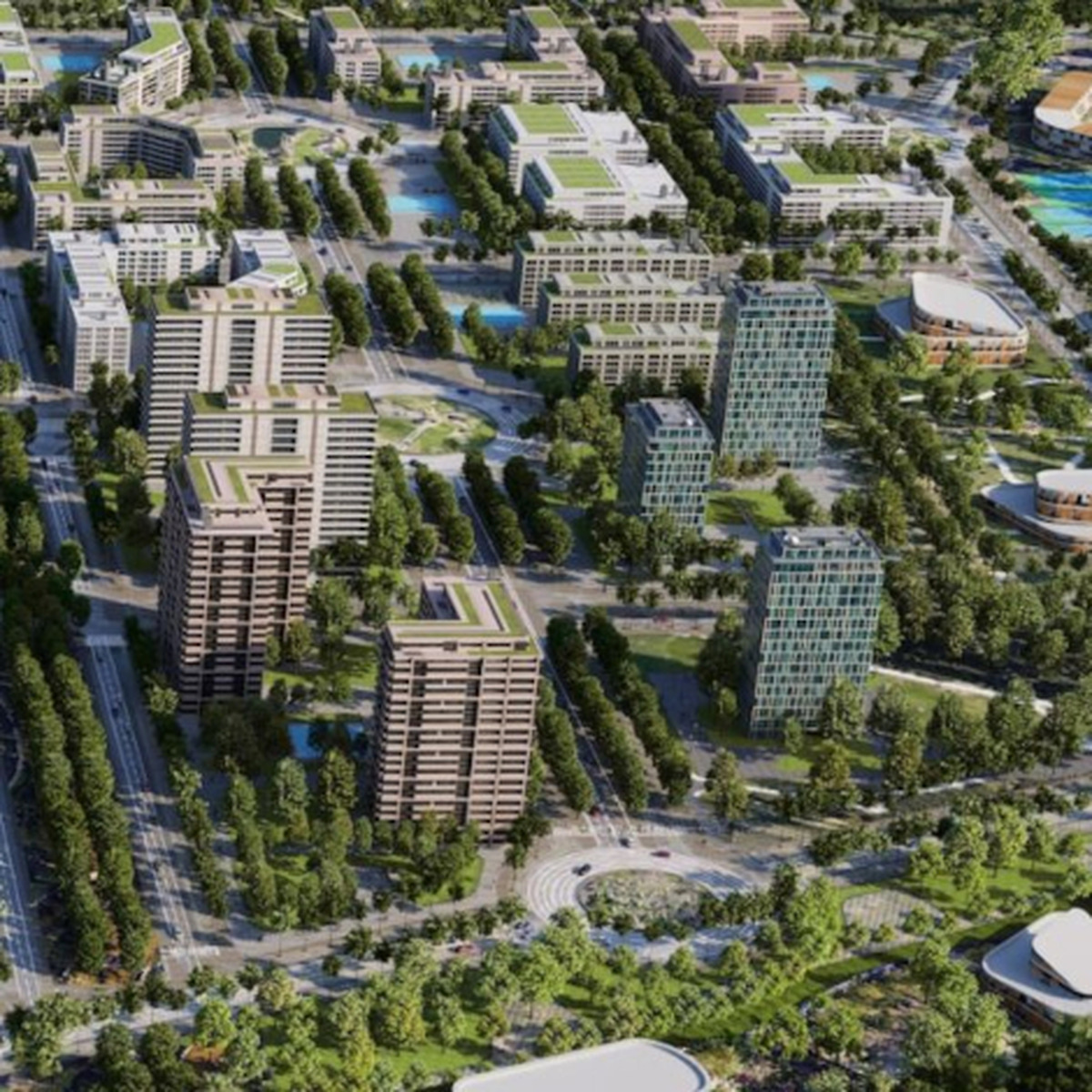
The project, which required an investment of €7.3 million from the city, enhances the northeastern part of a larger green area that encompasses over 35 hectares surrounding the future Ciudad del Deporte (City of Sport) and will serve users of upcoming sports facilities near the Estadio Metropolitano.
During the inauguration, Almeida emphasized the transformation of what was previously an empty lot into a vibrant community gathering space, highlighting the addition of new green areas, children's play zones, and sports facilities. He reiterated the city’s commitment to expanding green spaces in Madrid, stating that such investments significantly improve the quality of life for residents.
Park Features
The park boasts a large children's area exceeding 2,000 square meters, equipped with various play structures suitable for different age groups, including zip lines, hillside slides, climbing nets, trampolines, seesaws, and talking tubes. This central play area features cork flooring, a natural, renewable, and recyclable material that ensures accessibility and safety while providing thermal insulation during hot months.
Additionally, there is a 500-square-meter calisthenics area designed for strength, balance, coordination, and mobility exercises, with equipment made from sustainable robinia wood. Adjacent to Avenida de Luis Aragonés, the park includes an accessible sports circuit and a 1,200-square-meter pump track, designed for bicycles, scooters, skateboards, and rollerblades, featuring banked curves and undulations that allow users to gain speed through body movement.
The park also features two dog areas with agility circuits, located across a bridge on Avenida de Luis Aragonés, and an elevated viewpoint offering panoramic views of Madrid's skyline. Informational panels at this viewpoint highlight notable regional landmarks, including Cabeza de Hierro Mayor and Menor, La Maliciosa, and La Bola del Mundo to the northwest, and the Berrocales del Jarama and Alcalá hills to the east.
Biodiversity Initiatives
Designed with ecological and landscape considerations, the park promotes biodiversity through the use of native plant species and agricultural varieties typical of the region. This approach recreates characteristic landscapes and fosters new habitats. A central biodiversity refuge has been established to attract butterflies and other pollinators, featuring plants such as sage, lavender, thyme, and mint, which provide food for these beneficial insects. The park also includes two insect hotels to shelter these species.
In total, 1,430 trees from 24 different species have been planted, contributing to a total of over 1,900 trees when combined with the 509 trees added to surrounding green areas. The park showcases various Mediterranean landscapes, including an almond grove and an olive orchard with century-old trees, alongside species such as cherry, fig, hazelnut, walnut, pomegranate, holm oak, oak, ash, and pine trees. Additionally, the park is landscaped with 620 large shrubs and over 63,000 smaller plants spread across 20,000 square meters, featuring species like rockroses, dogwoods, tamarisks, wild roses, hawthorns, lavenders, and rosemary.
Moreover, the project incorporates sustainable urban drainage systems through vegetated ditches and rain gardens that facilitate natural water infiltration, recharge aquifers, and alleviate pressure on the sewage system. The park is equipped with custom signage and energy-efficient LED public lighting.