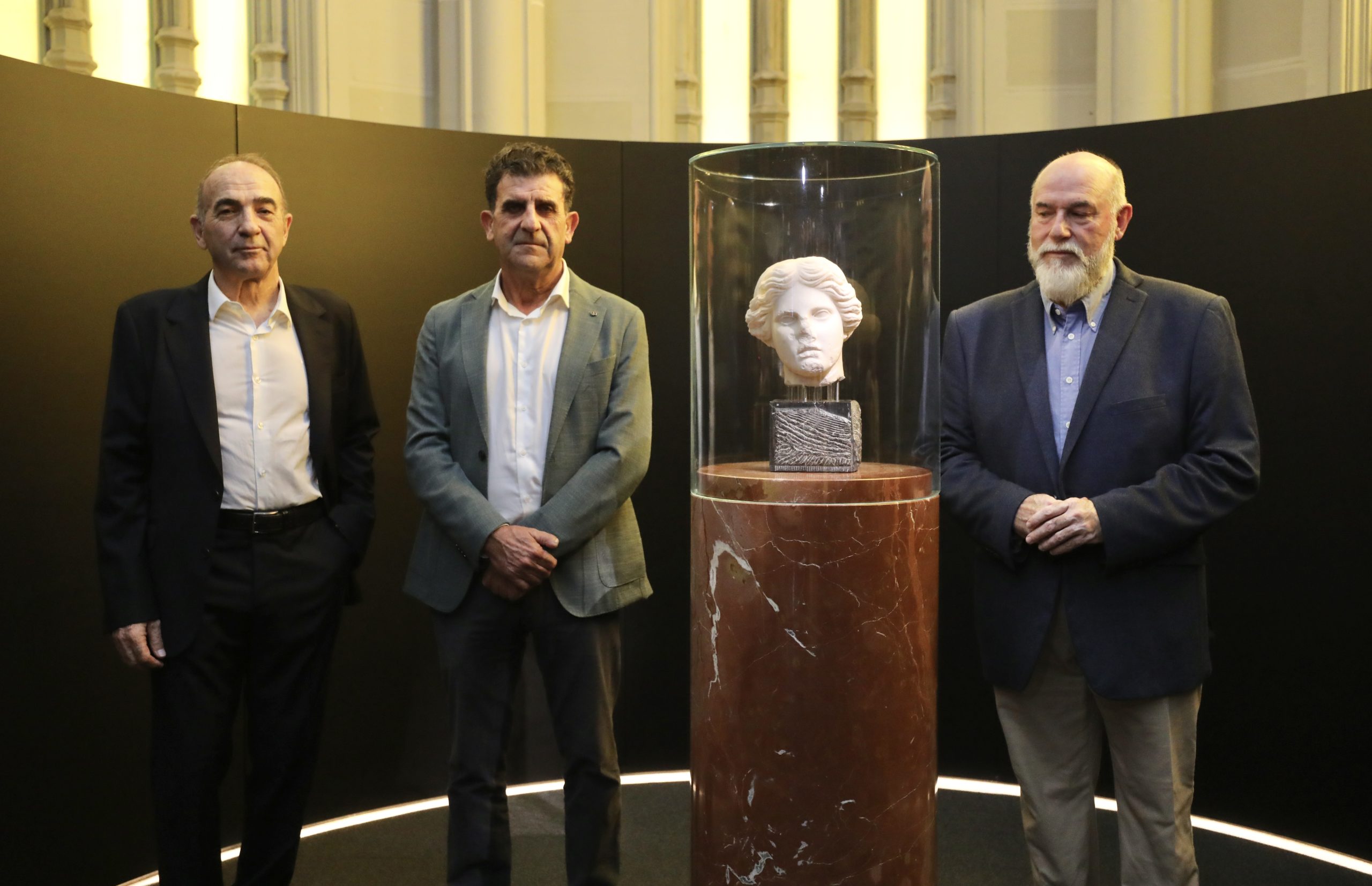
The Museo Arqueológico de Alicante (MARQ) has launched its first exhibition solely focused on a single artefact, titled "Venus, a look from roman alicante." The exhibition centres around a sculptural head, which represents the most significant discovery of roman sculpture in the history of Alicante.
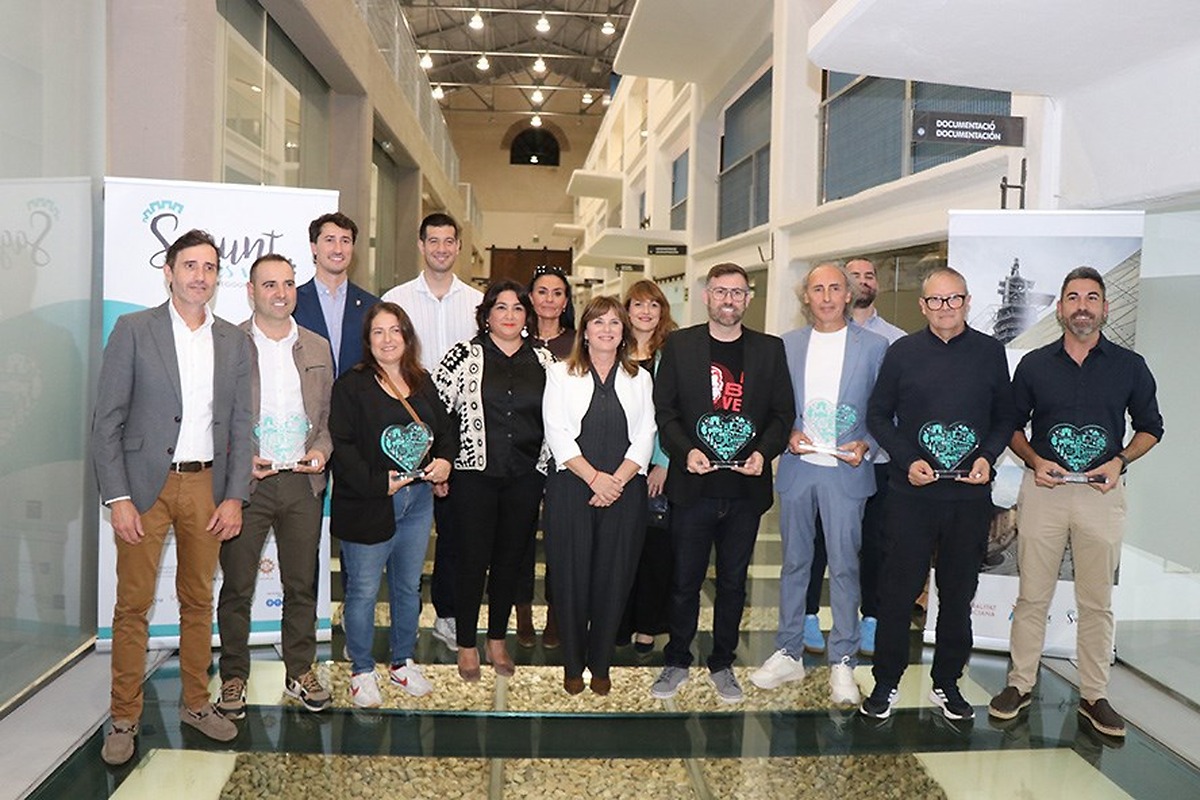
The opening event was attended by the exhibition curators, including MARQ director Manuel Olcina and José Manuel Pérez Burgos, head of the Integral Heritage Department of Alicante City Council, alongside Rafael Pérez, director of the Architecture Area of the Diputación de Alicante, who designed the exhibition.
Both Olcina and Pérez Burgos highlighted the importance of the Venus sculpture, which enhances the historical significance of the ancient city of Lucentum within the Mediterranean region. They recounted its discovery during renovation work at la almadraba beach. Olcina noted that the villa dates back to the high imperial roman period, specifically the 1st and 2nd centuries AD, suggesting that the Venus would have been situated in a noble domus in the area.
“This sculpture has surprised us in the archaeological context as it signifies a level of luxury and wealth previously unknown in the region,” Olcina remarked.
Pérez Burgos emphasised the sculpture's beauty and excellent state of preservation, as well as the high quality of the marble, which is currently being analysed by María del Pilar Lapuente, a petrology professor at the University of Zaragoza. The analysis aims to determine whether the marble originates from the well-known Paros quarry in Greece or from the lesser-known Docimium quarry near present-day Afyon, Turkey. If the latter is confirmed, it would significantly enhance the value of this piece.
Rafael Pérez explained that the exhibition is designed to provide a glimpse into roman alicante, with the Venus gazing enigmatically from the past, her original polychromy lost to time. The exhibition is located in the apse of the former chapel of the Provincial Hospital, now the library. The setup includes detailed references to Alicante and the goddess Venus.
The head of Venus is positioned atop a 220-kilogram red Alicante marble cylinder, sourced from the Romaneta quarry, and is supported by a black marquina marble base sculpted by Miguel Bañuls. Together, these elements recreate the colours typical of roman mosaics and the Explanada promenade.
The exhibition also pays homage to artist Eusebio Sempere, incorporating small metacrylate springs that create the illusion of the Venus head being suspended in mid-air. In front of the original roman head, protected by a glass niche, a touchable replica is available, complete with braille text and a QR code for an audio explanation.
Additional features of the exhibition include scientific panels detailing the roman city of Lucentum, the villa of la almadraba, and the historical and artistic context of the Venus. A large artistic panel showcases images of the sculpture, while a convex panel dedicated to the sculptor displays a two-minute video in Spanish, Valencian, and English.
“Venus, a look from roman alicante” will be open to the public until 10 January, after which it will be moved to the permanent roman archaeology exhibition at MARQ, following an agreement signed between the City Council and the Diputación de Alicante in September. The exhibition is accessible during regular MARQ hours, with prior reservation required on the museum's website, as entry is limited to 40 people every half hour.