The Government of Castilla-La Mancha and Parkinson Cuenca are working closely to offer specialised care to individuals facing dependency issues. This initiative aims to improve personal autonomy and facilitate daily living through the SEPAP-MejoraT services and other support programmes.
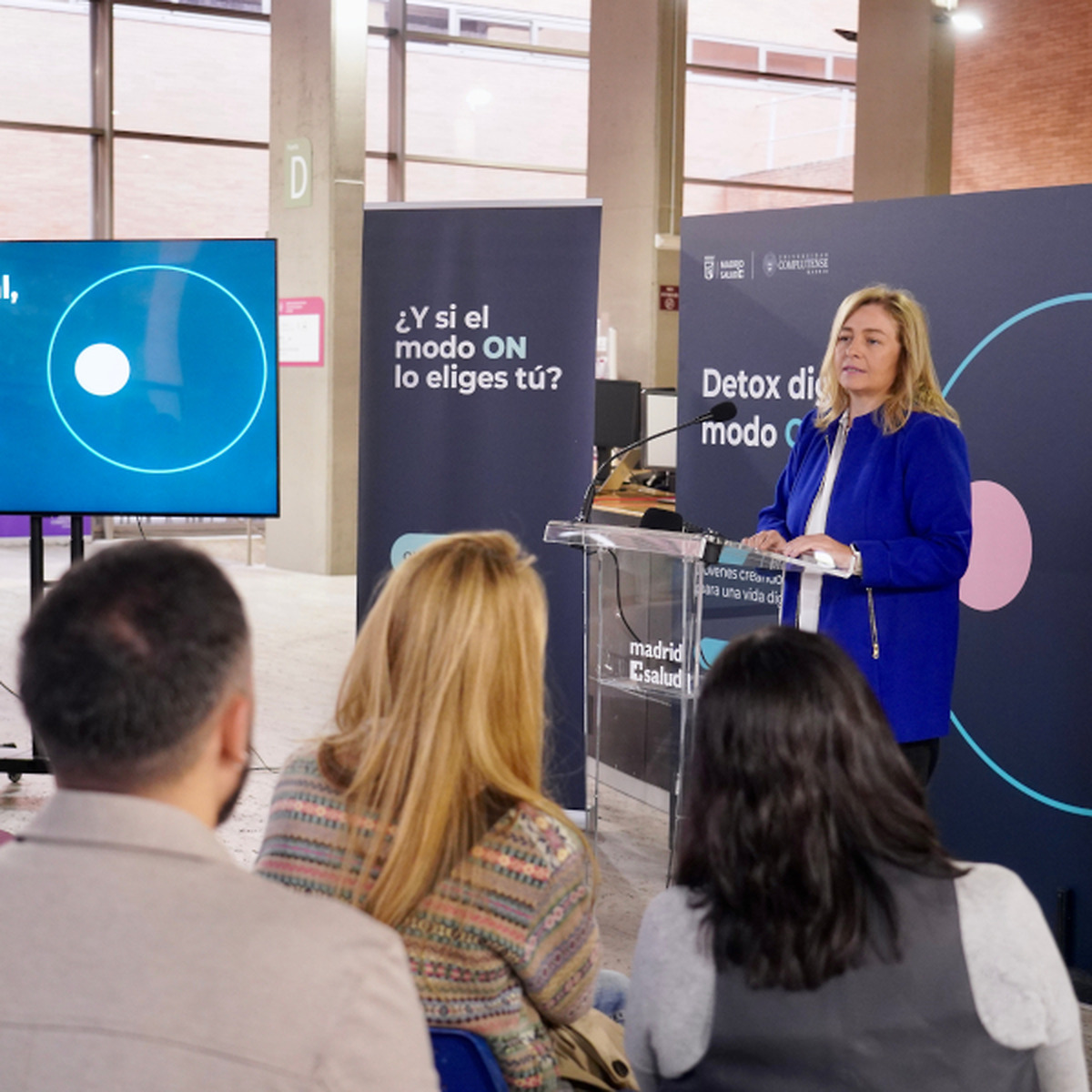
Marian López, the regional delegate in Cuenca, highlighted this collaboration during the inauguration of the 10th Charity Exhibition of Parkinson Cuenca. She emphasised the vital role that social entities play in partnership with the regional administration to deliver public resources and services to those in need.
Parkinson Cuenca manages three SEPAP-MejoraT services, fully funded by the regional government, providing a total of 195 places. One service is located in Cuenca city with 55 places, while two mobile services offer 70 places each, extending care to other areas of the province. These services provide specialised therapies and support aimed at enhancing personal autonomy and easing daily life for individuals in dependency situations.
The three facilities are part of the public network of SEPAP-MejoraT services, which this year has reached 1,100 specialised places in Cuenca province. López also noted that the regional government's collaboration with Parkinson Cuenca extends to other care programmes supported by grant calls for the elderly and those funded through personal income tax contributions. Overall, the funding from the Government of Castilla-La Mancha for services and programmes developed by Parkinson Cuenca has exceeded €350,000 in the past year.
López stressed the importance of maintaining collaboration with third-sector entities, which helps bring care closer to individuals, particularly in a province as vast and dispersed as Cuenca.
Ten years of culture and solidarity
The regional delegate participated in the opening of the 10th Charity Exhibition of Parkinson Cuenca alongside the association's president, Rafael García, and its director, Beatriz Hernández. They were joined by Cuenca's mayor, Darío Dolz; the provincial delegate for Social Welfare, Susana Zomeño; and the councillor for Social Services, Estela Soliva.
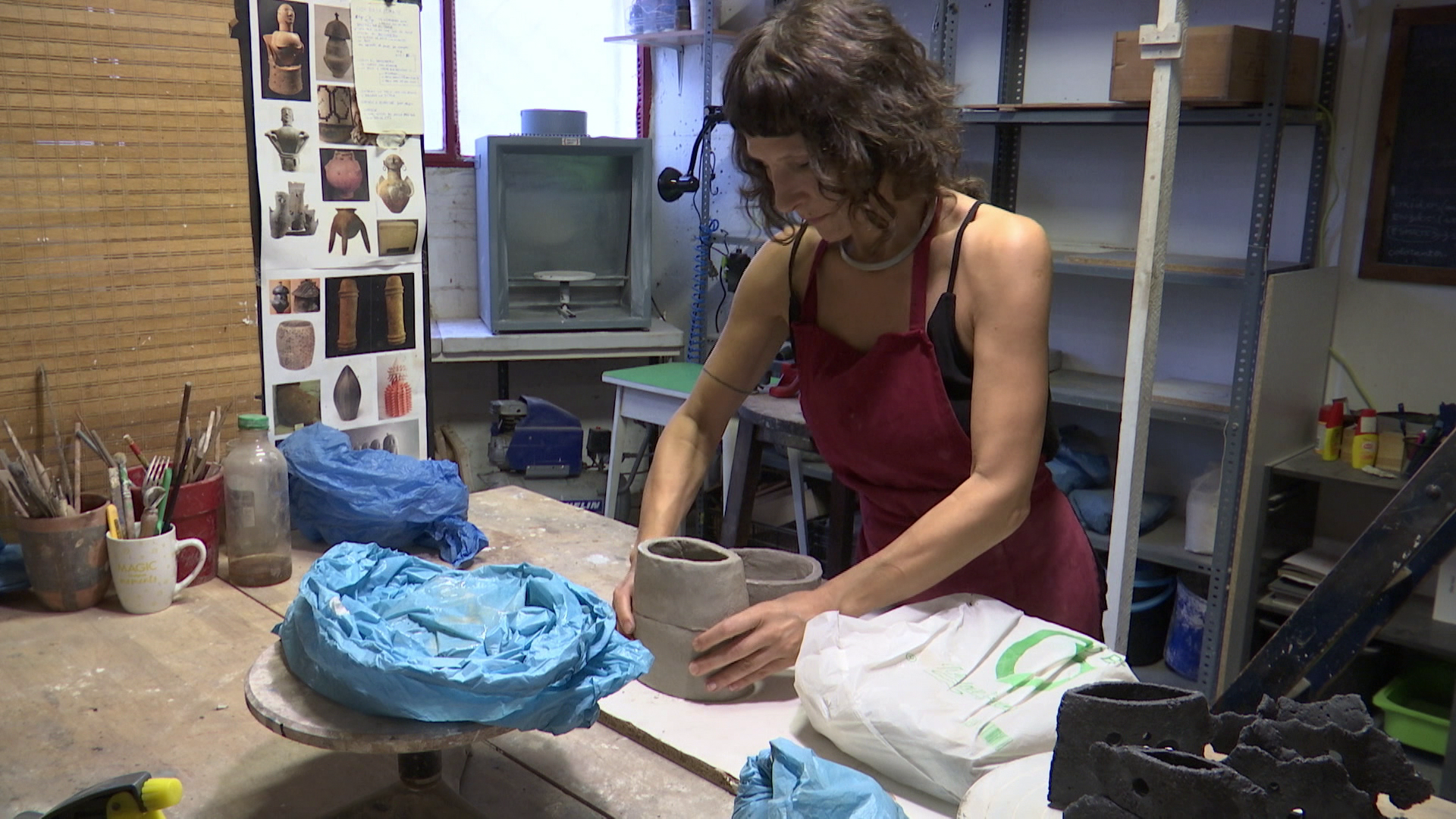
López congratulated the association for sustaining an initiative that combines culture and solidarity over ten editions, contributing to raising awareness about Parkinson's disease and generating funds to support affected individuals and their families. She also expressed gratitude to the nearly 60 artists and participants who donated their works for this edition, curated by local artist Carlos Codes.
“This exhibition shows that Cuenca has not only great artists but also very generous individuals willing to use their talent to help others,” she remarked.
The exhibition features works of painting, photography, ceramics, and more, all donated altruistically, and will be open until 13 December at the Princesa Zaida Exhibition Hall, a space provided by the regional government. Entry is free, with visiting hours from Tuesday to Saturday, 10:30 to 14:00 and 16:30 to 20:00, and on Sundays and holidays from 10:00 to 14:00. Works can be purchased through the association's solidarity shop.