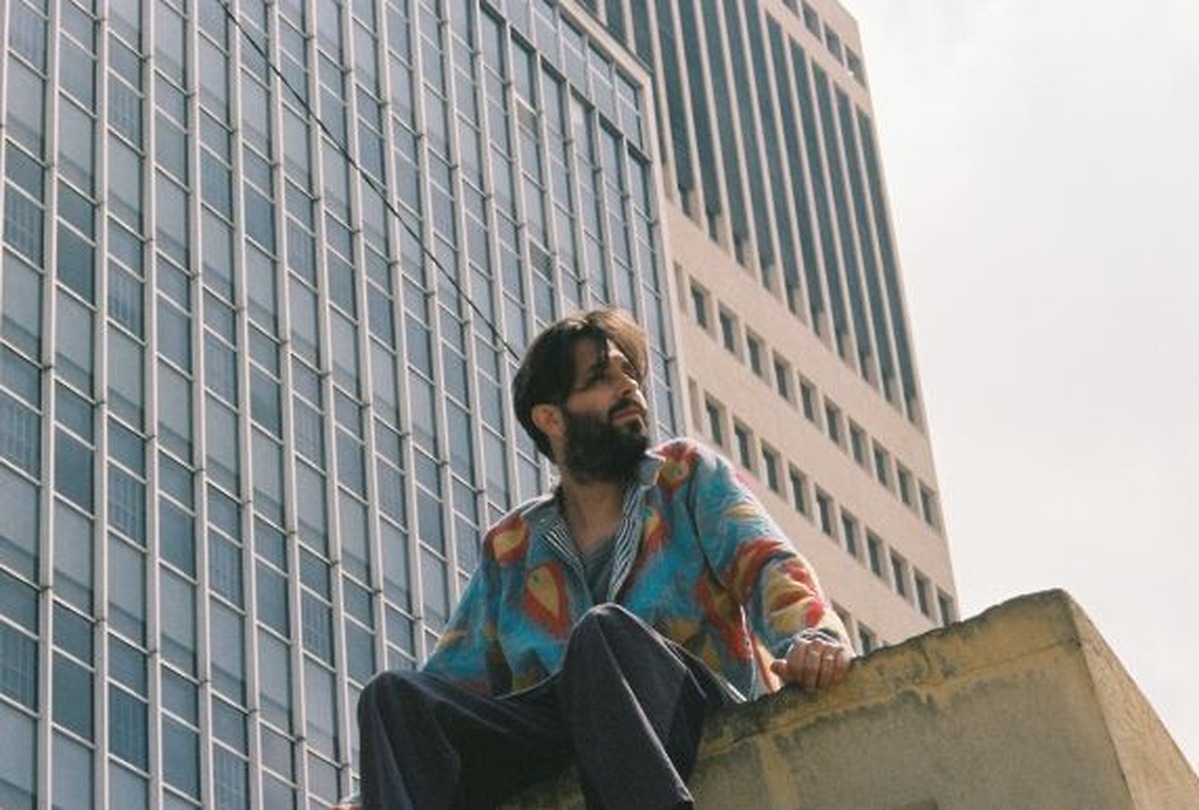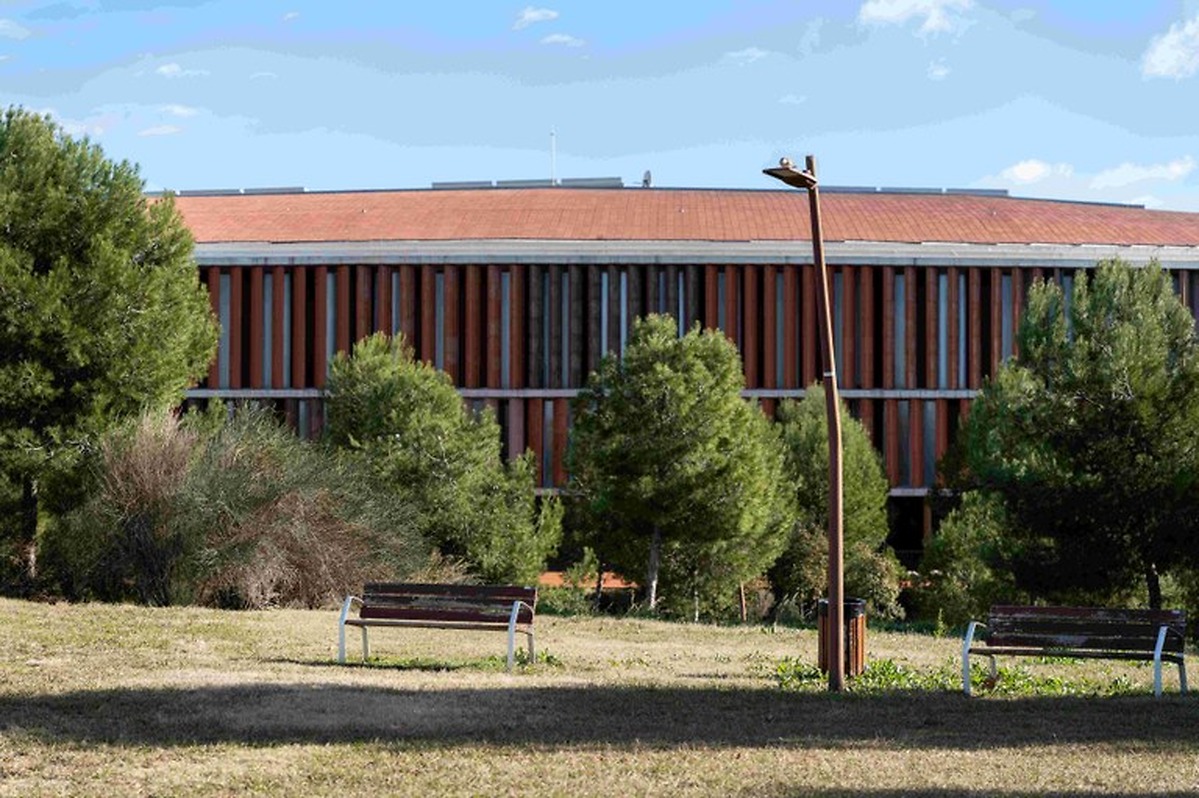

The cultural magazine Turia is set to launch its latest edition in Teruel on Wednesday, 25 November at 7pm in the auditorium of the Territorial Delegation of the Government of Aragon. This special issue focuses on 'Spanish, a global language' and will include a conversation with writer and journalist Sergio del Molino, moderated by Fernando del Val.
Sergio del Molino, known for his acclaimed works such as 'La España vacía', 'Los alemanes', and 'La hora violeta', is one of sixteen distinguished experts contributing to this edition, which examines the current state and future challenges of the Spanish language. Del Molino has also recently published a novel titled 'La hija', which highlights the historical figure of Rosario Weiss, a painter and disciple of Francisco de Goya, whose story has often been overshadowed.
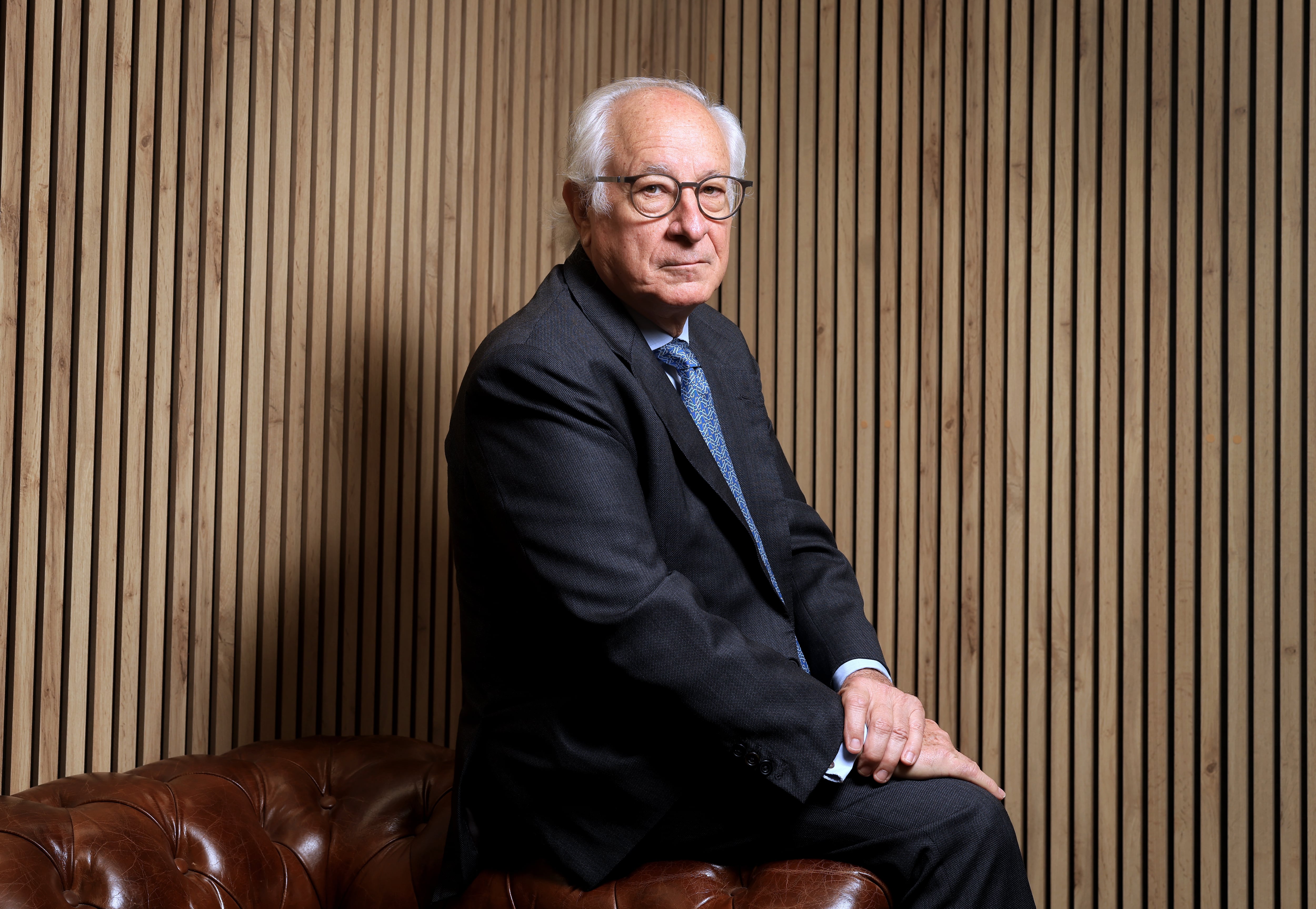
The event will also serve as a public homage to Juan Carlos Soriano, a journalist from Teruel who has dedicated his career to radio, directing notable programmes at Radio Nacional de España, including 'El Ojo Crítico' and 'Documentos RNE'. As he approaches retirement, Turia has dedicated an article to him, recognising his significant contributions to journalism.
In the article, José Manuel Soriano Degracia reflects on Soriano's impactful career, stating, 'It is impossible to encapsulate so many years of work in a handful of words. He has been a great journalist, an exceptional chronicler, the voice that brings us closer to the world and history.'
The monograph on 'Spanish, a global language' comprises 150 pages of original texts, exploring the origins of a multicultural language that boasts over 600 million speakers worldwide. It highlights the significance of Spanish not only as a means of communication but also as a shared cultural heritage and a tool for scientific, literary, and social creation.
Turia, which has been in publication for 43 years and features over 1,500 authors, is a leading cultural magazine in Spanish. It is published by the Institute of Turolense Studies and supported by the Caja Rural de Teruel, the City Council of Teruel, and the Government of Aragon. This special issue has also received funding from the San Millán de la Cogolla Foundation and the Government of La Rioja.
In his contribution to Turia, titled 'Bad Bunny sings to Miguel de Unamuno in Manila', Del Molino revisits the figure of José Rizal, a key character in the independence of the Philippines and author of the novel 'Noli me tangere'. He notes that while the novel is virtually unknown in Spain, it is a staple in Filipino education.
Del Molino connects Rizal's work to contemporary discussions surrounding the Spanish language, asserting that being part of the Hispanic community involves embracing one's identity without losing connection to others. He concludes that the Spanish language must be cherished and nurtured to ensure its continued relevance and understanding.