The cultural magazine Turia will unveil its special issue titled El español, un idioma global in Logroño on 19 November at 19:00 in the Ateneo Riojano. The event, which is free to attend until full capacity is reached, will include a conversation with writer and academic Soledad Puértolas, led by journalist and poet Fernando del Val.
A second presentation of Turia is scheduled for 25 November in Teruel, where writer and journalist Sergio del Molino will be the featured guest. Both Puértolas and del Molino have contributed insightful articles to the magazine's special issue.
The new edition comprises 150 pages of unpublished texts from sixteen esteemed specialists and writers who explore the global status of the Spanish language and its future challenges. With over 600 million speakers, Spanish is one of the world's major international languages, making this dossier particularly relevant. It highlights the significance of Spanish not only as a communication tool but also as a shared cultural heritage, a historical memory, and a means for scientific, literary, and social creation.
This issue also pays homage to Rafael Azcona, regarded as the finest screenwriter in Spanish cinema. As the centenary of his birth approaches, Turia features an extensive article that examines the narrative work of this influential figure, who portrayed the complexities of the 20th century through both film and literature.
Turia is published by the Instituto de Estudios Turolenses of the Diputación de Teruel, and its funding comes from its publisher, subscribers, and sponsorship from Caja Rural de Teruel, the Teruel City Council, and the Government of Aragón. The special issue on El español, un idioma global has been made possible through the support of the Fundación San Millán de la Cogolla and the Government of La Rioja.
In her article “La cuestión palpitante,” Soledad Puértolas draws on the figure of Emilia Pardo Bazán to trace the history of the Spanish language and the evolving role of the Real Academia Española (Royal Spanish Academy). She argues that while grammatical norms are essential for mutual understanding, it is the usage of the language by its speakers that ultimately shapes its rules. “The language belongs to all its speakers,” she asserts.
Puértolas, a member of the RAE since 2010, emphasises that language transcends borders and fosters connections among people. “It can be our best ally,” she states, acknowledging its complexities and the way it reflects our identities.
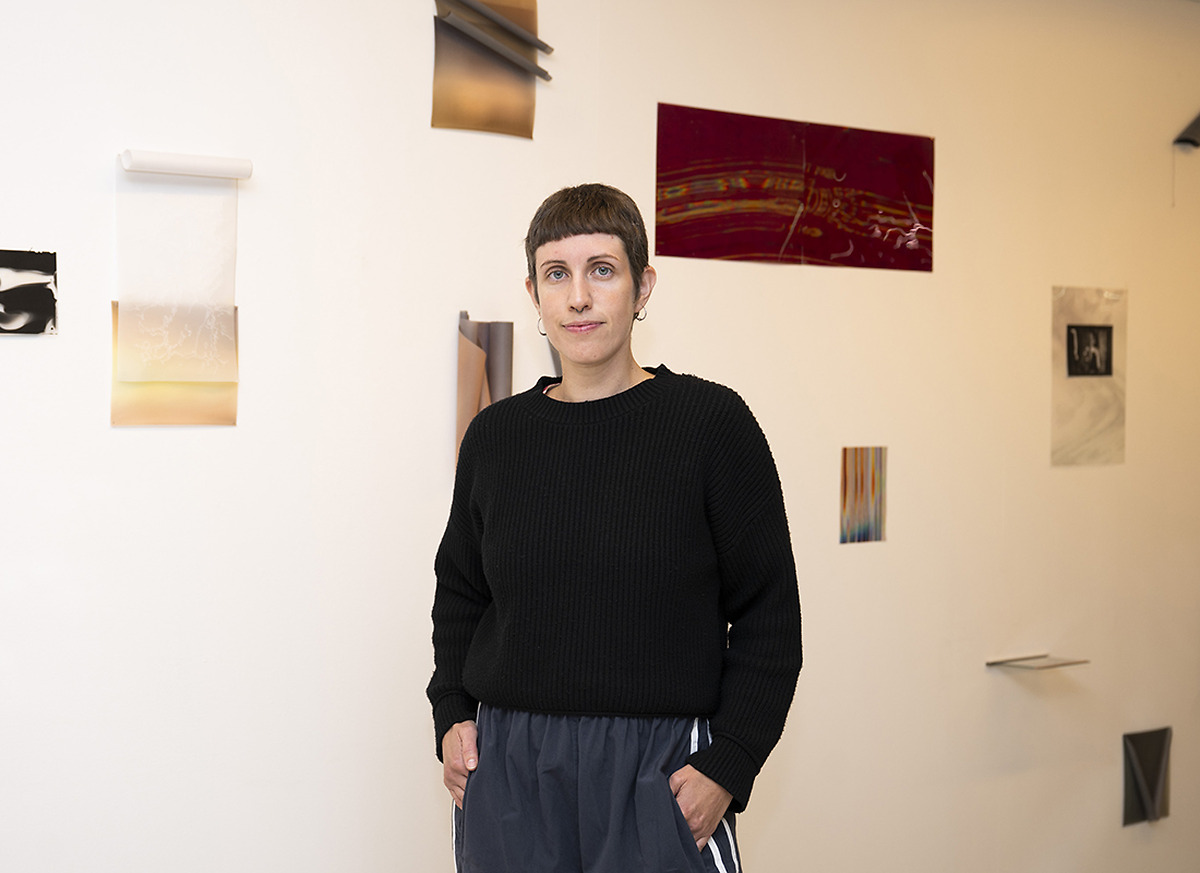
The latest issue of Turia is visually enriched by the artwork of Antonia Santolaya, a prominent Spanish illustrator. Her images introduce each of the ten sections of the magazine, with one of her colour illustrations gracing the cover.
The magazine opens with an article by film historian Pablo Pérez Rubio titled “De retretes, paralíticos y señores bajitos. Las novelas de Rafael Azcona,” which seeks to rectify the oversight of Azcona's literary contributions despite his acclaim as a screenwriter. Additionally, Turia features original works from eighteen authors based in La Rioja, including notable poets and writers.
This return of Turia to La Rioja comes eleven years after its first exploration of the region's literary culture, which included a memorable monograph on Rafael Azcona in 2015.
Several articles in the special issue examine the crucial links between La Rioja and the origins of the Spanish language, highlighting initiatives that use Spanish as a tool for knowledge dissemination. Almudena Martínez discusses the Fundación San Millán de la Cogolla, established in 1998, which aims to protect and promote the cultural heritage of the region while advancing the Spanish language.
Other contributions include a detailed article by Javier and Claudio García Turza on San Millán de la Cogolla's significance in the development of the Spanish language, and a piece by Carlos Alvar focusing on Gonzalo de Berceo, the first poet in Spanish.
Dialnet, a leading platform for scientific knowledge in Spanish, is also featured, marking its 25th anniversary as a vital resource for universities and research institutions.