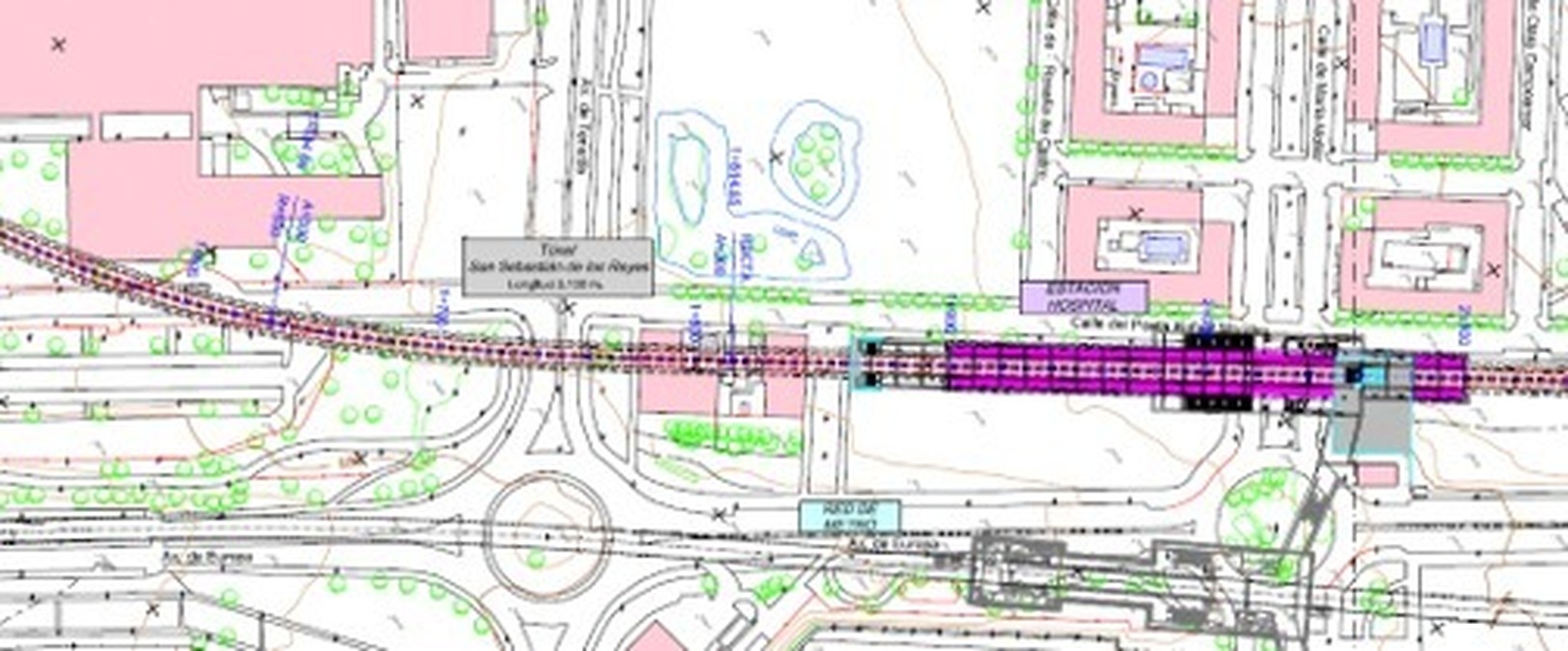
The Spanish Ministry of Transport and Sustainable Mobility has awarded a contract for an informative study regarding the extension of the Madrid Cercanías train network to the Hospital Infanta Sofía in San Sebastián de los Reyes. The project has a budget of €720,631 (including VAT) and is expected to be completed within 24 months.
This study will assess the feasibility of extending the existing railway infrastructure via the C4a line to enhance mobility and connectivity. A prior feasibility study indicated that the project would yield socio-economic returns exceeding the required thresholds. It is estimated that approximately 9,500 passengers would use the new railway segment daily.
The contract, which has been published on the Public Sector Procurement Platform (PLACSP), includes the drafting of the informative study and assistance during its processing until the Environmental Impact Declaration is obtained and the study is definitively approved. The study aims to define and analyse the potential extension of the railway infrastructure from the Alcobendas/San Sebastián de los Reyes station to Hospital Infanta Sofía.
Before the bidding for this informative study, a viability report was conducted, exploring several hypotheses for extending the existing railway tunnel. This feasibility study, completed in 2026, concluded that the extension to Hospital Infanta Sofía is both viable and profitable. The projected investment for this initiative is approximately €137 million, primarily aimed at extending the existing tunnel from San Sebastián de los Reyes and constructing a new station adjacent to the hospital.
The new connection is expected to save these passengers an average of ten minutes in their journeys compared to current transport options. These time savings, along with a reduction in externalities associated mainly with private vehicle use, result in a social internal rate of return exceeding 6%, surpassing the 3% threshold established for the socio-economic viability of such projects.
The informative study will be conducted in two phases: Phase 1 will involve drafting the study based on the corridors and alternatives analysed in the previous viability report, while Phase 2 will encompass the final management leading to the Environmental Impact Declaration and the definitive approval of the informative study.
This initiative aligns with the objectives of the Sustainable, Safe and Connected Mobility Strategy 2030, aimed at enhancing social cohesion, economic growth, and addressing real mobility issues. The use of rail transport supports these goals and contributes to sustainable mobility from social, economic, and environmental perspectives.