The participatory process involving university students will focus on preventing problematic use of screens and new technologies, a key priority of the Madrid Salud Addiction Institute. Student teams will develop preventive proposals across six areas: education, family, community, leisure, individual, and awareness/communication.
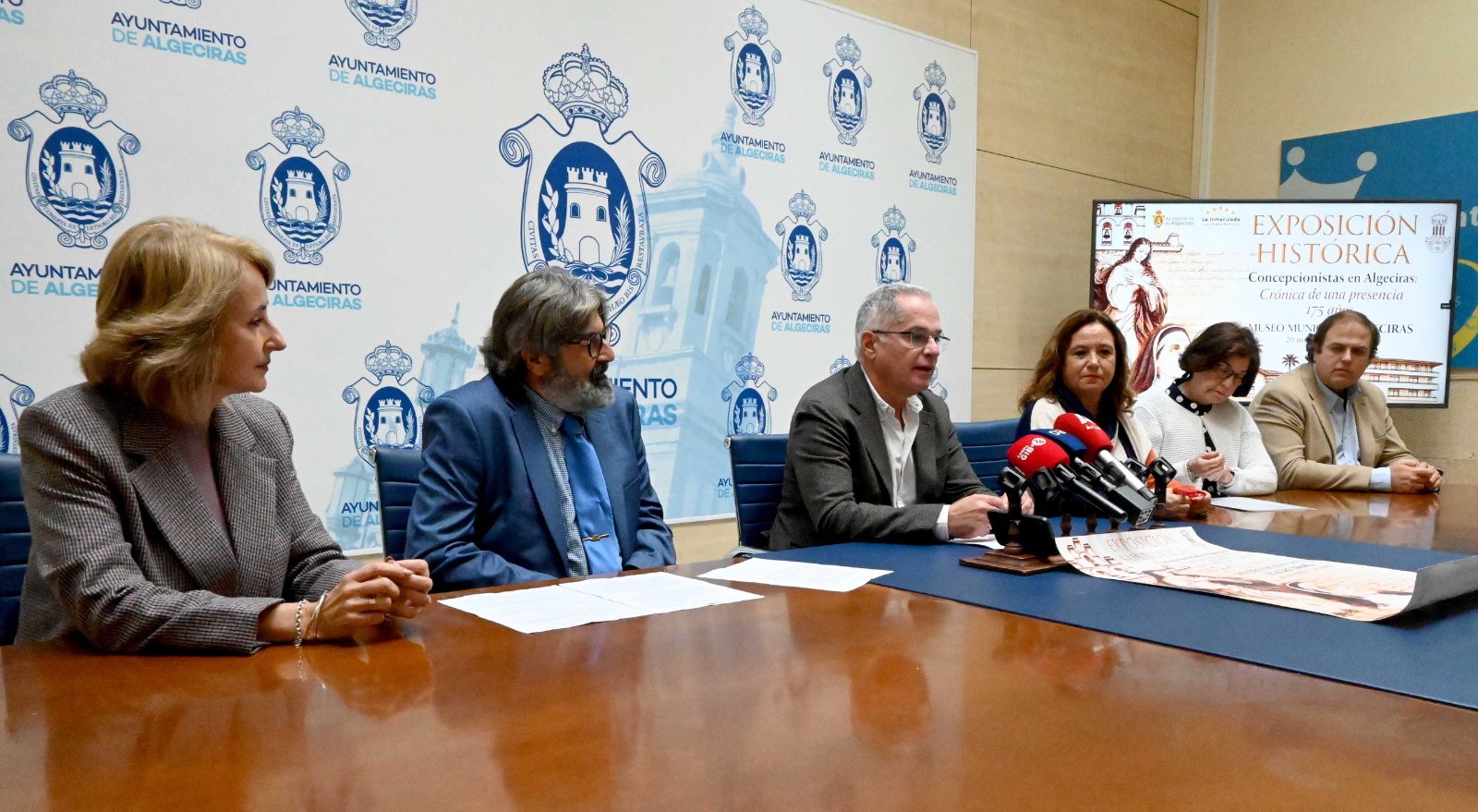
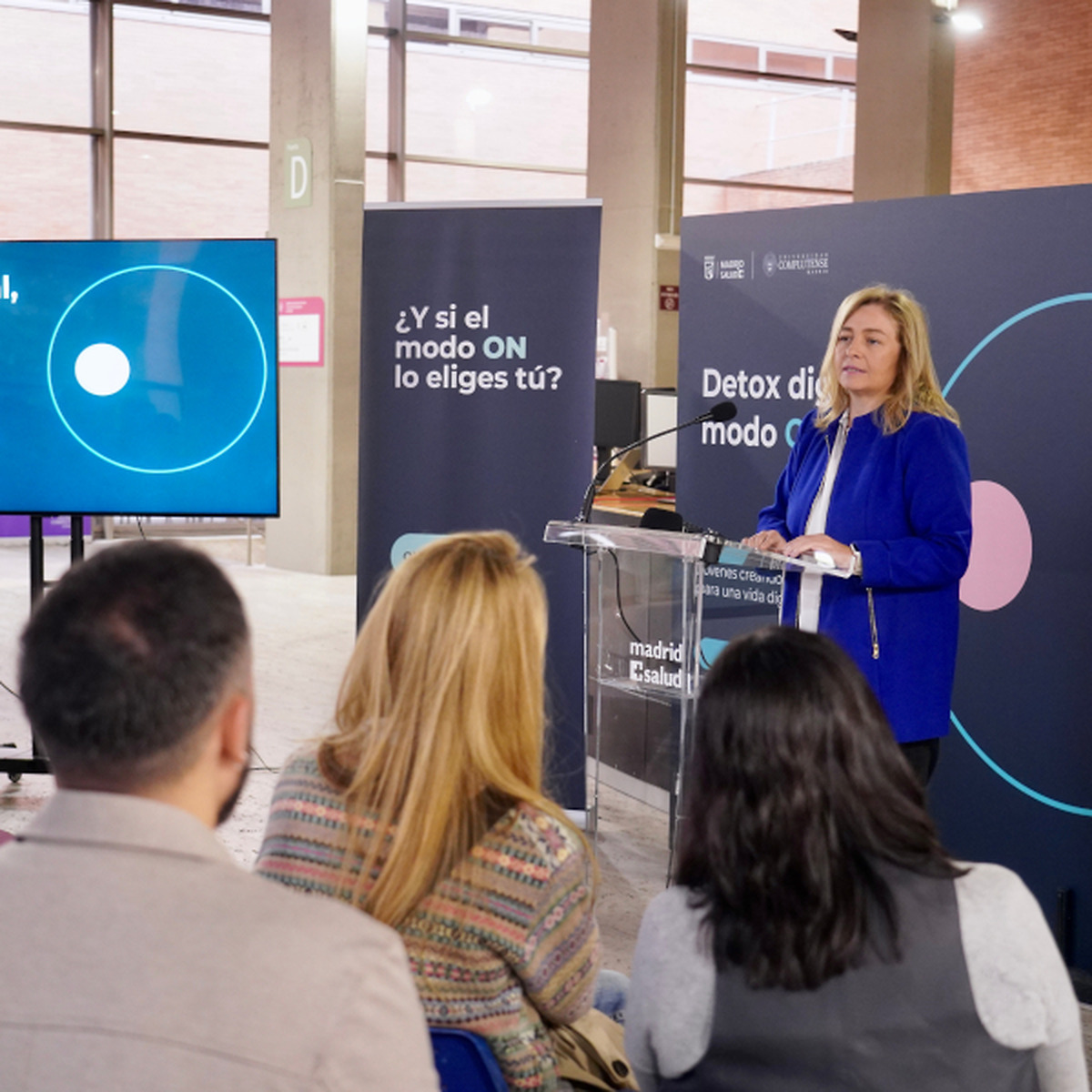
The event marks the beginning of the establishment of a Youth Advisory Committee, designed to incorporate the youth perspective into the design and evaluation of municipal actions in this area. Inma Sanz, Madrid's deputy mayor and delegate for Security and Emergencies, inaugurated the 'Digital Detox, Mode ON' event at the Casa del Estudiante of Complutense University. This initiative, developed by Madrid Salud in collaboration with the university, aims to promote healthy digital habits among adolescents and young people.
Sanz stated, "The goal is not to demonise new technologies, as they can be beneficial for discovery, learning, entertainment, and connecting with others. However, misused, they can isolate us and harm our mental health."
She expressed gratitude to the university students for stepping forward to share their experiences, perspectives, and ideas on an issue that affects everyone, but which they experience more directly and urgently.
During the event, several interdisciplinary student teams will work on proposals related to technology use and digital well-being, which will be considered for the upcoming Addiction Plan 2027-2031. This initiative aims to listen to young people and involve them as part of the solution by integrating their experiences and suggestions into preventive action design.
The event revolves around the common challenge, "How can we build healthy habits without giving up the benefits of technology?" Teams will develop proposals for promoting digital well-being and preventing problematic screen use across six intervention areas: education, family, community, leisure, individual, and awareness/communication. Topics will include autonomy, critical thinking, emotional well-being, social relationships, digital safety, healthy habits, and early detection of risk situations.
Furthermore, this initiative will serve as the starting point for creating a permanent Youth Advisory Committee, facilitating ongoing dialogue between young people and public administration in the design, monitoring, and evaluation of addiction prevention actions. The university population is particularly relevant for early identification of emerging trends and serves as an ideal space for knowledge generation, experience exchange, and innovative proposal development.
According to Madrid Salud data, behavioural addiction requests account for 58.1% of total requests from families in the Family Guidance Service. Additionally, 36% of at-risk youth receiving care at addiction centres (CAD) are due to screen use (internet, social media, and video games). In terms of gender distribution, 68% are male (primarily due to video games) and 32% female (mainly related to social media).