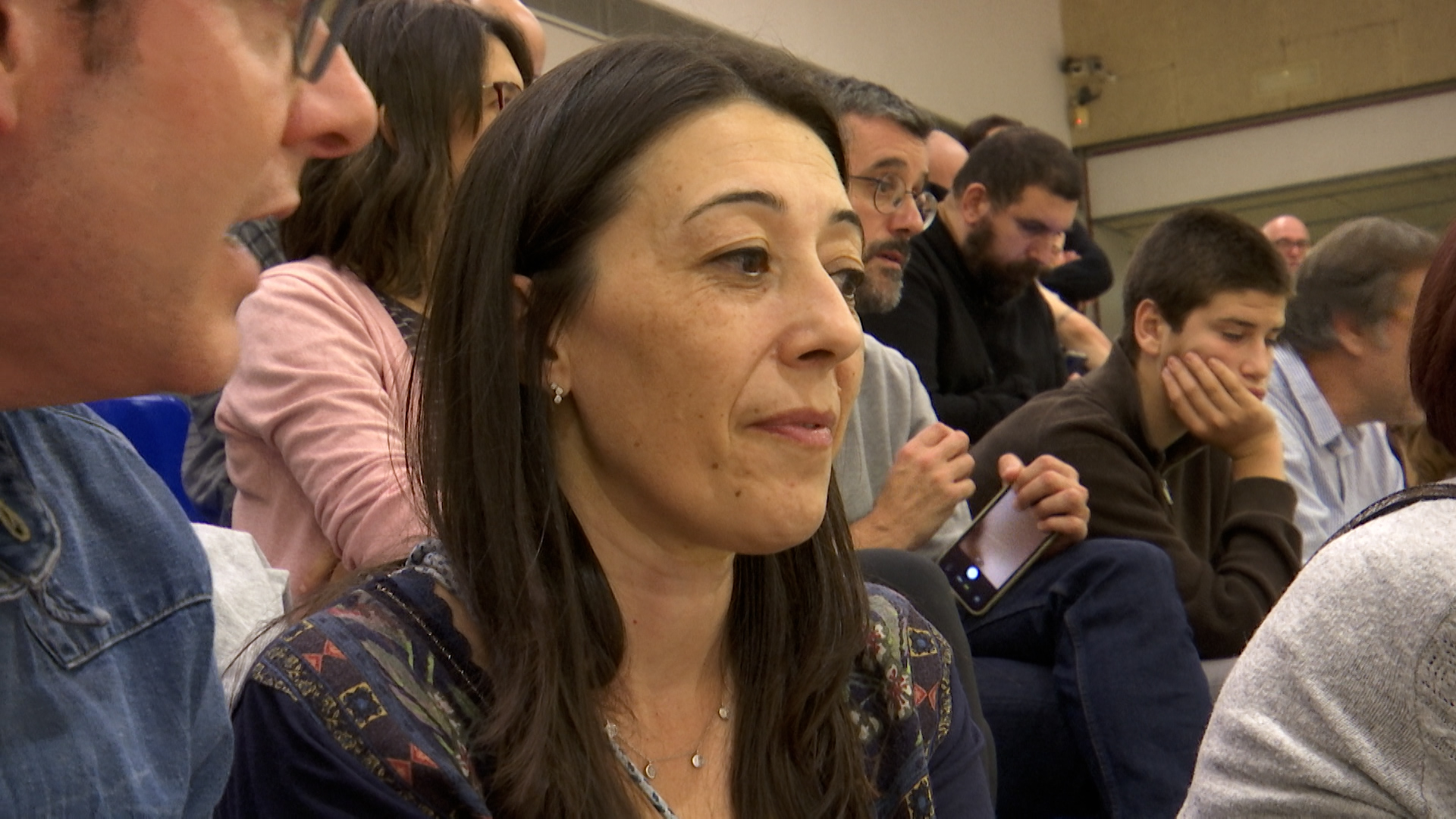
The secretary general of Language, Valentín García, acknowledged the "effort and interest in the language and culture of Galicia" shown by participants in the courses for foreigners, during a diploma presentation ceremony. The courses were organised by the Xunta de Galicia in collaboration with Cáritas in Santiago de Compostela, as part of the initial measures introduced with the renewal of the General Plan for the Normalisation of the Galician Language.
Accompanied by Pilar Farjas, the director of Cáritas Diocesana de Santiago de Compostela, García explained that this initiative has already engaged 1,500 individuals from 39 different nationalities. The programme is set to expand next year, supported by nearly 700 measures included in the Plan.
“In the upcoming year, we will continue to offer courses aimed at integrating the immigrant population into the native language of Galicia, ensuring accessible, attractive, and free educational opportunities while promoting social integration,” García stated.
To achieve this, the secretary general confirmed ongoing collaboration with local councils and organisations such as Cáritas Federadas Galicia, Cáritas Diocesana Lugo, and the Red Cross to provide courses, with a target of reaching over 2,000 individuals born outside the region by 2027.
The specific course held in Santiago de Compostela included 25 participants from countries such as Algeria, Argentina, Brazil, and Colombia, who began their lessons on 14 September. García encouraged them to continue their learning journey to become "new galician speakers".
This course was structured into five thematic units designed to facilitate a gradual, practical learning process connected to Galician reality. Each unit included phonetic content to help familiarise learners with Galician sounds and improve pronunciation, grammar focused on basic and common language structures, useful vocabulary with a communicative approach for everyday situations, and cultural insights that also covered the history of the Galician language.
Additionally, downloadable online materials have been created and are available for free on the Portal da Lingua for anyone interested.