Cristina Valido, the candidate for Coalición Canaria-Primero Canarias in the Congress of Deputies for the province of Santa Cruz de Tenerife, has called on the Spanish government to immediately update insularity compensations and cover 100% of the real transport costs for goods between the islands and the mainland. This initiative aims to combat the rising cost of living in the Canary Islands.
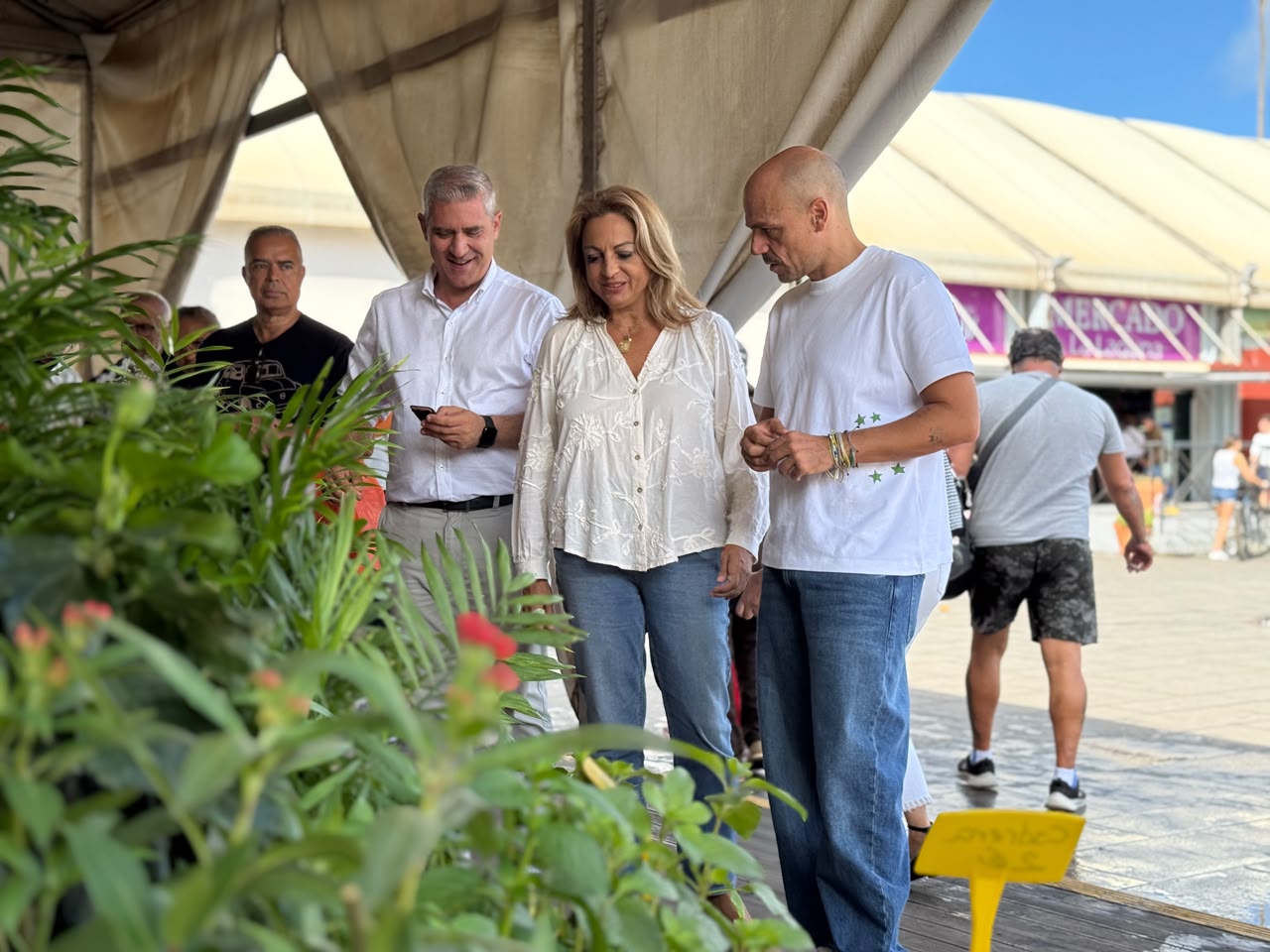
During a visit to the Mercado de La Laguna, Valido highlighted that families in the Canary Islands are facing price increases that exceed those in other regions, primarily due to additional costs associated with their insular status and the outdated compensations for transport. She stated, “From Coalición Canaria and Primero Canarias, we remind that a significant portion of the products we consume come from outside, and we need support and subsidies to prevent these extra costs from being passed on to the shopping basket.”
Valido pointed out that transport compensations are still calculated based on 2019 figures, despite rising fuel costs and various international crises that have inflated transport expenses. “The State is not covering the real cost of transport, and we are paying that difference when we reach the supermarket checkout. We cannot continue to bear these extra costs that should be compensated,” she asserted.
She insisted that Coalición Canaria-Primero Canarias will demand that compensations be reviewed and updated at the beginning of each year, in line with actual costs, to prevent families in the archipelago from continuing to suffer the economic consequences of their geographical isolation.
Furthermore, Valido linked the reduction of living costs to the need to protect and strengthen the Canary Islands' primary sector, ensuring that farmers and ranchers receive the necessary support to maintain their activities. “Lowering the cost of living also requires protecting those who produce our food. Therefore, we will continue to advocate for the full maintenance of the POSEI and complete state contributions to agricultural aid. The Canary Islands still have to advance funds to our farmers and ranchers that Madrid fails to provide on time,” she noted.
In this context, Valido emphasised that securing transport subsidies and full financing of the POSEI is crucial for the future of agriculture in the Canary Islands. “If we have the transport compensations that we are entitled to and a fully funded POSEI, we can promote generational renewal, preserve our agricultural land, and move towards greater food sovereignty for the archipelago,” she explained.
Finally, Valido reiterated the need for specific measures that take into account the unique economic circumstances of the Canary Islands and enable the fight against the rising cost of living. “In the face of inflation and the extra costs of insularity, we need real solutions that guarantee living in the Canary Islands does not mean paying more for basic products,” she concluded.