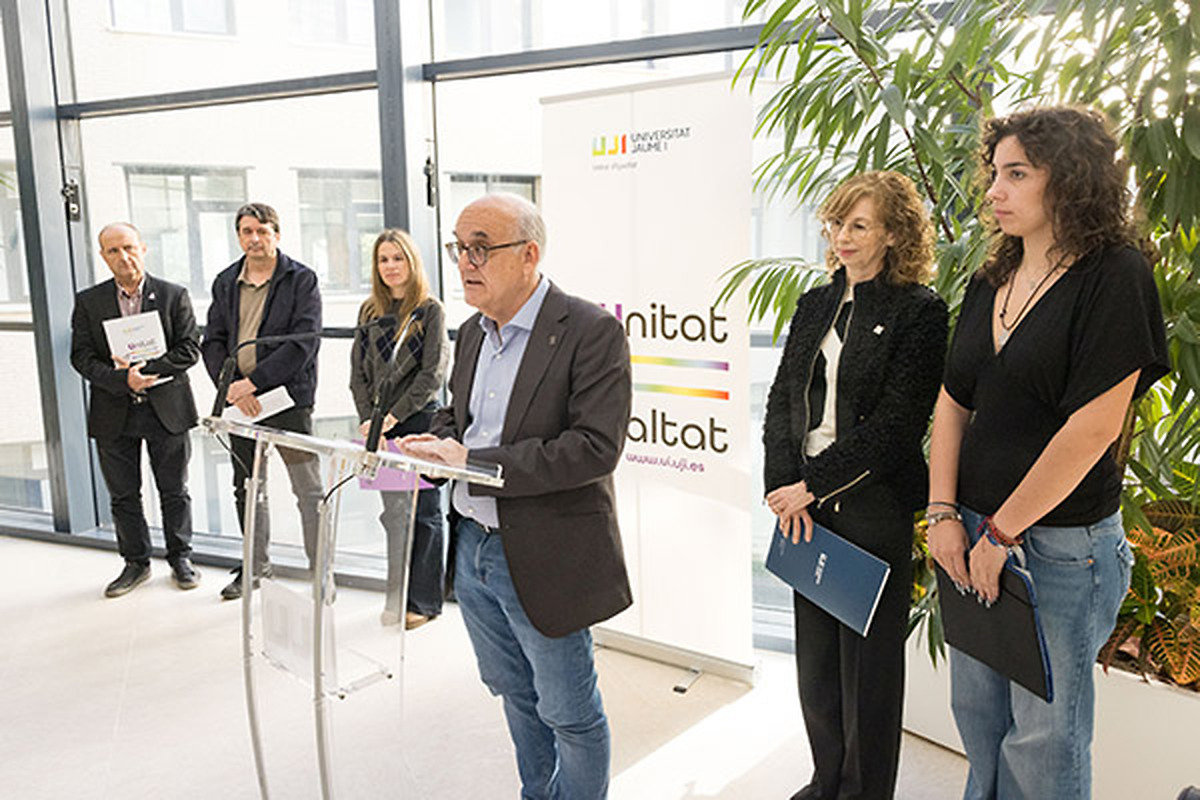

The Xunta de Galicia has initiated a new archaeological project at the Castro das Travesas site in Carral, with an investment of €20,000 aimed at enhancing knowledge, conservation, and promotion of this significant archaeological site. The project was inaugurated by Belén do Campo, the Xunta's delegate in A Coruña, alongside Severino Álvarez, the director of the regional Ministry of Culture, Language and Youth.
Work commenced on 20 November and is directed by archaeologist Mario César Vila. The project encompasses two main activities: the clearing of vegetation across 22,600 square metres and the use of georadar for geophysical prospecting. Do Campo emphasised the importance of continuing efforts in the research, conservation, and dissemination of the province's cultural heritage, highlighting institutional collaboration in recovering and promoting historical elements of the territory's identity.
This intervention aims to improve visitors' overall perception of the site and gather information about potential unknown archaeological structures without the need for excavation or earth movement. The vegetation clearing involves both mechanical and manual methods to remove existing plants, disposal of organic waste at an authorised landfill, and sowing grass to help control regrowth.
The georadar survey will analyse and interpret readings from the site to identify and locate possible archaeological structures. The project will also include a dissemination programme featuring two informational events and additional outreach through social media and print media.
About Castro das Travesas
Castro das Travesas, also known as A Eira dos Mouros, is located in the parish of Santa Marina de la Orilla in Carral and is one of the municipality's most significant archaeological sites. This castro settlement spans approximately six hectares and features a complex defensive structure with five areas enclosed by walls, arranged around a circular summit entirely surrounded by a parapet. An extensive antecastro is located to the northwest, primarily enclosed by another parapet, with additional enclosures to the north.
The site has been listed in the Catalogue of the Subsidiary Norms of Planning of Carral since 1993 and is part of the Cultural Heritage Catalogue of Galicia. It is also situated within the Historical Territory of the Camino Inglés to Santiago de Compostela.
Archaeological interventions at this site date back to 2006 when the Carral Town Council began cleaning efforts due to its well-preserved state and its significant connection to the Camino de Santiago. These initial works revealed that the extent of the castro was much larger than previously estimated, increasing from an anticipated 3.5 hectares to around six hectares. Subsequent interventions led by the General Directorate of Cultural Heritage and the Carral Town Council have focused on monumental access points to the summit and antecastro, yielding valuable insights despite covering only a small portion of the site.
Museum collection
Findings from these archaeological campaigns can be viewed at the O Castro das Travesas Museum Collection, established in 2015 and located in the Carral Cultural Centre. This exhibition space houses nearly 300 artefacts recovered from various archaeological interventions, accompanied by explanatory information about the settlement's configuration and characteristics.
Do Campo highlighted that this new project continues the work undertaken in recent years and will further advance the protection and understanding of a site that holds not only archaeological significance but also a vital connection to the Camino Inglés. This initiative is part of a broader set of archaeological actions promoted by the Ministry of Culture, Language and Youth in 2026, through the General Directorate of Cultural Heritage, aimed at enhancing knowledge, conservation, and appreciation of Galicia's archaeological heritage. The Ministry has established a plan for agreements with various Galician municipalities, with an initial budget of €250,000 to support a total of 11 projects across different locations in Galicia, thereby strengthening collaboration with local administrations in the protection and recovery of cultural heritage.