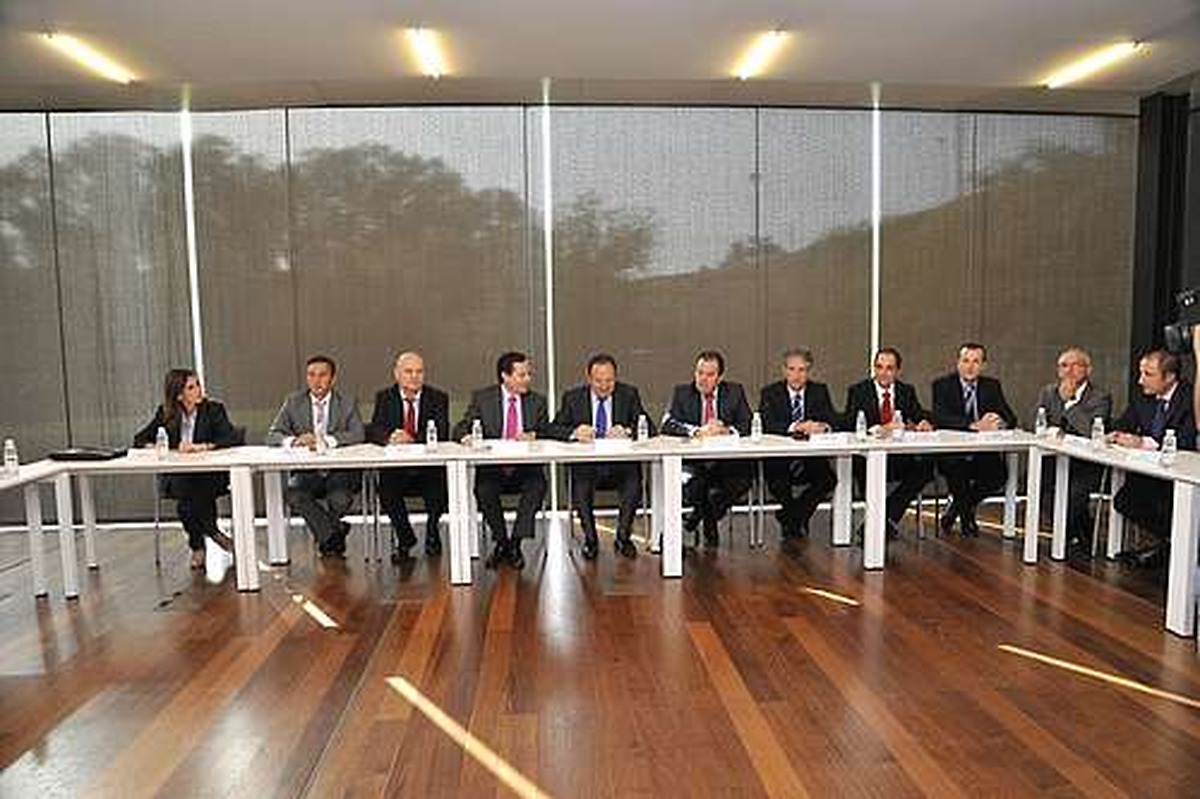

The Provincial Council of Barcelona has officially handed over a historical study of Roset castle to the Vilada council, a move that represents the first step in the monument's recovery process. The study aims to deepen understanding of the castle's history, which has been designated a Cultural Asset of National Interest (BCIN).
Conducted by the Council’s Local Architectural Heritage Service (SPAL), the research reveals that the fortification of Roset has existed since the mid-11th century, originally known as roca de Roset. The earliest record of this site dates back to 1054, when Bernat Guifré de Ça Portella, lord of Portella and Roset, granted it to Ecard Miró, who became its vassal.
The original structure was a square tower with a ground floor and two upper floors, surrounded by a moat. Between the late 12th and early 13th centuries, the roca de Roset was transformed into a fully-fledged castle. This legal transformation involved establishing a jurisdiction over the lands of the parishes of Sant Joan de Vilada and Sant Romà de la Clusa, necessitating the appointment of a bailiff to administer the area on behalf of the castle's lord. The family that held this position adopted the name Roset as their surname.
During the investigation, an inventory from 1321 belonging to Guillem Bernat de Ça Portella was discovered, confirming the existence of a granary and a house within Roset castle, possibly corresponding to the original tower. The inventory also listed three crossbows and six shields bearing the insignia of the Portella lords.
By the late 14th and early 15th centuries, members of the Roset family had become vassals of the castle. During the Catalan Civil War, a captain named Joan Viladomat was stationed at the castle, although there are no records of any battles occurring there. Following the war, the castle lost its military function and became a noble residence.
In 1596, the lord of the castle resided in Puigcerdà and had a steward living at Roset. A century later, the castle had been converted into an agricultural estate, with a tenant farmer residing there. It was not until 1800 that it was confirmed the ancient fortification had been abandoned, with a new house built nearby, known as the masía of Roset castle, which remained in operation until the 1950s.
This initiative by the Provincial Council of Barcelona aligns with the United Nations' Sustainable Development Goals (SDGs) number 8, “Decent work and economic growth,” and 11, “Sustainable cities and communities.” The 17 SDGs were proclaimed by the UN General Assembly on 25 September 2015 and form part of the global agenda for 2030. The Provincial Council of Barcelona is committed to fulfilling these goals and supports local governments in the province in accordance with these objectives.