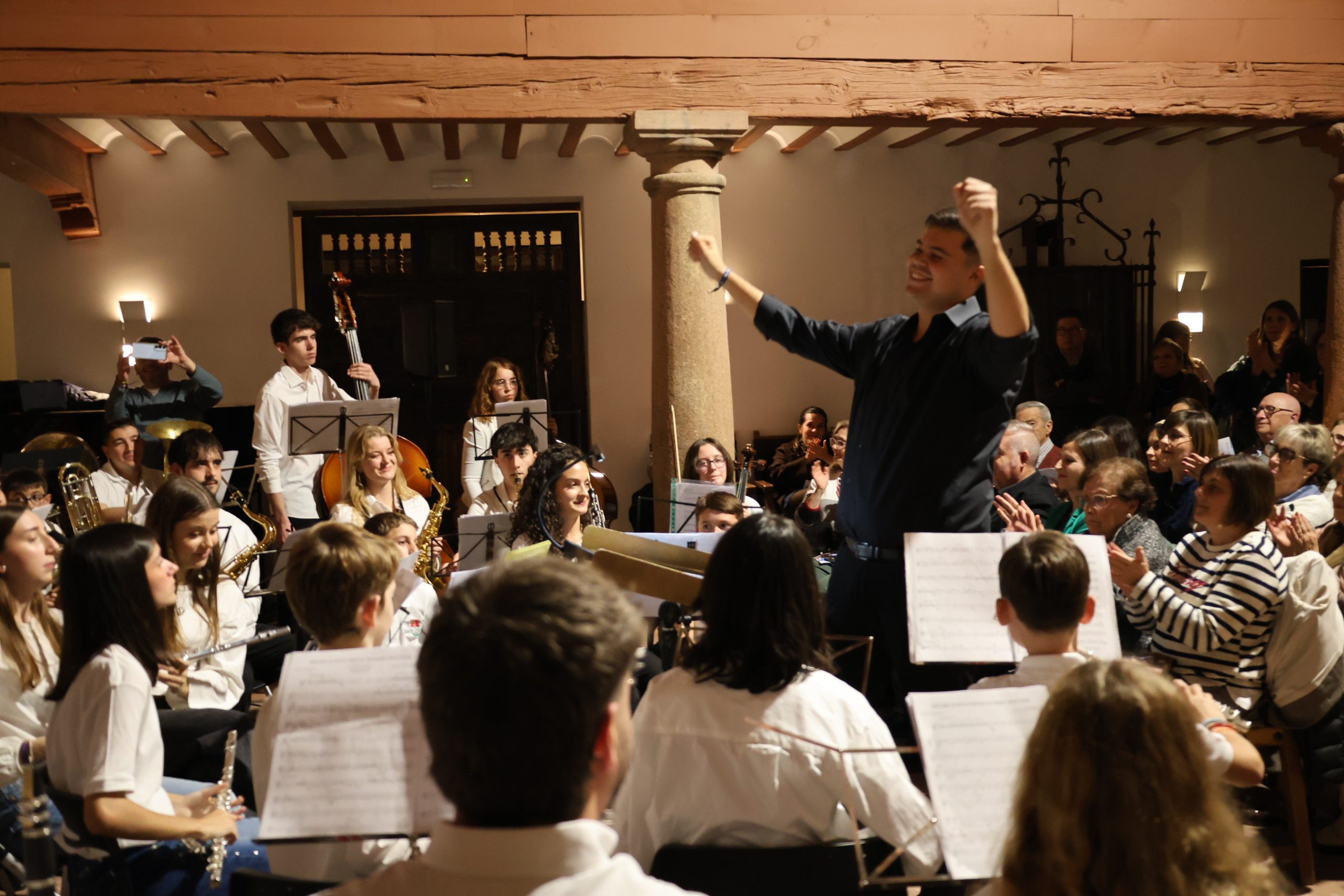

On 19 November, the Nit del Turisme de l'Anoia celebrated the achievements of 18 institutions and companies in the region for their contributions to sustainability, under the Destinació Barcelona Sostenible programme. This initiative is led by the Diputación de Barcelona and the City Council of Barcelona, in collaboration with the Barcelona Chamber of Commerce, and is managed in the Anoia region by the Consell Comarcal.
During the event, 40 companies were also awarded badges as Puntos de Información Turística (Tourist Information Points). This programme aims to support the transformation of the tourism model in the province of Barcelona, assisting businesses and entities in their transition towards more responsible practices that benefit both the environment and local communities.
The overarching goal is to establish the Destinació Barcelona as a benchmark for sustainable tourism, positioning it as an inspiring and globally recognised model. Currently, over 1,200 tourism agents throughout the province of Barcelona are part of this initiative.
The methodology of Destinació Barcelona Sostenible is built on three key pillars: individual work with professional advice for developing Improvement Plans; ongoing training in social, economic, and environmental sustainability; and collective efforts through meetings with other stakeholders in the destination.
Additionally, 40 companies in Anoia were accredited as Puntos de Información Turística, a programme that enables both public and private establishments to receive guidance and training to provide high-quality information to visitors.
The Diputación de Barcelona and the Consell Comarcal de l'Anoia are jointly developing various initiatives to promote a sustainable and high-quality tourism model in the region. Supported projects include the Via Blava Anoia and historical routes in Anoia. This initiative aligns with the United Nations Sustainable Development Goals (SDGs), specifically Goal 8, which focuses on decent work and economic growth, and Goal 11, which aims for sustainable cities and communities, as proclaimed by the UN General Assembly on 25 September 2015.