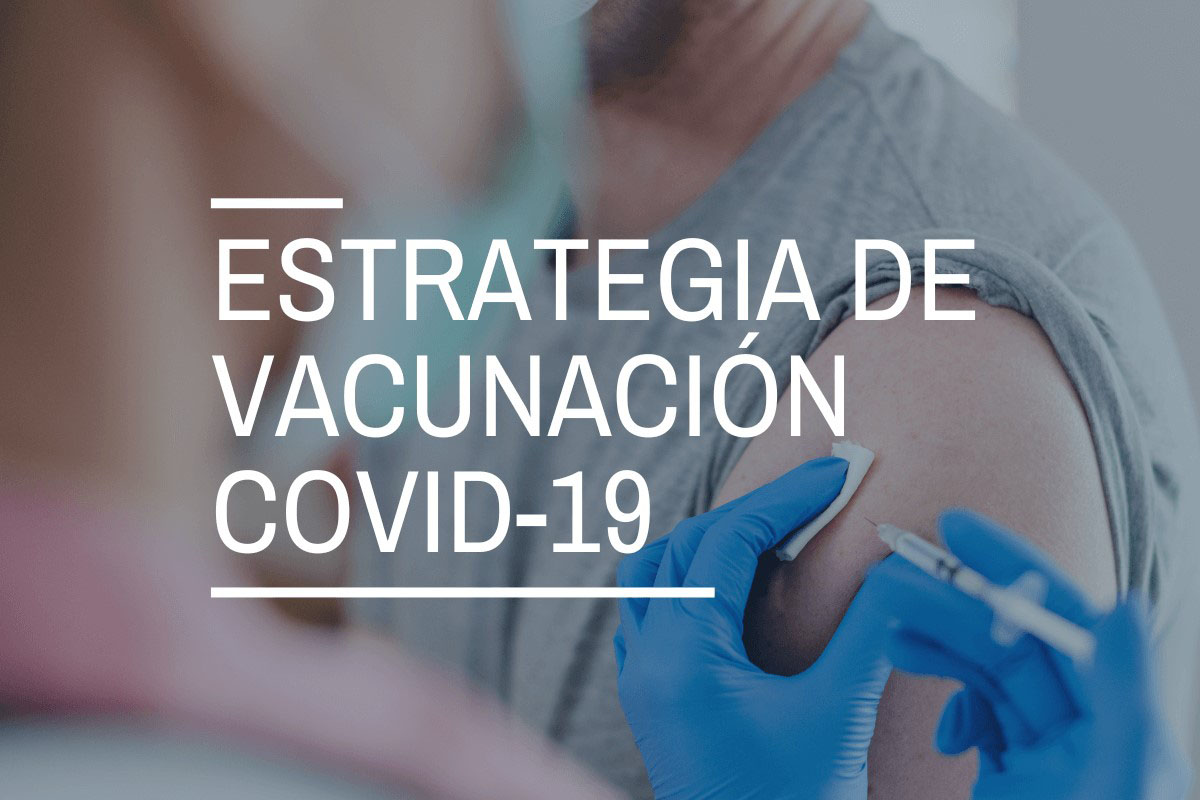
Spain has established itself as a leader in COVID-19 vaccination following the launch of a unified strategy in late 2020. This strategy is grounded in the principles of safety, efficacy, voluntariness, and accessibility of vaccines, which are provided free of charge. Currently, the emphasis is on safeguarding those groups at the highest risk of severe complications, hospitalization, or death.
The Spanish government created a dedicated website in December 2020 to provide official, clear, and updated information regarding the COVID-19 vaccination strategy, addressing public concerns about the vaccine. This article summarizes the key aspects of that strategy along with the vaccination recommendations for the 2026-2027 season.
Key elements of the COVID-19 vaccination strategy
The Interterritorial Council of the National Health System, which includes representatives from the Ministry of Health and regional governments, decided on September 9, 2020, to implement a single vaccination strategy for COVID-19 across Spain. A multidisciplinary technical working group developed this strategy, which was reviewed by scientific societies, professional associations, and patient organizations.
The government officially presented the vaccination strategy on November 24, 2020, and vaccination efforts began on December 27, 2020, across all autonomous communities. Vaccines were delivered progressively, necessitating a priority order based on the risk of severe disease and exposure.
All vaccines available in Spain have received authorization from the European Commission following favorable assessments from the European Medicines Agency. The selection of vaccines was based on their efficacy and suitability for different population groups, rather than individual choice.
As of the latest available data, over 40.7 million people in Spain have completed their vaccination schedule, representing 86% of the total population. In comparison, the global average exceeds 65%, while the European Union's average stands at 73.5%.
Experts attribute the success of Spain's vaccination strategy to several factors, including public trust in healthcare professionals, equitable access to vaccines, effective appointment systems, strong family and social connections, heightened risk perception, and a lower prevalence of anti-vaccine sentiment. These elements are explored further in this article.
Understanding COVID-19 vaccines
Vaccines work by prompting the body to produce antibodies that recognize and neutralize antigens, or foreign substances. Traditional vaccines use weakened or inactivated viruses, while newer vaccines target a specific protein of the virus, known as the spike protein, essential for the virus's entry into human cells.
Benefits of vaccination
The primary goal of vaccination is to reduce the severity and mortality associated with COVID-19, particularly among vulnerable groups. Vaccination protects individuals directly and also contributes to community immunity, reducing the likelihood of virus transmission, especially to those at higher risk.
Vaccine efficacy and safety
Authorized vaccines have demonstrated their ability to prevent illness in clinical trials and have been evaluated for their effectiveness in the general population across various age groups and risk conditions. While vaccinated individuals can still transmit the virus if infected, they typically do so at lower viral loads, reducing overall transmission.
All COVID-19 vaccines have undergone rigorous testing in clinical trials involving tens of thousands of participants to identify common adverse effects. Following successful trials, vaccines are subject to thorough evaluations by regulatory agencies before being authorized for use. In the EU, the European Medicines Agency, with input from the Spanish Agency of Medicines and Medical Devices, oversees this process. Post-authorization, vaccine safety is continuously monitored through the Spanish Pharmacovigilance System.
Vaccination recommendations for the 2026-2027 season
Unlike previous seasons, specific vaccination recommendations for COVID-19 and influenza have been established for the current season to better align with the epidemiological situation. Vaccination campaigns for both viruses will coincide in the autumn for certain high-risk groups.
This year, the following groups are prioritized for COVID-19 vaccination:
- Individuals aged 70 and older
- Residents of nursing homes and closed institutions
- Individuals aged 6 months and older with specific risk conditions
- Individuals aged 12 and older in high-risk categories
- All pregnant individuals, regardless of gestational stage
Additionally, healthcare workers and caregivers of high-risk individuals are encouraged to receive the vaccine. Vaccination is recommended regardless of previous doses received or past infections, typically administered as a single dose.
The vaccination campaign for the 2026-2027 season began in the last week of September and will continue throughout October. Each autonomous community has established its own procedures for the campaign, with the option for individuals who have not yet received the adapted vaccine to do so at any time of the year.
Public health measures for respiratory viruses
The Public Health Commission, comprising the Ministry of Health and health authorities from all autonomous communities, approved a framework document on December 3, 2025, aimed at improving responses to seasonal respiratory virus epidemics. This includes monitoring transmissibility, severity, and health impacts from multiple sources.
The document outlines four epidemiological scenarios to adapt measures accordingly:
- Inter-epidemic or baseline situation
- Low or medium-level epidemic
- High-level epidemic
- Very high-level epidemic
Common measures across all scenarios include vaccination recommendations and staff training, as well as promoting proper ventilation and hygiene practices. In inter-epidemic situations, surgical masks are recommended for symptomatic individuals, particularly when in contact with vulnerable populations.
As the epidemic level increases, additional measures, including enhanced mask usage in healthcare settings and potential adjustments to visitation policies in residential centers, may be implemented.