The Government of the Canary Islands has renewed its travel agreement for the 2026/2027 season, which will support over half a million subsidised trips for athletes across multiple sports. The agreement, signed during the ExpoDeca 2026 event, allocates more than five million euros to enhance sports mobility.
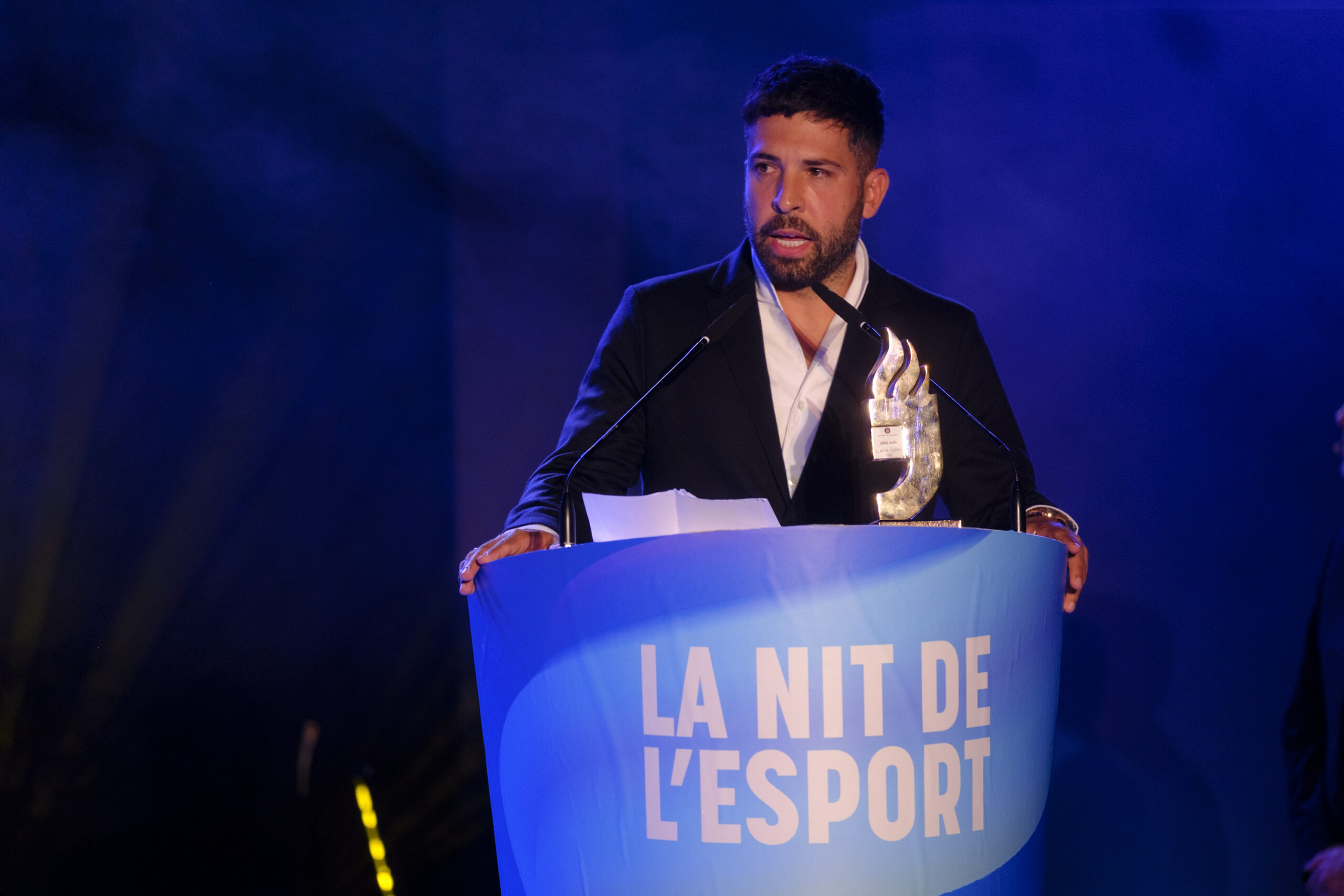
Poli Suárez, the regional Minister of Education, Vocational Training, Physical Activity and Sports, formalised the renewal of travel protocols with federations representing football, basketball, handball, volleyball, swimming, canoeing, and traditional Canarian wrestling. The event took place in Las Palmas de Gran Canaria, where ExpoDeca 2026 is being held until Sunday.
The travel protocols, initiated by the regional sports department, have significantly improved how clubs and federations manage their travel arrangements both within and outside the islands. This system has enabled thousands of athletes to participate in official competitions without their clubs needing to advance travel costs, promoting equal opportunities and aiding in the planning of sports seasons.
Since its inception, the programme has subsidised over 500,000 individual trips, with 205,850 of those occurring during the 2025/2026 season. Throughout this period, the seven protocols mobilised resources exceeding five million euros, aimed at facilitating the participation of Canary Islands clubs and athletes in official competitions.
The signing ceremony was attended by Ángel Sabroso, the Deputy Minister of Physical Activity and Sports, along with María Rojas and Lorena Hernández, the Directors General of Physical Activity and Sport and Traditional and Indigenous Sports, respectively, as well as representatives from the signing federations.
The agreements were signed with the inter-island football federations of Las Palmas and Tenerife, led by Juan José Arencibia and Alejandro Morales, respectively, as well as federations for basketball, handball, volleyball, swimming, canoeing, and traditional wrestling.
Federation leaders expressed gratitude for the support from the Government of the Canary Islands, emphasising the importance of maintaining agreements that provide stability in sports planning, facilitate competition participation, and allow clubs to allocate resources to other operational needs.
Poli Suárez acknowledged the collaboration and commitment of the federations, stating that they have been crucial in establishing a system that eases the burden on clubs and athletes. He highlighted that these protocols enable clubs to avoid upfront travel costs, allowing athletes to focus on training and competition.
Suárez also noted the unique challenges of mobility in the Canary Islands, vowing to continue addressing the difficulties posed by insularity and ensuring all athletes have opportunities to pursue their activities, regardless of their island of residence.
The figures underscore the significance of a model that facilitates participation of Canary Islands clubs in regional, national, and international competitions while also contributing to economic activity linked to travel agencies and related services. Additionally, the Government's support for sports travel extends to other sports without specific protocols through an annual grant programme aimed at aiding clubs, organisations, and individual athletes in competitions and sports activities. This funding line has an annual allocation of approximately 2.5 million euros, bringing the total annual investment by the Ministry in sports travel to around 7.5 million euros.
In this way, the Ministry maintains two complementary support channels to ensure that the entire Canary Islands sports community can access funding to cover mobility costs and continue developing their competitive activities.