The latest edition of the ‘Tradition and Culture’ collection, published by the Diputación de Albacete, showcases five traditional stories adapted into audio fiction format, complete with original illustrations. Titled ‘The popular tales in the oral tradition of Albacete’, this publication highlights narratives passed down through generations, sourced from research conducted by the Instituto de Estudios Albacetenses (IEA) and the popular traditions magazine ‘Zahora’.
Historically, these tales were shared verbally, travelling from grandparents to grandchildren, from one household to another, and between villages. They thrived without the need for written texts, finding refuge in memory and spoken word. These stories, rich in ingenuity, fantasy, humour, and popular wisdom, are integral to the intangible cultural heritage of Albacete.
Features of the new publication
The 41st edition of the audiovisual collection ‘Tradition and Culture’ aims to recover five traditional tales through contemporary audio adaptations, enhanced by specially created illustrations. This initiative is part of the Cultural Heritage programme by the Diputación's Education and Culture Service, which focuses on collecting, preserving, and promoting traditional cultural expressions in the province.
This selection includes five stories that are staples of Albacete's narrative repertoire: ‘El Diablo Burlado’ (The Bamboozled Devil), ‘El Pavero’ (The Birdcatcher), ‘El Mono Titiritero’ (The Puppeteer Monkey), ‘La Señorita de la Albahaca’ (The Young Lady of Basil), and ‘El Lagarto Encantado’ (The Enchanted Lizard). These tales feature a blend of fantastical and everyday characters, absurd situations, challenges, deceptions, lessons, and surprising conclusions.
Artistic contributions
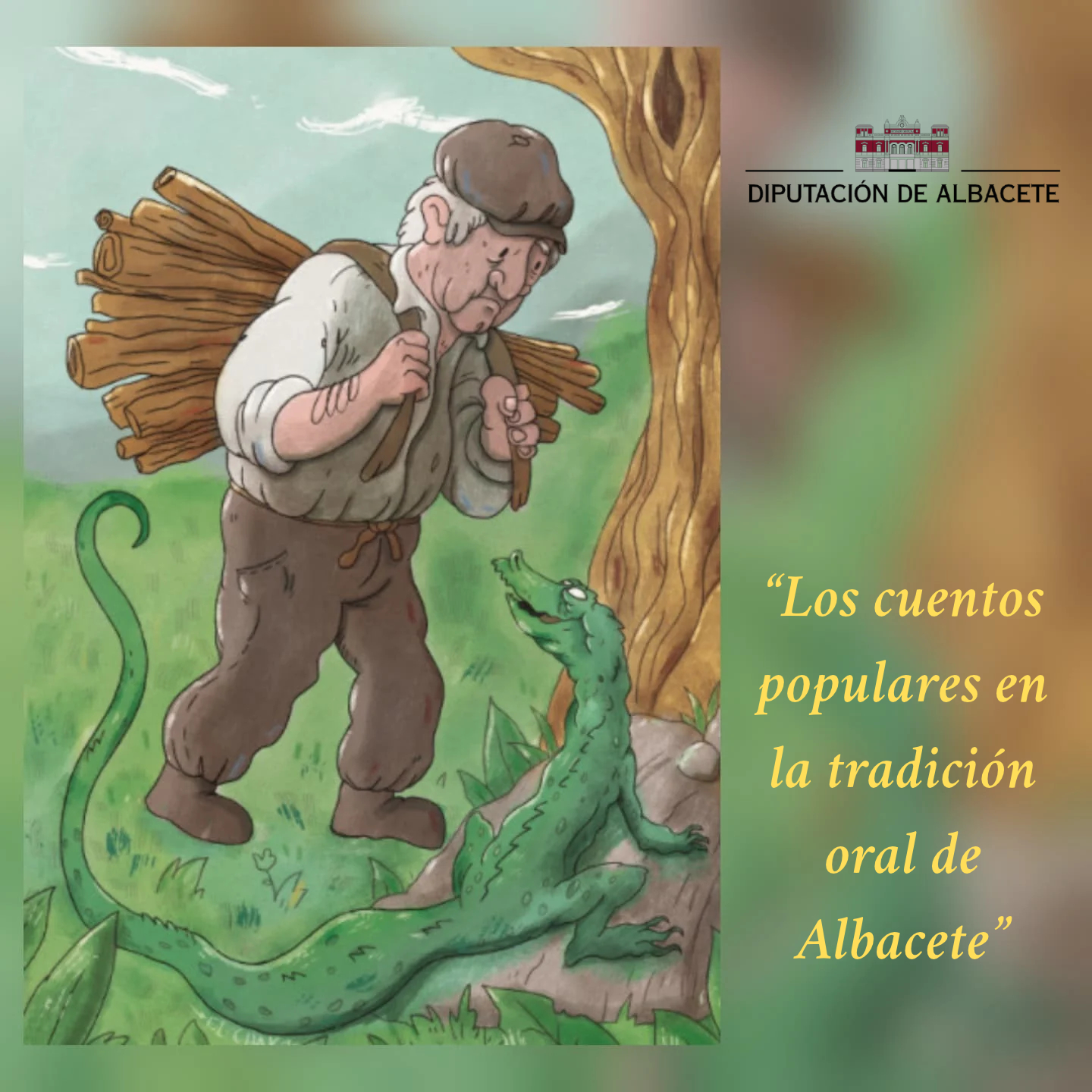
The adaptation and production of the tales were overseen by Carlos Tolmo, featuring voice performances by Laura Carrero del Tío, Pablo Ibáñez, Diego Rousselon, and Tolmo himself. The musical score was composed by Pablo Sancha, while original illustrations were created by Borja Chacón Honorato, known as ‘El Chak’, providing a visual interpretation of the characters and settings from the stories.
Additionally, the publication includes an introductory text by Antonio Flores Martínez, discussing the significance of oral storytelling as intangible cultural heritage and the potential of audio fiction in its preservation and transmission.
Preserving cultural heritage
Oral tradition is a vital component of intangible cultural heritage, recognised under UNESCO's convention for safeguarding such practices. Tales, legends, songs, proverbs, and other forms of oral expression help preserve knowledge, linguistic styles, shared experiences, and elements of collective memory. By recovering these popular tales, the publication documents linguistic expressions, colloquialisms, and narrative forms that serve as testimonies to the culture of various generations.
Notably, the publication retains certain words from the original oral narratives, thus preserving the linguistic uniqueness of the collected stories. The 41st edition of ‘Tradition and Culture’ is designed as a cultural and educational resource, available in DVD format for libraries, popular universities, and other institutions, as well as for those interested in literature and popular traditions.
This new release enriches the documentary and audiovisual heritage of the province, incorporating five stories that have found their place in the voices of storytellers and the imaginations of listeners for generations. These popular tales are not merely relics of the past; they offer insights into how previous generations spoke, imagined, entertained themselves, and imparted wisdom. Preserving them allows these voices to reach new audiences.