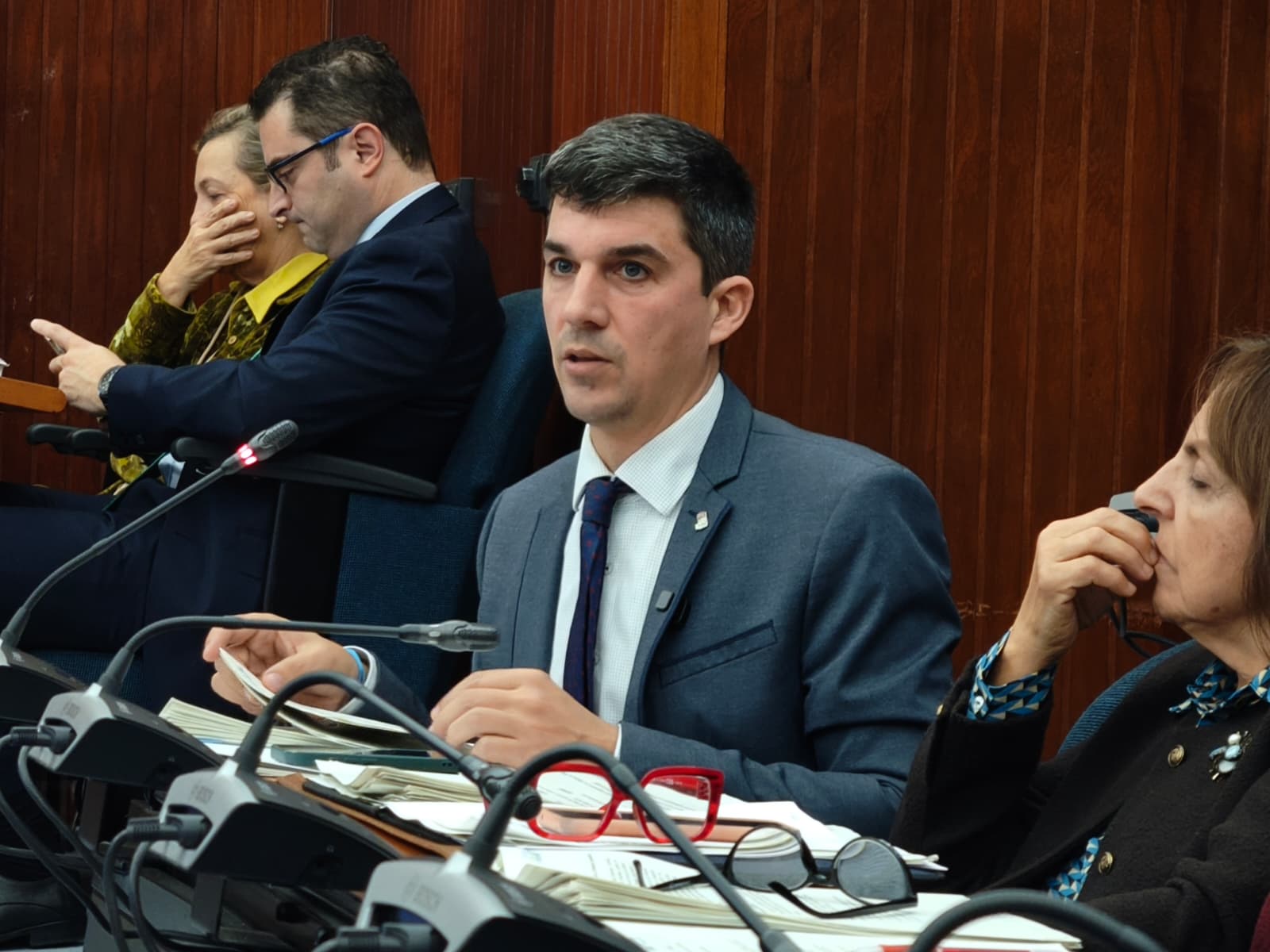
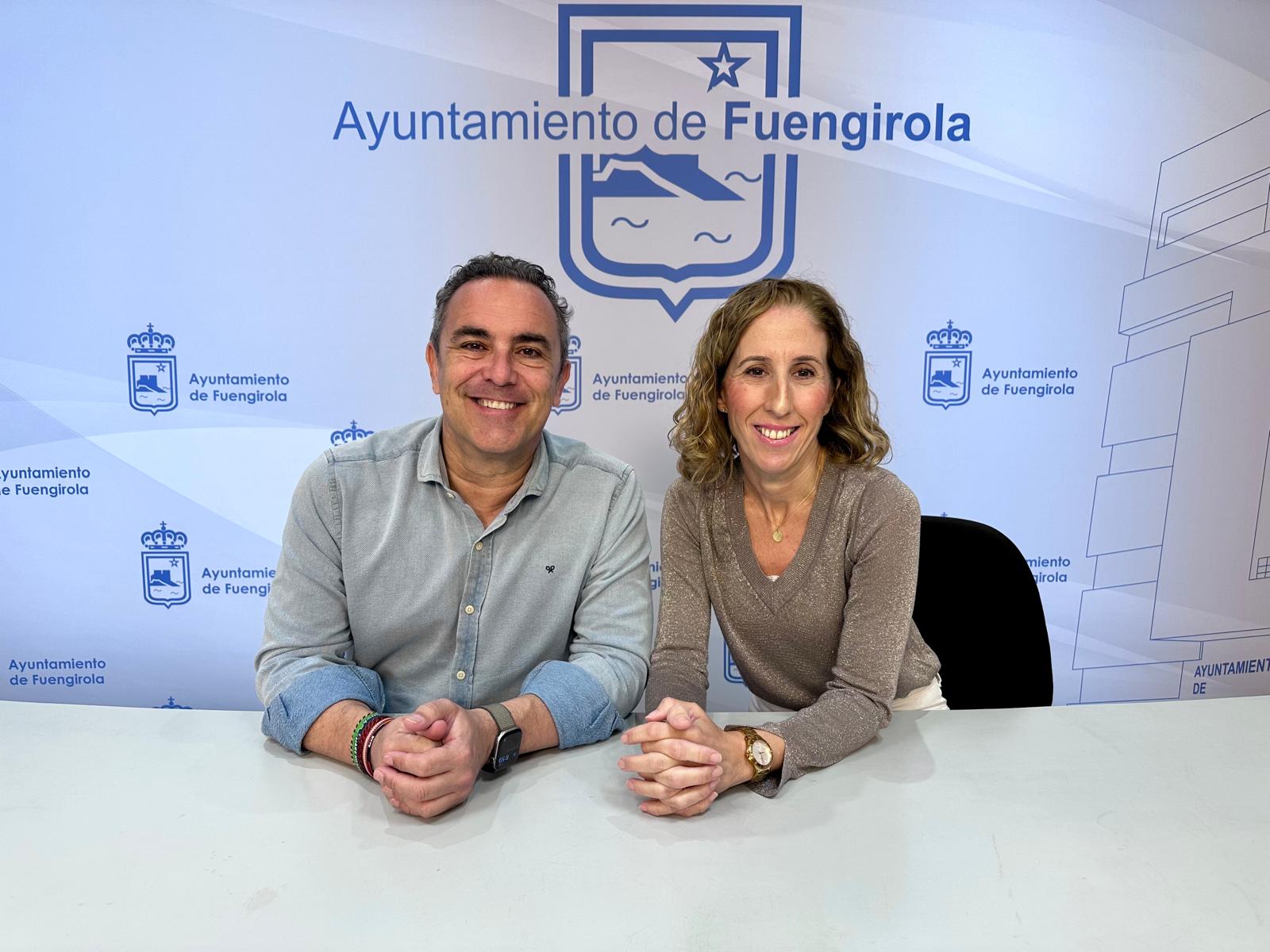
The Fuengirola City Council is enhancing the understanding of the city's history and archaeological heritage among schoolchildren through a new educational programme aimed at local educational institutions. Culture and Education Councillors, Rodrigo Romero and Carmen Díaz, presented the initiative, encouraging schools that have not yet registered to participate throughout the academic year.
The programme includes visits to three key sites: Castillo Sohail, Finca del Secretario, and the Roman Baths of Torreblanca. These locations are essential for understanding the various civilisations that have inhabited Fuengirola and left their mark on its history.
“We are committed to ensuring that children and young people discover our archaeological heritage and learn about the history of Fuengirola. We want them to feel proud of the city they live in and all that we have,”
Romero emphasised the educational value of this initiative, noting that “it is not the same to study history in a classroom with a textbook as it is to directly experience how life was in different eras.” He highlighted that Fuengirola has been home to significant Mediterranean civilisations, including the Phoenicians, Romans, and Arabs, whose historical legacies can still be explored today.
“We want schoolchildren to know these spaces, but also to become ambassadors of our history. If they discover and enjoy them, they are likely to encourage their parents, grandparents, siblings, and friends to visit,” he added.
Carmen Díaz explained that the initiative is well-received each year, allowing “hundreds of students from various schools and institutes in Fuengirola to visit Finca del Secretario, Castillo Sohail, and the Roman Baths of Torreblanca in a staggered manner throughout the year.”
The activity is structured in two parts. Initially, Ramón Hiraldo, the visit coordinator, travels to educational centres to deliver an informative talk about the local heritage. Following this, students typically visit the chosen site on the same day to see the historical remains and elements they have studied firsthand.
Díaz noted that information about this initiative was sent to educational centres last September, and registrations are currently underway. Each school organises its participation based on the curricular programming of each term, selecting dates that best suit their needs.
“This is one of the activities that generates the most enthusiasm among both teachers and students. Our young people must know where we come from and the origins of our city,”
Díaz encouraged schools that have not yet joined to take part in this initiative and seize the opportunity to connect their students with Fuengirola's historical heritage. She also highlighted the collaboration between the Education and Culture departments, which work together throughout the year to promote educational and cultural proposals that are well-received by the school community.