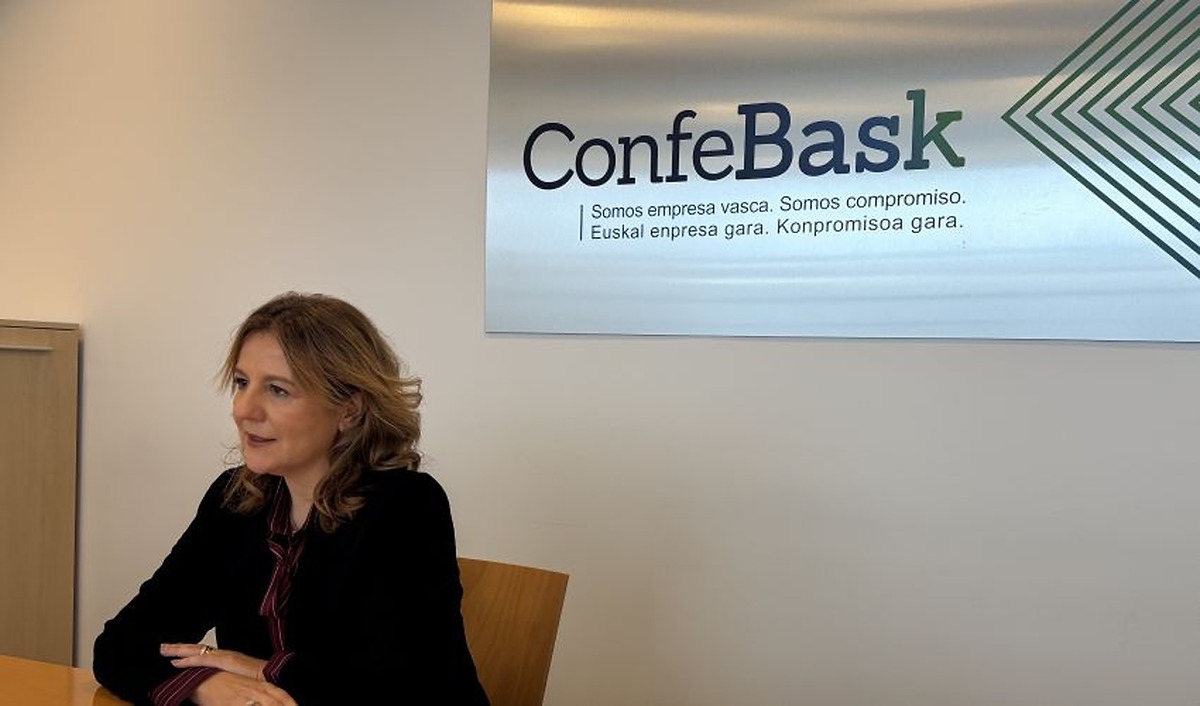
Euskadi is facing a critical challenge that requires the implementation of a Basque talent strategy, according to Tamara Yagüe, president of Confebask. The region's businesses are struggling to find the personnel they need, which poses a threat to economic growth and overall well-being.
Yagüe highlighted the findings of the report 'Demographic Challenge and Competitiveness in Euskadi', recently presented by Confebask, which reveals that without timely intervention, the region could experience a net deficit of 240,000 workers by 2035. This shortfall would account for 22% of current employment and could result in a loss of €22 billion in GDP and nearly €1.3 billion in income tax revenue.
The report indicates that 91% of Basque companies are currently facing recruitment difficulties, exacerbated by an ageing population and a mismatch between education and business needs. Additionally, technological transformation, energy transition, and international competition for skilled professionals are raising the stakes.
To address these issues, Confebask, in collaboration with Adegi, Cebek, and SEA, proposes action on four complementary fronts: shared governance, employment-focused immigration, talent generation, and local talent activation.
Shared governance and immigration policies
The first focus is on shared governance to overcome fragmented efforts. This entails ongoing coordination among institutions, business organisations, and other key stakeholders to ensure that decisions align with real needs. The second aspect involves implementing active immigration policies aimed at employment, including dynamic lists of hard-to-fill occupations and streamlined academic recognition processes.
Yagüe stressed the importance of creating a welcoming environment for international talent, which includes not only competitive salaries but also opportunities for professional development, housing access, and educational services for families.
Talent generation and local activation
The third pillar is talent generation, which necessitates better alignment between vocational and university education and the evolving needs of businesses. Enhancing dual training and promoting scientific and technological vocations are essential steps. Furthermore, early planning is crucial to mitigate future discrepancies between educational offerings and business demands.
Finally, the strategy aims to foster local talent activation, acknowledging that Euskadi retains most of the talent it trains, though some qualified professionals leave for job opportunities elsewhere. The report suggests creating career opportunities and retention measures for early-career professionals, as well as reskilling unemployed individuals for sectors facing shortages.
Confebask advocates for a comprehensive Basque talent strategy that not only bolsters competitiveness but also provides opportunities for individuals. The urgency of this challenge calls for shared ambition and responsibility to secure the future economic and social landscape of Euskadi.