Minister of Territorial Policy and Democratic Memory, Ángel Víctor Torres, presided over an annual tribute event at the National Auditorium, where 22 declarations of Recognition and Reparation were awarded to individuals and groups who suffered repression, murder, or exile during this historical period in Spain.
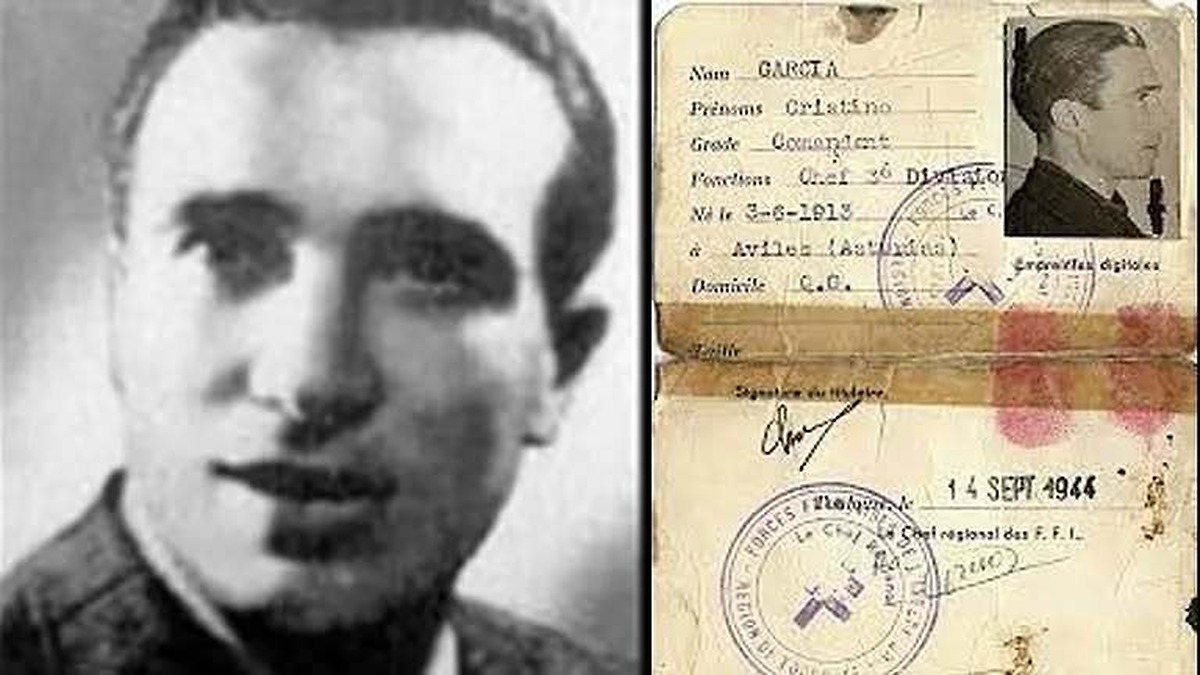
Among the honourees were notable figures such as Aurora Picornell, a Mallorcan symbol of workers' rights and feminist commitment; poet José Bergamín, who spent over three decades in exile due to his beliefs; the Amical de Mauthausen Association, recognised for its significant contribution to the preservation of democratic memory; and Cristino García Granda, an Asturian trade unionist and anti-Franco guerrilla.
Notable recognitions
The following are some of the biographies of the 22 individuals and groups awarded by the Ministry of Territorial Policy and Democratic Memory:
- Cristino García Granda: Born in Gozón (Asturias), he was a Spanish communist trade unionist and anti-Franco guerrilla who fought in the Spanish Civil War and later joined the French Resistance during World War II. He was executed in 1946.
- Aurora Picornell Femeniás: A seamstress and trade union leader from Palma, she was a prominent figure in the Communist Party during the Second Republic. She was executed in 1937 at the age of 24.
- Francisco Rodríguez Betancor: A socialist mayor from Las Palmas, he was executed in 1936 after fleeing to the mountains following the coup.
- The 15 Roses of Grazalema: A group of women who were detained and executed in 1937 for refusing to provide information about their families.
- Ramon Rubial Cavia: Former president of the PSOE and a significant figure in Spanish socialism, he was imprisoned for nearly two decades during the dictatorship.
- Julia Hidalgo Argüeso: An antifascist activist who was tortured and imprisoned during the Franco regime.
- Víctor Díaz-Cardiel: A metalworker and long-time communist activist, he served time in prison during the dictatorship.
- María José Picó Robles: President of the Association of Victims of Alicante, she advocates for the truth about her twin sister's disappearance in 1962.
- José Bergamín Gutiérrez: A writer and prominent intellectual who was exiled for his opposition to Franco's regime.
- María Vázquez Suárez: A Galician teacher executed in 1936 for defending secular education and women's rights.
- Justicia Democrática: A clandestine association of judges and legal professionals advocating for democracy during the Franco era.
- José María de Llanos Pastor (El Padre Llanos): A Jesuit priest known for his social activism in working-class neighbourhoods.
- Amical de Mauthausen: An association founded in 1962 by former Spanish deportees to remember victims of Nazism.