Vaccination against influenza is crucial for reinforcing the protection of vulnerable populations and reducing the strain on healthcare systems. Each year, health experts in Spain assess the epidemiological landscape to provide updated vaccination recommendations.
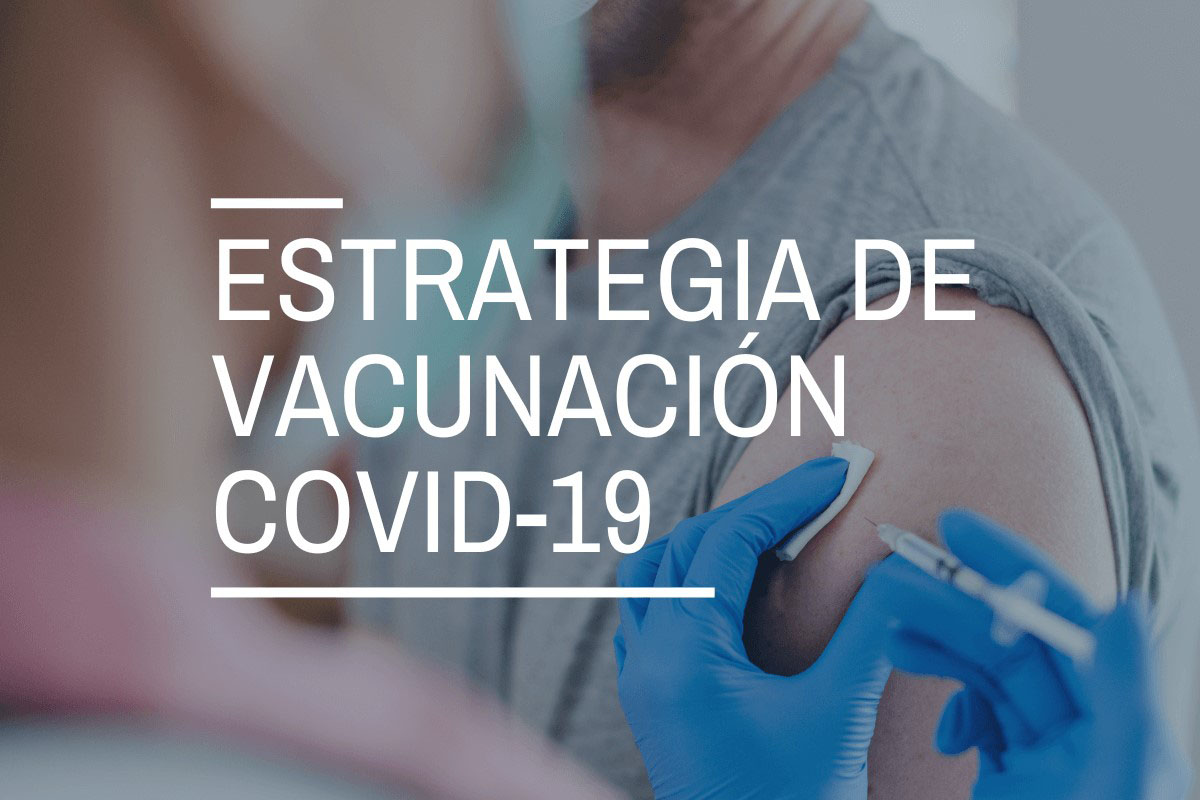
Since the 2021-2022 season, influenza vaccinations have coincided with COVID-19 vaccinations. However, for the 2025-2026 season, the Public Health Commission of the National Health System recommended separate vaccination campaigns for influenza and COVID-19 due to differing epidemiological situations for each virus. These recommendations may be revised as the situation evolves.
Why is influenza vaccination recommended?
Vaccination is the most effective method for preventing the impact of influenza. A study from the Carlos III Health Institute reported that between October 2024 and May 2025, influenza resulted in over 33,000 hospitalizations, 1,800 admissions to intensive care units, and 1,800 deaths in Spain. The goal of vaccination is to protect vulnerable individuals and reduce the overall impact of infections on healthcare capacity.
Annual vaccination is necessary due to the molecular structure of the virus, which changes over time, allowing it to evade prior immunity from vaccinations or infections. Additionally, the immune response diminishes over time, necessitating regular vaccination to maintain adequate protection.
Are influenza vaccines safe?
Yes, influenza vaccines have a high safety profile. As with all medications, they can cause adverse reactions, typically mild and temporary, such as inflammation and pain at the injection site, fever, malaise, or muscle pain, which usually resolve within 48 hours. Detailed information about the vaccines can be found on the Spanish Agency of Medicines and Medical Devices website.
Recommended vaccination groups for the 2026-2027 season
The health authorities recommend vaccination for four main groups:
- Individuals at higher risk of complications: People aged 60 and older, children aged 6 to 59 months, individuals aged 5 to 59 with risk conditions (e.g., residing in closed institutions, chronic diseases, immunosuppression), all pregnant women, and those receiving long-term treatment with acetylsalicylic acid.
- Essential community services: Healthcare and social care personnel, emergency service workers, and law enforcement officials.
- Individuals who may transmit influenza to vulnerable populations: Home caregivers and close contacts of high-risk individuals, as well as healthcare students and pharmacy staff.
- Other at-risk groups: Children in early education settings and individuals with occupational exposure to animals.
Vaccination campaign timeline
The vaccination campaign commenced in the last week of September and continues throughout October. Each autonomous community in Spain has established its own procedures for administering the vaccine, which will remain available until the end of the season.
Vaccine dosage and protection timeline
Typically, a single dose of the influenza vaccine is administered, including for children aged 6 to 59 months receiving their first vaccination. Protection develops gradually, becoming significant within the first week and reaching optimal levels approximately two weeks post-vaccination.
Other preventive measures against influenza
In addition to vaccination, experts recommend several preventive measures to reduce respiratory infections:
- Cough or sneeze into the elbow or a disposable tissue.
- Wash hands frequently, especially after coughing or sneezing.
- Avoid close contact with others if experiencing symptoms of influenza.
- Do not reuse tissues used for sneezing or nasal cleaning.
- Wear a mask if experiencing respiratory symptoms, particularly around vulnerable individuals.
- Ensure proper ventilation in crowded indoor spaces.
Measures agreed upon for respiratory viruses in the 2026-2027 season
The Public Health Commission, comprising the Ministry of Health and health departments from all autonomous communities, approved a Framework Document of Recommendations for controlling Acute Respiratory Infections on December 3, 2025. This document aims to enhance responses to seasonal respiratory virus epidemics through continuous monitoring of transmissibility, severity, and healthcare impact.
The document outlines four scenarios to adapt measures according to the evolving epidemiological situation:
- Interepidemic or baseline situation
- Low or medium-level epidemic
- High-level epidemic
- Very high-level epidemic
Measures are to be implemented progressively, ensuring that recommendations from previous levels are maintained. Common measures across all scenarios include vaccination recommendations and staff training, alongside promoting proper ventilation and hygiene practices.
In the interepidemic scenario, individuals with respiratory symptoms are advised to wear surgical masks, particularly when in contact with vulnerable persons. In low or medium-level epidemics, inter-institutional coordination and active communication with the public are emphasized. In high-level epidemics, plans for continuity of care will be adapted, and widespread mask use in healthcare settings will be recommended. In very high-level epidemics, extraordinary coordination between regions may lead to exceptional measures to control transmission among particularly exposed groups.