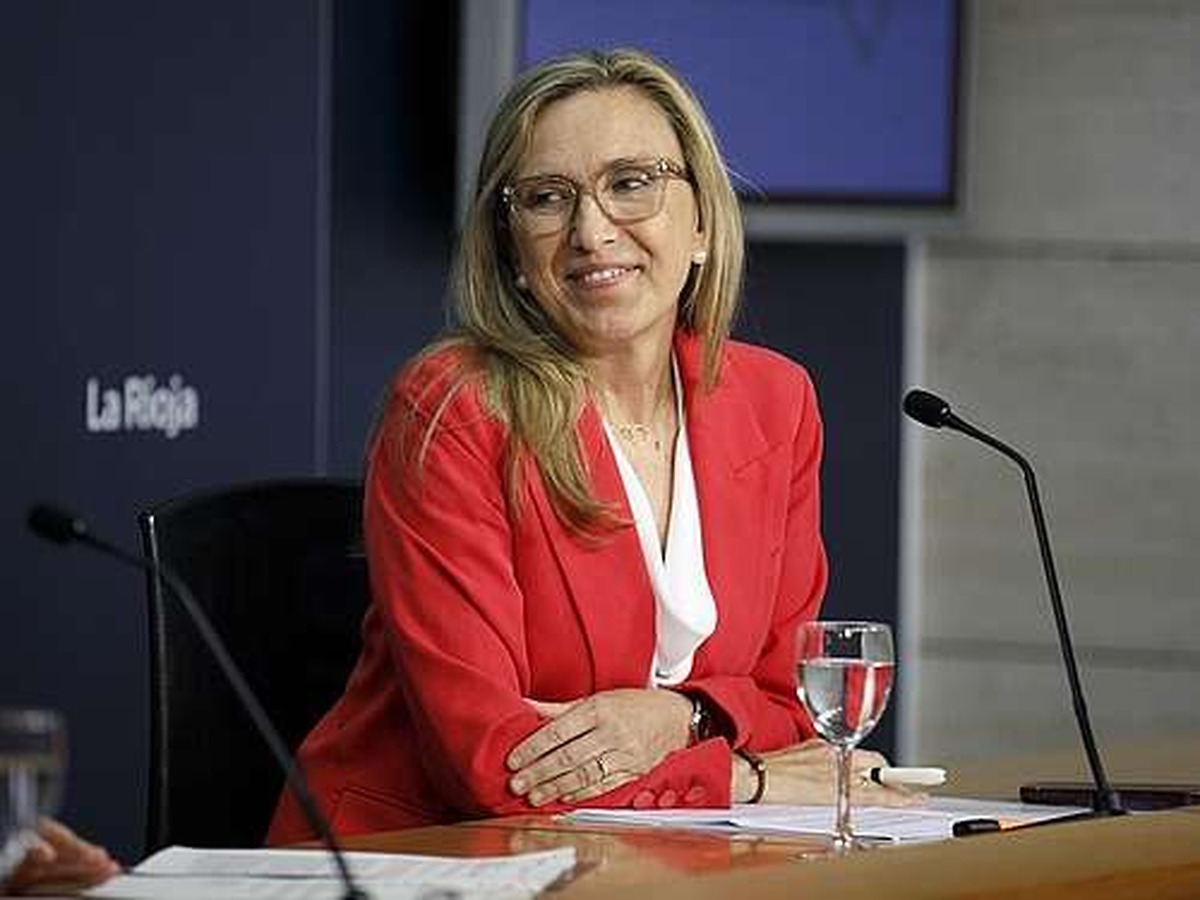
María Jesús Pelayo, the first vice president of the Diputación de Ciudad Real and head of the Cultural and Tourist Promotion Area, has underscored the vital role that popular universities play in the conservation and transmission of culture, citizen participation, and the revitalisation of small municipalities. Speaking at the 'Las Tardes del Quijote' event in Cinco Casas, Pelayo asserted that these institutions are essential for keeping villages alive, fostering social relationships, and strengthening a cultural identity closely linked to the legacy of Miguel de Cervantes.
The event, organised by the Provincial Diputación as part of the Legado Quijote programme, took place in the Municipal Hall of Cinco Casas and was attended by the mayor, Almudena Moya, along with local residents. The gathering combined humour, art, and recognition of individuals contributing to the cultural development of the municipality.
Pelayo explained that the primary aim of this initiative is to instil pride and broaden knowledge of Cervantes' heritage, extending beyond literary works to include local traditions, landscapes, and especially the people inhabiting the La Mancha region. She highlighted that Cervantes' legacy is not confined to his books and characters but is integral to the collective identity of La Mancha and its inhabitants.
She stressed the importance of cultural activities reaching smaller towns, where they help create meeting spaces, promote coexistence, and maintain accessible cultural programming. Pelayo also noted the significant history of popular universities, of which there are 98 in Ciudad Real, and expressed gratitude for the efforts of their teachers, facilitators, and students.
These institutions not only provide access to education and knowledge but also create opportunities for social participation, enabling residents to share experiences and activities. Pelayo emphasised that popular universities are cultural transmitters and praised their ability to generate daily activities in municipalities, particularly smaller ones.
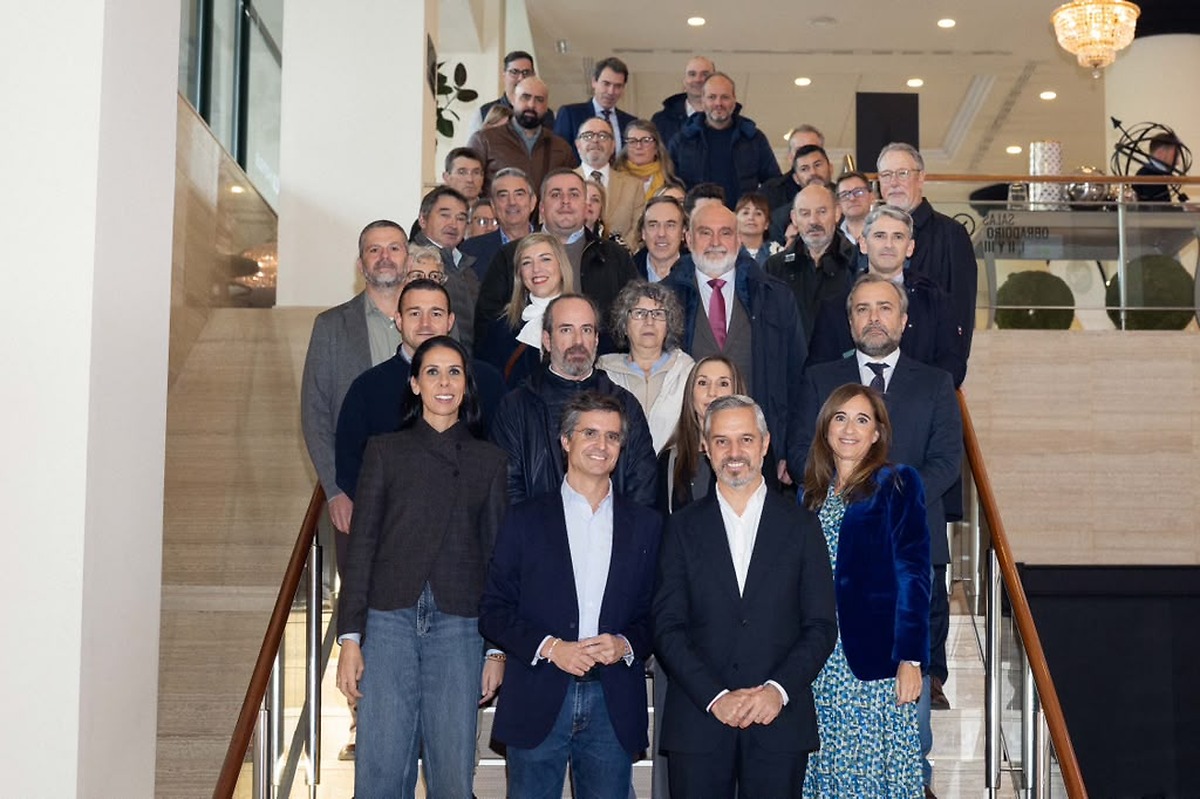
Last year, the Diputación organised educational activities related to Cervantes' works, and this time, it aimed to specifically recognise individuals who contribute to the functioning of these cultural spaces. In Cinco Casas, the tribute was dedicated to twelve students, facilitators, and collaborators from the Popular University, selected by the Town Hall in recognition of their dedication to the cultural life of the locality.
Pelayo explained that local councils are best positioned to understand the involvement and contributions of individuals participating in these initiatives, thus making them the appropriate bodies to propose recognitions. The event was hosted by local comedian Agustín Durán, who offered a humorous take on the culture and traditions of La Mancha, blending references to Cervantes' universe with stories linked to the identity of the towns.
Simultaneously, local painter María del Carmen Sepúlveda created a live artwork inspired by the surroundings of Cinco Casas, referencing some of its most representative spaces. This initiative allowed the audience to engage with the artistic creation process and established a connection between local heritage and the landscapes associated with Cervantes' work.
Pelayo noted that 'Las Tardes del Quijote' will visit twelve municipalities across the province, highlighting the positive reception of the first event held in Almuradiel the previous week, which attracted over 120 participants. She believes that the combination of humour, cultural dissemination, and community interaction can spark curiosity about Cervantes' works and make them accessible to audiences who may not have had direct contact with them.
Regarding the province's tourism potential, Pelayo argued that identity is one of the main values of any territory. She pointed out that Ciudad Real possesses a unique Cervantine heritage that deserves to be known, acknowledged, and promoted. Among the notable references she mentioned are the Medrano Cave in Argamasilla de Alba, the windmills of Campo de Criptana, the gastronomy linked to Don Quixote, and the baptismal certificate of Miguel de Cervantes preserved in Alcázar de San Juan. These elements, she indicated, contribute to forming a distinct identity and offer opportunities to showcase the province through its history, culture, and heritage.
During the event, attendees received a facsimile reproduction of Cervantes' baptismal certificate, preserved in Alcázar de San Juan, aimed at promoting awareness of this historical document and expanding knowledge of the province's Cervantine connections. Pelayo considered that initiatives like 'Las Tardes del Quijote' serve to unite two complementary objectives: strengthening the sense of belonging among the province's inhabitants and projecting a recognisable cultural identity built upon literature, heritage, and La Mancha's traditions.
The activity concluded with the distribution of gifts from Legado Quijote and a communal snack among participants, fostering an atmosphere of gathering and recognition for those who help keep the cultural life of Cinco Casas vibrant. The programme will continue with upcoming events in Arenas de San Juan and Arenales de San Gregorio, as part of a provincial tour designed to bring Cervantine heritage closer to smaller municipalities and acknowledge the work of their popular universities.