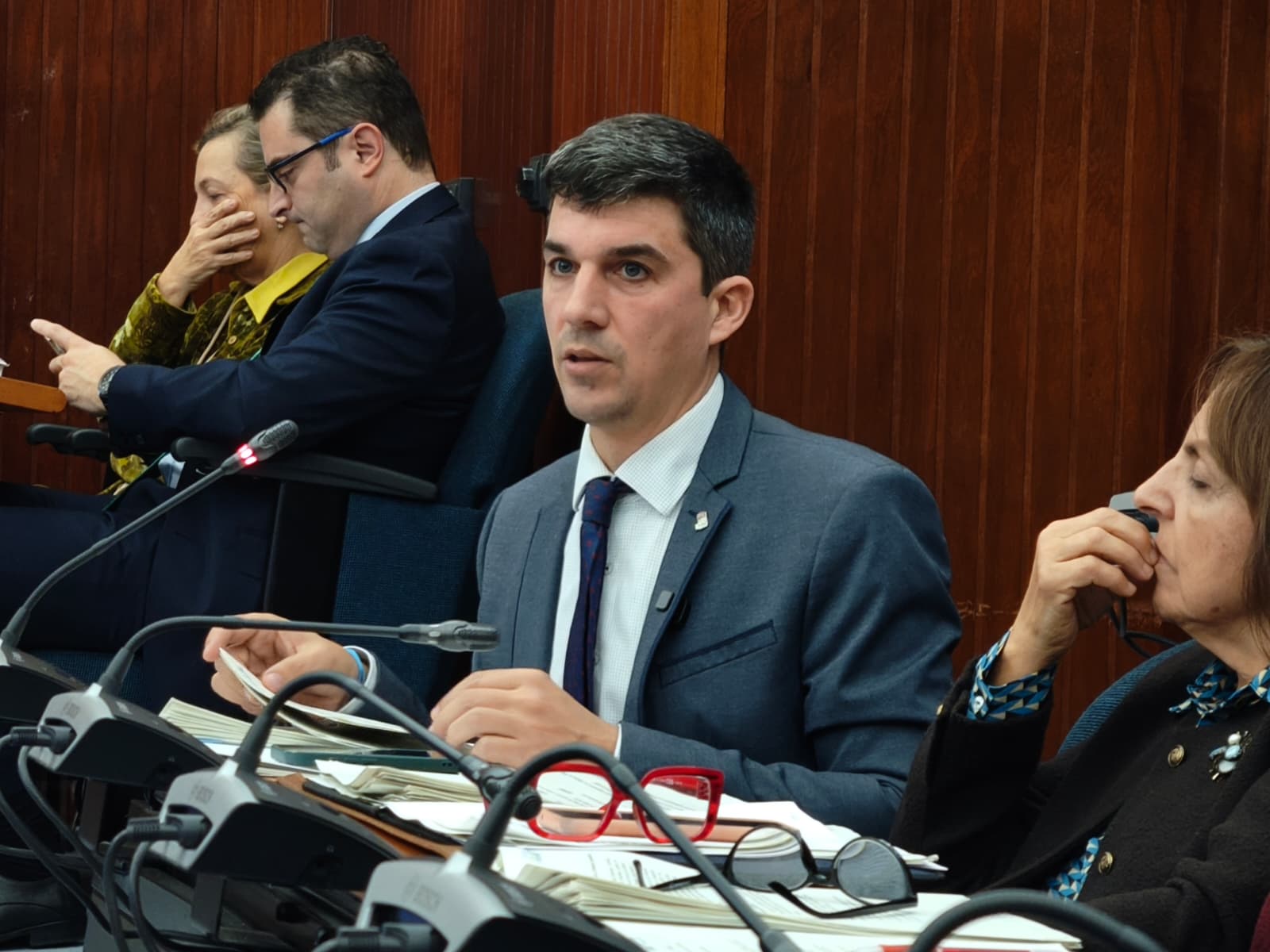
Darío Villagrasa, the cultural spokesperson for the Socialist Parliamentary Group in the Cortes of Aragón, has demanded that the government led by Jorge Azcón explain its failure to secure hundreds of thousands of euros allocated to the cultural sector. He also called for an end to the use of Sijena's cultural assets as a political tool against the PSOE.
Villagrasa's comments come in response to statements made by Mar Vaquero, the regional vice president and Minister of Culture, whom he urged to cease political confrontations and focus on improving funding for culture and Aragonese heritage.
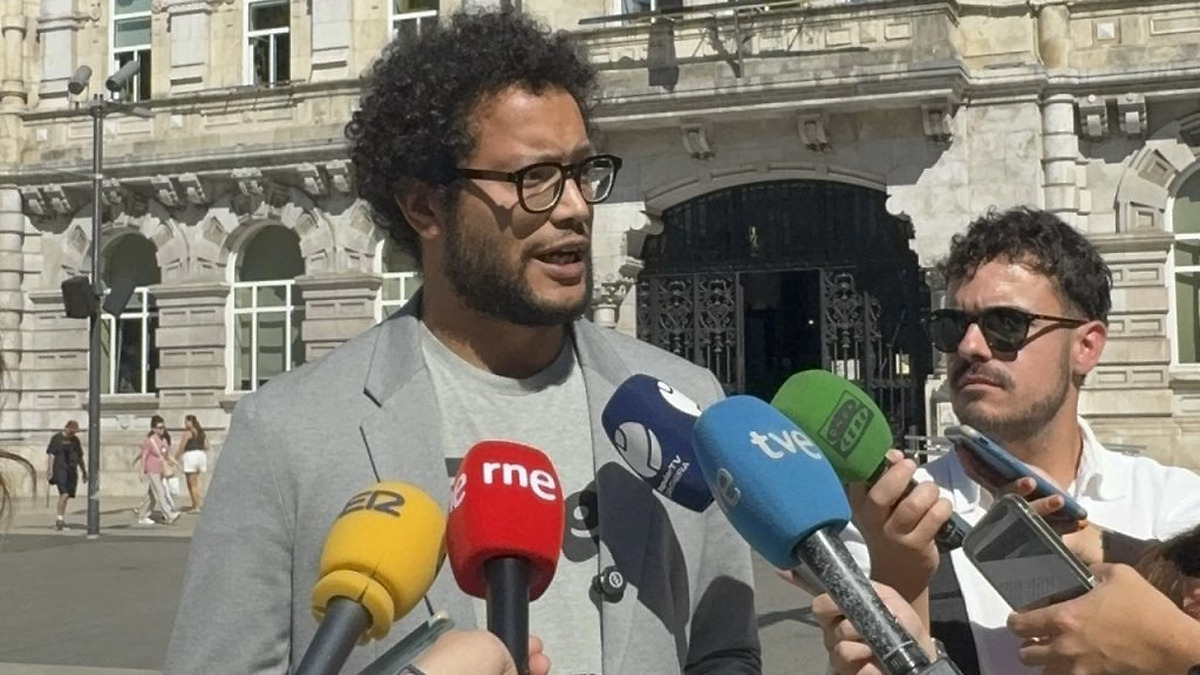
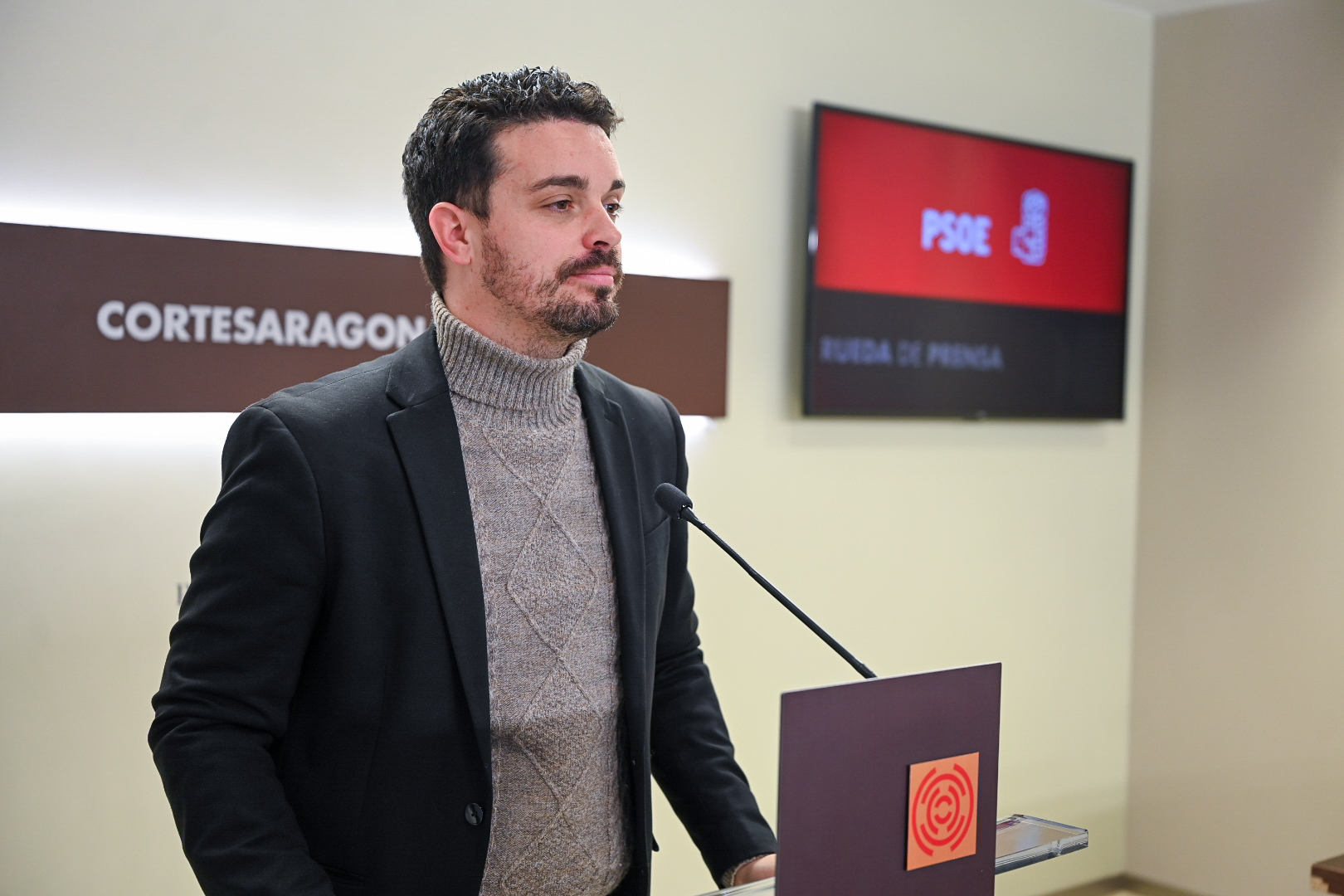
During a press conference held at the Cortes of Aragón, Villagrasa highlighted that Azcón's government allowed €740,000 earmarked for cultural initiatives to go unutilised in 2025, with an additional €636,000 currently at risk in the present fiscal year. He noted that despite an increase of €1.335 billion in the regional budget, only €2.1 million has been allocated to heritage rehabilitation and investments.
Villagrasa suggested that these figures should prompt the Popular Party (PP) to reconsider its management rather than demanding apologies from the PSOE regarding their stance on Sijena's assets. He stated, “Perhaps those who should reflect are the PP, rather than seeking apologies from us.”
On the issue of Sijena, Villagrasa reiterated the PSOE's longstanding commitment to the return of the region's cultural heritage, recalling that significant progress in the repatriation of these assets occurred during the administrations of former president Javier Lambán, with key contributions from socialist cultural leaders.
“We are satisfied with the judicial rulings in favour of the recovery of these assets and demand that the looted heritage from Sijena and other parts of Aragón be returned to where it should never have left,” he asserted.
Villagrasa accused Azcón's government of attempting to disrupt a historical consensus shared by major political forces in Aragón for electoral gain. He urged Vice President Vaquero to stop engaging in low-level politics and to abandon attempts to divide the Aragonese people over an issue that has traditionally enjoyed broad agreement.
Furthermore, he condemned the PP's veto of a performance by the Zaragoza Municipal Theatre School at the Teatro del Mercado, deeming the work non-neutral. He linked this decision to a pattern of cultural censorship observed in other regions governed by the right.
“The Popular Party has a problem with culture, a problem with heritage, and above all, a problem with the fact that culture belongs to society, to the people,” Villagrasa stated, emphasising the role of culture in fostering free and critical citizens.
In conclusion, he called on the Aragón government to abandon confrontational politics, respect established agreements for the protection of Aragonese heritage, and seize the opportunity to enhance budget allocations for culture. “We want culture, we want heritage, we defend the assets of Sijena, and we advocate for politics rooted in dialogue, consensus, and reconciliation,” he concluded.