From 3 PM on October 9, the General Directorate of Traffic (DGT) will launch a special operation in anticipation of the Pilar festival, which will last until midnight on October 12. During this four-day period, approximately 5.76 million long-distance road movements are expected, averaging 1.44 million each day. The majority of these journeys will be towards coastal and mountainous areas, second homes, and towns celebrating their patron festivals, particularly in Zaragoza and the Valencian Community, where October 9 is a public holiday.
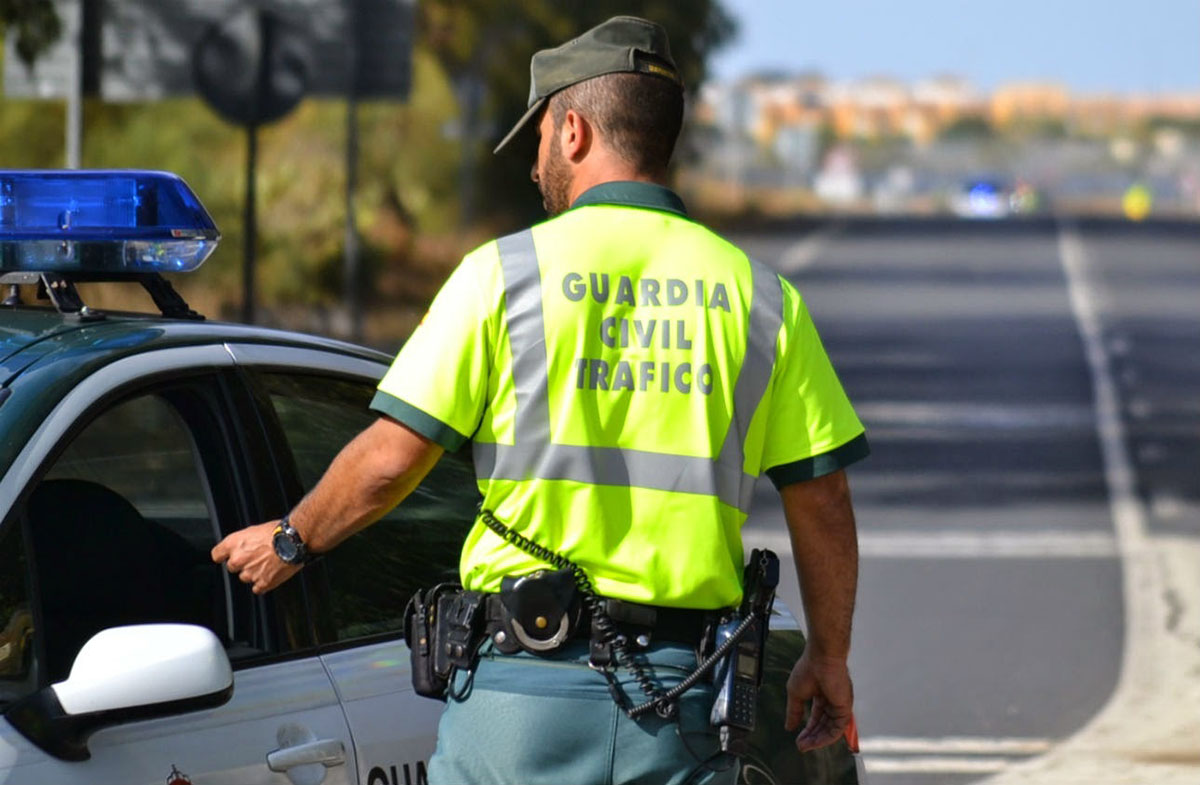
To ensure safety and smooth traffic flow, the DGT will deploy its full range of human resources, including agents from the Civil Guard Traffic Group, personnel from the Air Media Unit, traffic management centers, and emergency services. The operation will utilize all available technical resources, such as fixed and mobile speed radars, helicopters, drones, and cameras to monitor mobile phone use and seatbelt compliance. This extensive deployment will facilitate a series of traffic regulation, organization, and surveillance actions to manage the significant volume of vehicles expected during this period.
Among the planned measures to enhance mobility are the installation of additional reversible lanes in the opposite direction of usual traffic flow, where safety conditions allow, as well as other organizational measures at points and stretches with high traffic intensity. The DGT will also provide alternative routes for the most congested routes.
Additionally, until Sunday, October 11, a campaign will be active focusing on monitoring and controlling distractions while driving, which is the most common contributing factor in traffic accidents and the leading cause of fatal incidents.
Daily Traffic Outlook
The DGT forecasts that Friday afternoon will see a significant portion of the outbound traffic. From early hours, traffic will increase on roads leading from major urban centers and to coastal and mountainous areas. The highest traffic intensity is expected between 4 PM and 10 PM. On Saturday, October 10, heavy traffic will continue from early morning in the exits of large cities and access to coastal and mountainous regions, peaking between 9 AM and 1 PM. Sunday, October 11, is expected to see mainly short trips to leisure and recreational areas, with any resulting congestion likely to be less severe than on other days. Finally, on Monday, a national holiday, the return operation will begin early in the afternoon, with major traffic jams initially occurring on the main roadways and later moving to the entrances of large cities. The most complicated period is anticipated between 4 PM and 11 PM.
Travel Planning Recommendations
To ensure safe travel conditions, the DGT advises planning trips in advance and avoiding peak traffic hours whenever possible. Before departing, it is recommended to check the state of the roads and any potential incidents through the DGT's information channels: their website, social media accounts like @DGTes on X, radio and television bulletins, or by calling 011. Travelers should also consider alternative routes if necessary. During the journey, driving should be adjusted to traffic and road conditions. It is crucial to avoid risky behaviors, such as using a mobile phone while driving, consuming alcohol or drugs, and exceeding speed limits. Autumn can bring sudden adverse weather conditions, and daylight hours are shorter, so the DGT advises checking weather forecasts from the State Meteorological Agency, reviewing vehicle conditions before travel, and exercising caution, especially in rain or fog by reducing speed and increasing safety distances. In the event of an incident on the road, using the V-16 beacon is mandatory, as it is the quickest way to alert other road users through variable message panels and navigation systems, allowing them to take necessary precautions.