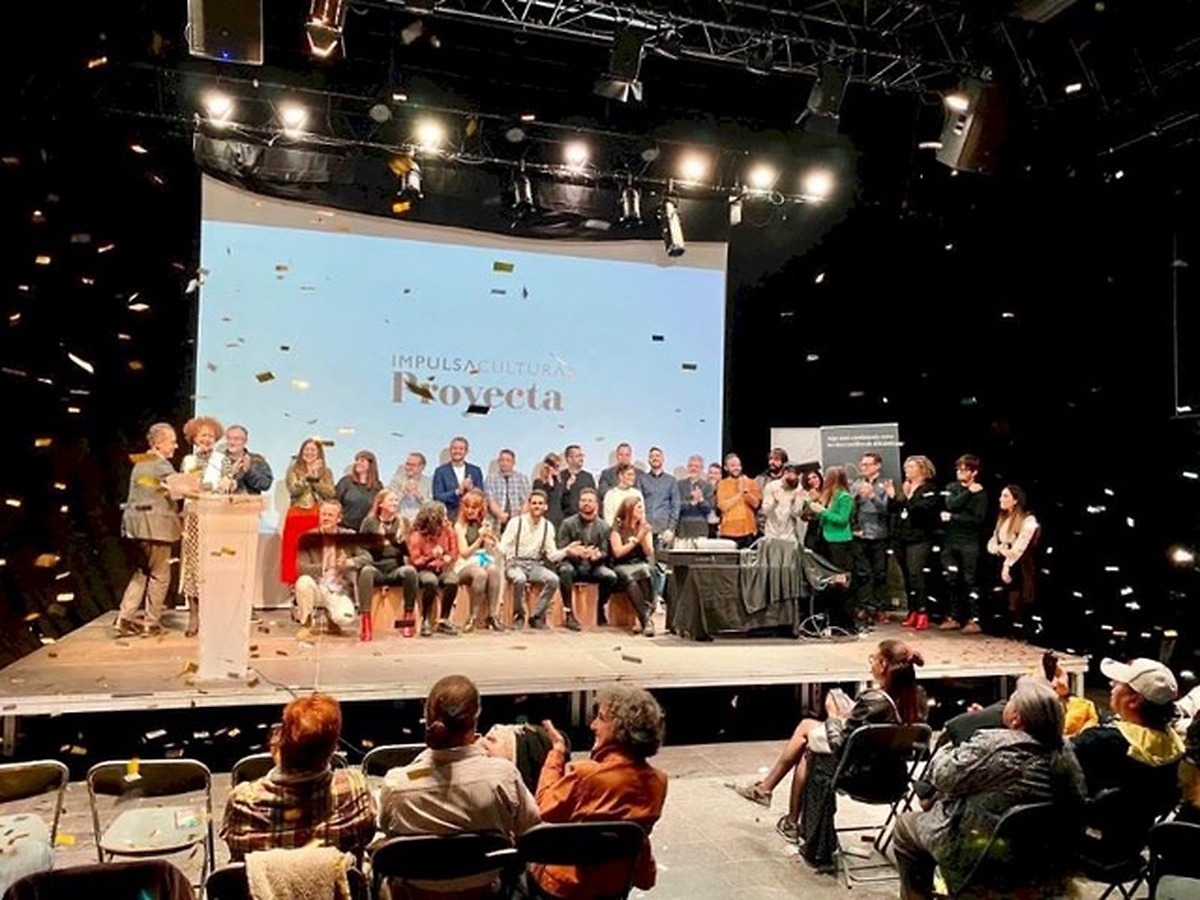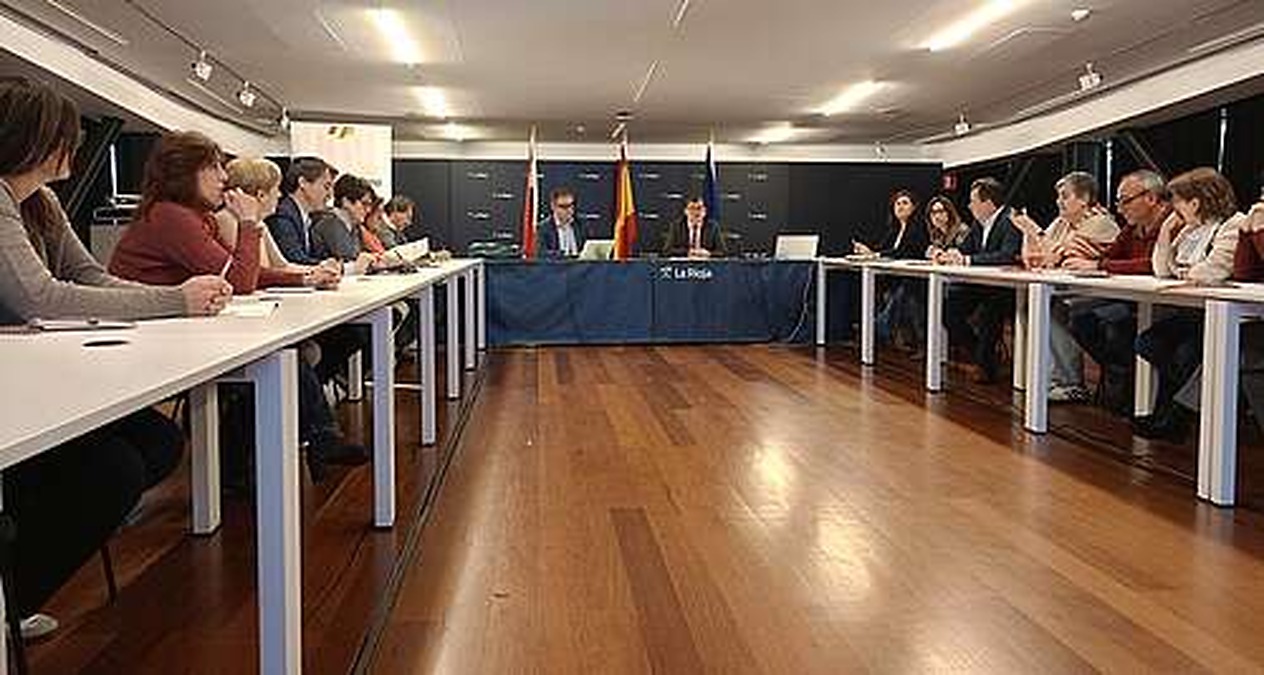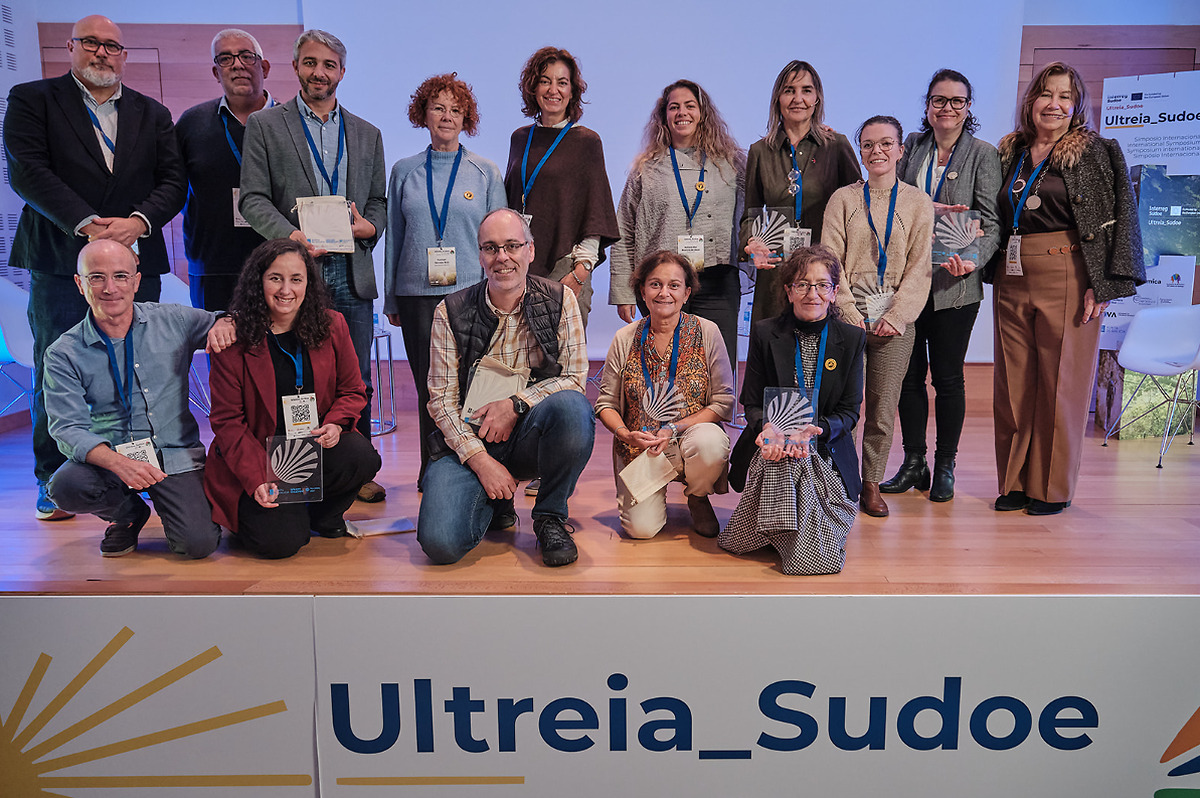
The international symposium of the Interreg Ultreia Sudoe project, held on 17 and 18 November at the Museum of Pilgrimages and Santiago, concluded two days of work and exchange focused on European cooperation and the improvement of the management of the camino de Santiago routes. The event gathered institutional representatives, technical staff from partner entities, and specialists from Spain, France, and Portugal to analyse the results achieved throughout the project, share the lines of work developed by each partner, and reflect on the future of the camino de Santiago routes.
During the meeting, strategic issues for the development of the camino routes were addressed, including accessibility, inclusion, climate change adaptation, sustainability, and improvements in management models. The programme also allowed for the sharing of experiences and best practices from other cultural itineraries, as well as progress in defining a transnational strategy for the camino de Santiago.
Among the main outcomes is the creation of a transnational model for the management of the camino de Santiago, centred around three fundamental elements: the digitalisation of routes to enhance data collection and analysis; Local Working Groups that promote collaboration between public and private entities to identify needs and energise local resources; and Camino Stops, welcoming spaces that provide services and information to pilgrims while fostering contact with the local population.
Additionally, the project produced various reports on key issues for the future of the camino routes, including socioeconomic analyses, studies on climate change, and work related to accessibility. This closure marks the end of an initiative that, since its launch in 2024, has worked towards a shared model of management and information for the camino routes, strengthening collaboration among the territories through which they pass.
Although the project's execution will conclude in December, the results achieved open a space for reflection on potential future lines of work. Documentation and study results will gradually be made available to the public through the project's website. In this regard, partner entities agreed on the importance of exploring new collaboration opportunities to continue the work undertaken, enhance the management of the camino routes, and tackle the challenges of the camino de Santiago in a coordinated manner, especially with the upcoming Xacobeo 2027.
So far this year, over 566,000 pilgrims have received the Compostela certificate, an 8% increase compared to the same period last year. Furthermore, 62% of the pilgrims are of foreign origin, highlighting the international dimension of this phenomenon.