Technologies such as 5G, artificial intelligence, the Internet of Things (IoT), and big data are revolutionising industrial frameworks worldwide, paving the way for a future where intelligent connectivity is essential for addressing industrial challenges and creating a more competitive, sustainable, and human-centric production model.
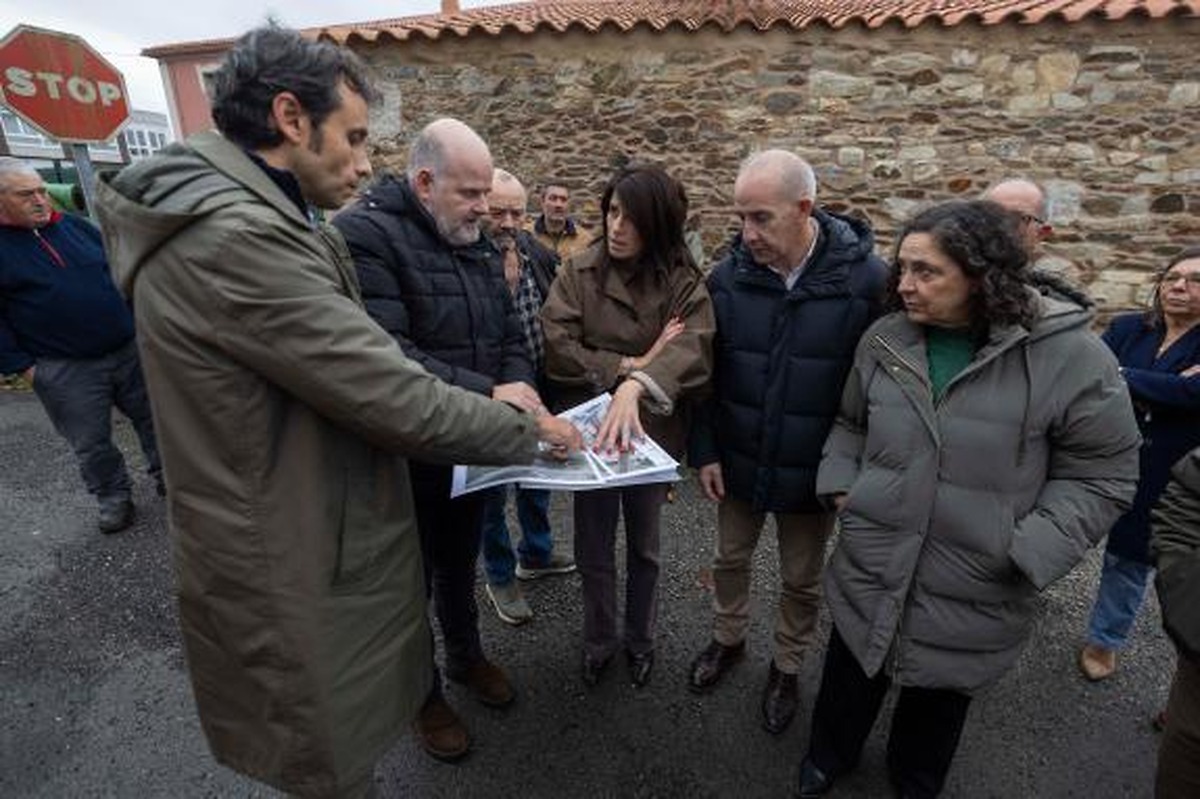
To examine the impact of these digital infrastructures on Galicia's industrial sector, the Telefónica Chair at the University of Vigo hosted a conference titled 'Ágora: Intelligent Connectivity for the Industry of Tomorrow' at the School of Industrial Engineering. The event brought together university and industry representatives, primarily students, to explore how intelligent connectivity and digital infrastructures are transforming the present and future of Galicia's industrial landscape.
The opening session featured David Álvarez, Vice-Rector for Infrastructure at the University of Vigo; José Fariña, Director of the School of Industrial Engineering; and Manuel Ángel Alonso, Director of Northern Territory at Telefónica Spain. The speakers emphasised the current context of profound technological transformation, highlighting connectivity as the essential engine driving the industry of the future. They noted that this shift is redefining production models and fostering more efficient, flexible, and sustainable environments where data and intelligence become critical competitive assets.
Álvarez remarked that the topics discussed are no longer about the future but are very much present realities. He stated, “These technologies are changing the way we design, manufacture, and make decisions. In a hyper-connected factory, data is just another raw material, and we must know how to interpret, protect, and maximise its potential, as it is a decisive and indispensable competitive advantage.” He further stressed that connectivity is as fundamental today as electricity or running water once were, asserting that without robust networks, there can be no automation, digital twins, or efficient energy management, and consequently, no truly sustainable industry.
Alonso reiterated the importance of collaboration among the university, technology, and industry, especially during this extraordinary technological transformation. He pointed out that discussions around artificial intelligence, 5G, digital twins, autonomous vehicles, and robotics all share a common foundation: connectivity and data, which are increasingly vital for industry. He added that the current challenge is to connect research with businesses, emerging talent with new jobs, and technology with real industrial problems.
Fariña highlighted the relationship between academia and industry, which he noted is ingrained in the school's ethos. He explained that digital infrastructures and connectivity are integral to the education provided at the school, making the event particularly relevant for students. The programme included a roundtable discussion moderated by Luis Álvarez-Sestelo, Executive Director of Optare Solutions and President of Grupo Marsan, focusing on intelligent connectivity for the industry of tomorrow. Participants included professors from the University of Vigo and industry experts.
The event also featured a conference on digital twins, physical AI, and robotics from the Automotive Technology Centre of Galicia (CTAG), where experts discussed key research areas. The day concluded with technological demonstrations of autonomous driving and interactions with a humanoid robot, showcasing some of Spain's most advanced industrial environments.
This gathering coincides with the 125th anniversary of the School of Industrial Engineering at the University of Vigo, a leader in engineering education and knowledge transfer to the productive sector, as well as the 50th anniversary of higher education studies at the school. Additionally, it marks the 25th anniversary of the Telefónica Chair Network, which fosters collaboration between universities and businesses to accelerate the adoption of disruptive technologies and the development of digital talent.