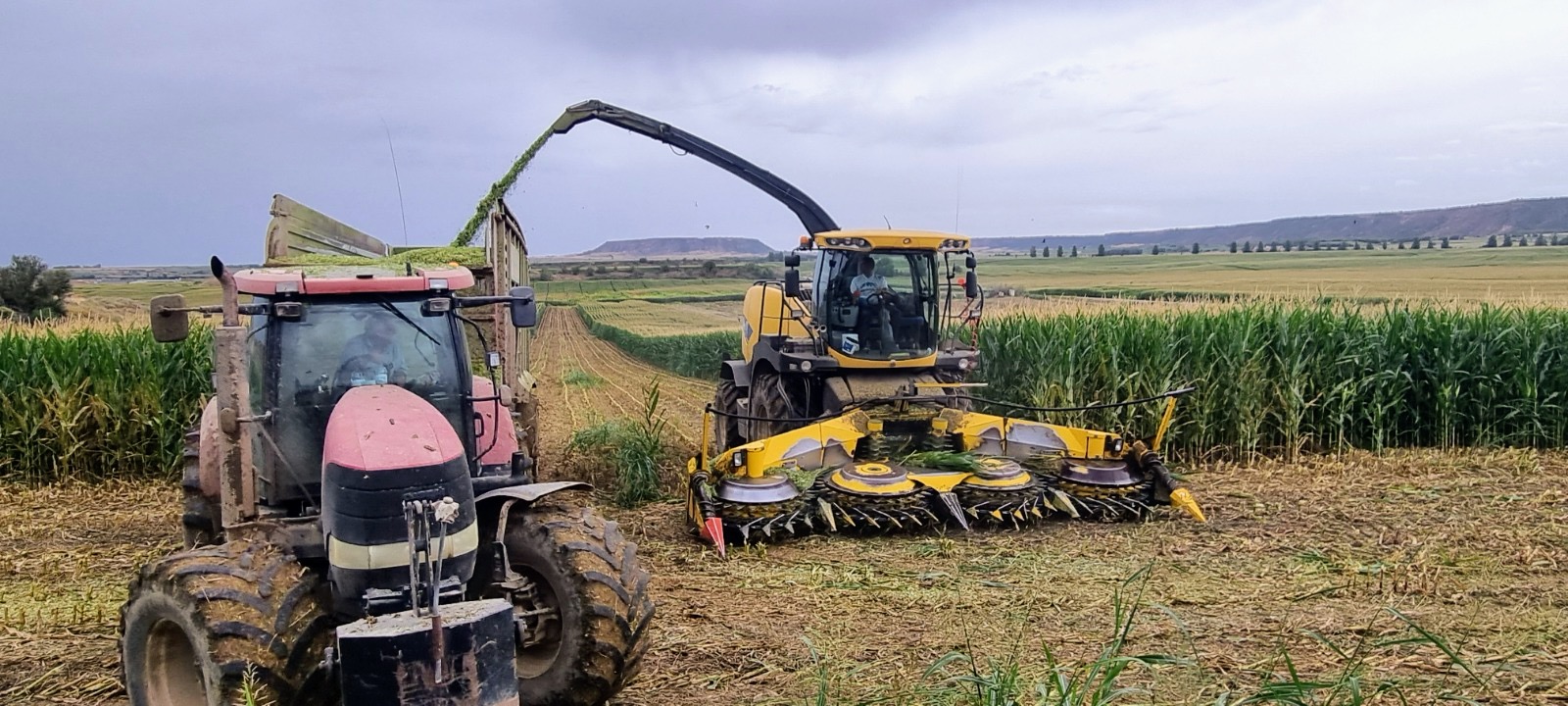
asaaja aragón and asaaja huesca have expressed serious concerns regarding the current state of maize cultivation in aragón. The production estimates for the first harvest of 2026 indicate a challenging scenario for farmers, who are facing significant reductions in yields and profitability that threaten the future of this crop.
In 2025, approximately 97,000 hectares of maize were planted in aragón, yielding around 1,150,000 tonnes for various uses, including human consumption, animal feed, and the cosmetics industry. For the 2026 campaign, the area planted has decreased to about 92,000 hectares, with roughly 45,000 hectares for the first harvest and 47,000 for the second. This represents a 4.2% reduction compared to the previous year, highlighting the difficulties faced by the sector.
As the first harvest approaches completion and the second begins in 2026, forecasts suggest production will range between 920,000 and 960,000 tonnes, which is 180,000 to 200,000 tonnes less than in 2025. Of this reduction, 40,000 to 50,000 tonnes are attributed to the smaller planted area, while around 140,000 tonnes are linked to declining yields, exacerbated by the red spider mite, a pest causing significant damage to crops.
The economic impact of this production loss is estimated at around 40 million euros less in revenue for farmers. In light of this situation, asaaja aragón and asaaja huesca are calling for measures to restore the profitability of maize cultivation and ensure its sustainability in the region.
Key demands include reducing the costs of raw materials and production, access to effective pest control tools such as the approval of abamectin to combat the red spider mite, and the development and availability of more productive seeds tailored to farmers' needs.
Fernando Luna, president of asaaja huesca, warned of the consequences of inaction: “If urgent measures are not taken to ensure guaranteed production and a decent profitability, maize in aragón is doomed not to be sown.”
asaaja stresses the importance of action from authorities and relevant stakeholders to prevent a strategic crop for aragón's agriculture from losing its economic viability, which would have repercussions for farms, the agri-food sector, and the rural community as a whole. They remind that the province of huesca, along with the ebro valley and the province of león, is one of the main maize-producing areas in spain, making it crucial for both agriculture and the economy due to its high productivity and versatility.