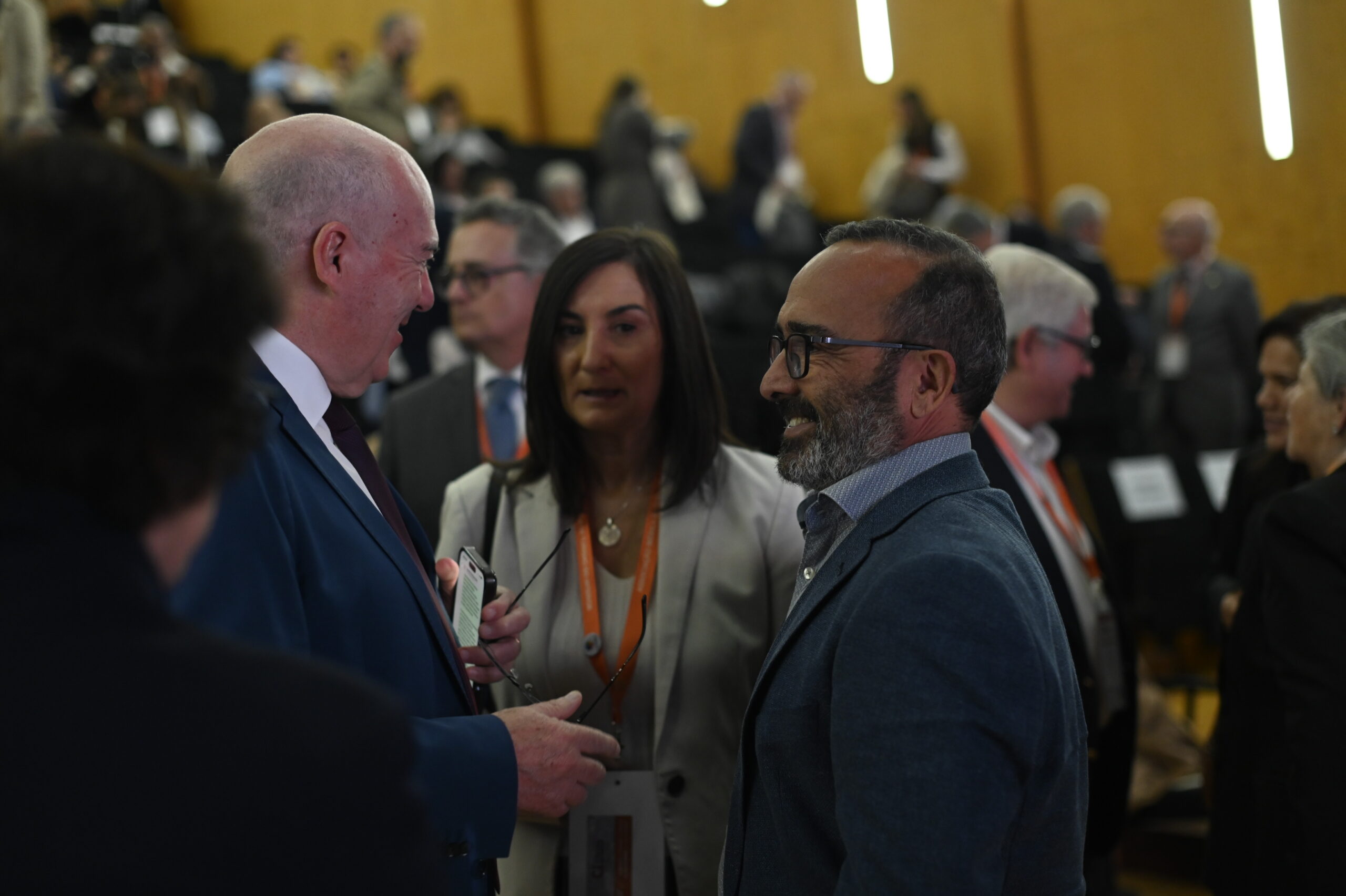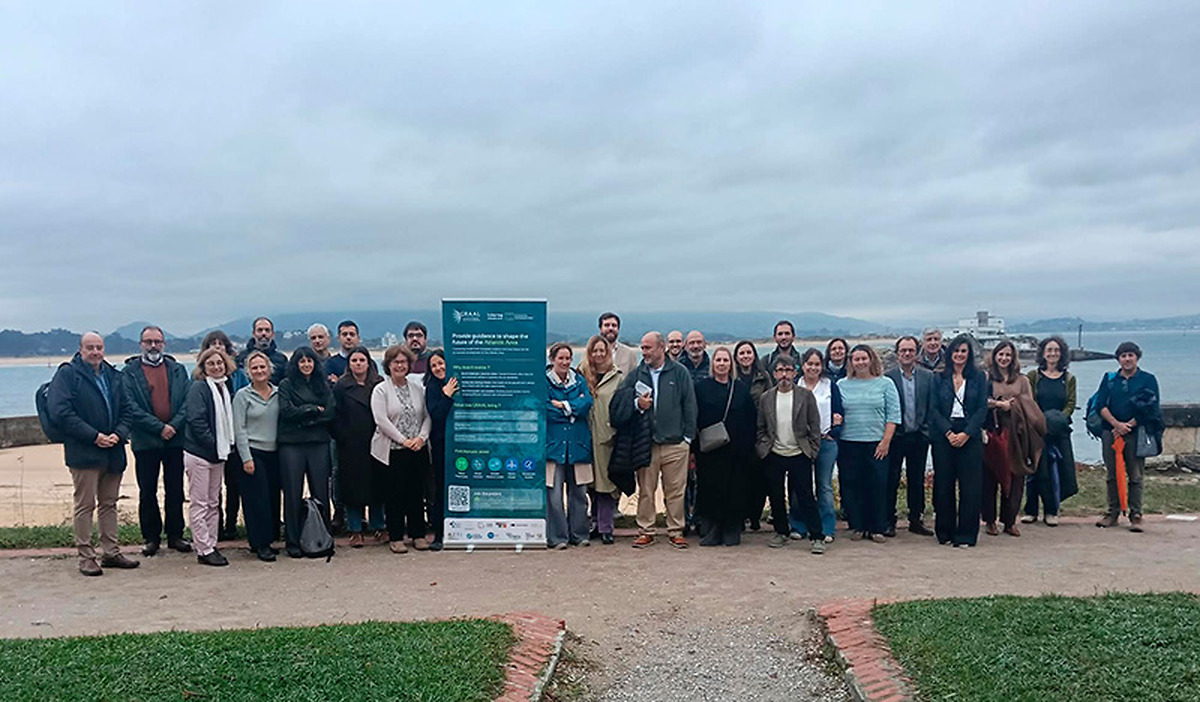
The Institute of Environmental Hydraulics at the University of Cantabria (IHCantabria), supported by the Santander City Council and the Government of Cantabria, organised a workshop on Territorial Priorities as part of the European GRAAL project (Governance and Regional Atlantic Area Lighthouse). The event, held on 13 November in Santander, saw active participation from professionals and stakeholders involved in nature conservation, pollution, marine energy, resilient coasts, and sustainable tourism.
The workshop aimed to identify needs, challenges, and funding opportunities that could contribute to shaping future initiatives and projects for upcoming calls under the Interreg Atlantic Space programme. Participants shared knowledge and experiences regarding the main challenges facing the region, collaboratively identifying regional priorities and potential transnational cooperation proposals.
Key priorities identified
Among the main needs highlighted, the importance of assessing the carrying capacity and environmental and social impacts of tourism was emphasised in the context of sustainable tourism. There was also a call to connect small businesses in the Atlantic Arc to foster collaboration and access to new markets.
In the area of renewable marine energies, priority was given to accessing testing infrastructures under real conditions and developing a regional strategy to harness Cantabria's technological and industrial potential, thereby boosting the marine energy sector in the region.
Regarding resilient coasts, the need to evaluate the impacts of climate change on ports and critical infrastructure was noted, along with the integration of climate risks into urban planning.
In terms of marine pollution, challenges associated with the emergence of new contaminants were highlighted, including the assessment of risks from alternative fuels and the need to improve response tools and plans for dealing with emergencies arising from new types of pollution.
Finally, in the realm of environmental protection, the importance of strengthening environmental education and promoting concrete conservation actions for ecosystems was underscored.
Barriers to participation
In addition to thematic priorities, the workshop identified barriers that hinder regional actors' participation in European projects, particularly in the Interreg Atlantic Space programme. These included a lack of specialised technical resources, the complexity of financial procedures and justifications, and language-related difficulties. Participants stressed the need to simplify these processes and facilitate broader participation from local entities.
The collaborative dynamics of the workshop also allowed for the detection of potential synergies among organisations, reinforcing the importance of collaboration between public administrations, the scientific community, third-sector entities, and businesses to address shared challenges through integrated and innovative solutions.
The insights gathered will help guide future transnational cooperation proposals and convey the main needs and priorities identified by Cantabria's stakeholders to the Interreg Atlantic Space programme. This initiative strengthens the role of local actors in identifying cooperation opportunities in the Atlantic Space, promoting solutions that contribute to environmental sustainability, coastal resilience, and sustainable development.
By organising this workshop within the GRAAL project framework, IHCantabria reaffirms its commitment to applied research, knowledge transfer, and collaboration among local actors to foster environmental sustainability, coastal resilience, and sustainable development in Atlantic regions.
About the GRAAL project
This initiative aims to strengthen cooperation and engagement among regional agents in designing proposals that address the main environmental, social, and economic challenges of the Atlantic space. Through participatory actions and multi-actor dialogue, the project seeks to facilitate the generation of new ideas and alliances that promote sustainable development in Atlantic regions.