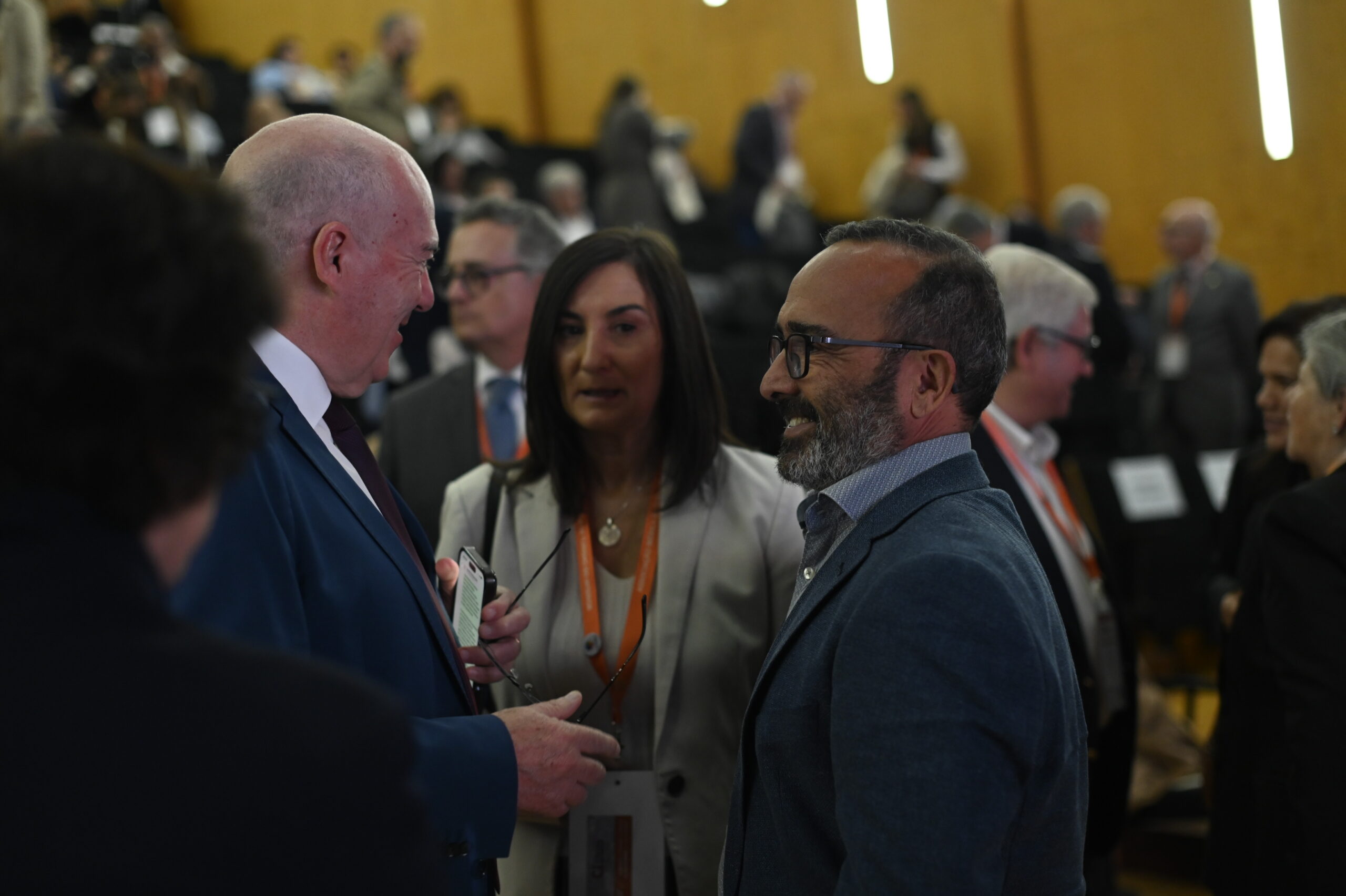
The president of the Provincial Council of Cáceres, Miguel Ángel Morales, inaugurated the second world congress on inland tourism on 18 November 2026, held at the Municipal Theatre of Guarda, Portugal. The event, which runs until 19 November, has attracted over 700 participants from more than 15 countries.
Organised by the Iberian Association of Inland Tourism (AITI), this international congress aims to analyse the current state and future prospects of tourism, with a particular focus on inland regions. Key topics include planning, digitalisation, sustainability, and the social and cultural impacts of tourism. The congress also seeks to promote tourism initiatives that support socioeconomic development and foster cooperation among various stakeholders.
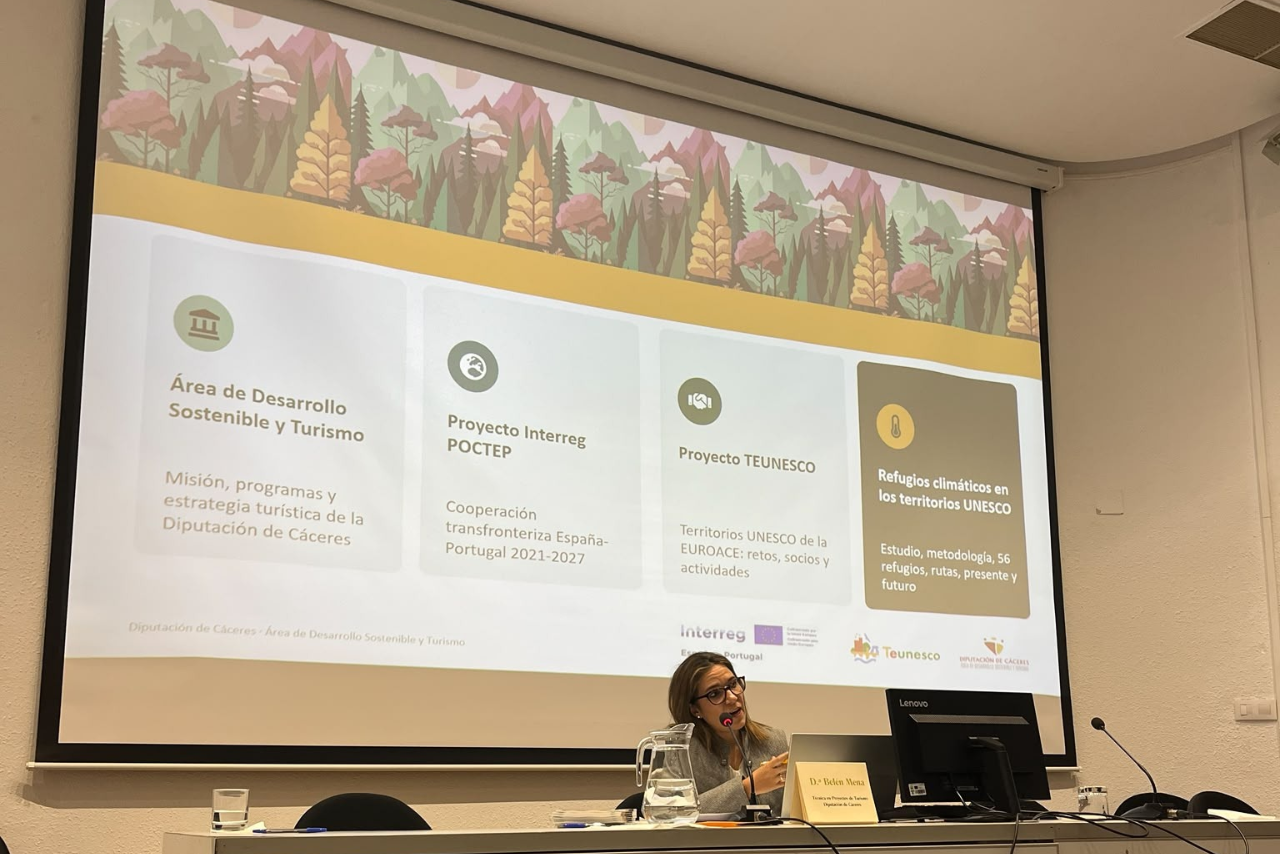
The Provincial Council of Cáceres is represented at the congress with three exhibition spaces showcasing the diversity of resources, experiences, and tourist attractions in the province, including Norte de Cáceres, UNESCO territories, and Tierras de Cáceres and Trujillo.
During his speech at the inauguration, Morales highlighted the importance of continuity in policies and territorial development strategies, arguing that they should not be influenced by electoral cycles. He stated, “The instruments that need to improve people's lives, and tourism is one of them, must transcend electoral periods.”
He expressed concern about the challenges faced by entrepreneurs and tourism promoters when projects and methodologies change with each new government. Morales called for the establishment of stable governance with shared objectives and long-term planning to provide security for those who invest and create jobs in municipalities.
Morales noted that inland and border regions often face demographic disadvantages and require specific commitments from national and European governments, particularly regarding infrastructure and communications. “We have fewer inhabitants, but we have the same rights,” he asserted, urging that political decisions consider the needs of rural and border areas beyond their population size.
He also pointed out that while the territory has talent, resources, and individuals willing to undertake initiatives, it requires adequate support to consolidate these efforts and create opportunities. “No one will stay in a territory if they do not have employment to survive,” he remarked, linking the development of tourism directly to economic activity and population retention.
On the topic of cross-border cooperation, Morales cited the ongoing challenges in shared spaces, such as the Tagus River, where regulatory differences between Spain and Portugal can hinder economic and tourism activities. He stressed the importance of improving connections between the two countries, particularly the transport links between Madrid and Lisbon and the infrastructure that connects inland territories.
Furthermore, he advocated for a governance model where public administrations collaborate closely with those engaged in economic activities. “We are very important for managing public resources, but we must involve entrepreneurs and the private sector, establishing common strategies,” he stated. He also emphasised the need to involve universities, technological centres, and training institutions to support businesses and foster new opportunities.
Morales recalled the collaborative experience of the Provincial Council of Cáceres with Portuguese municipal chambers in managing European funds and highlighted the importance of assessing how these resources are impacting the lives of residents in smaller municipalities, where tourism entrepreneurs strive to maintain activity and generate employment.
In conclusion, he called for cooperation among institutions, businesses, and knowledge centres as a pathway to ensure that inland tourism becomes a viable and competitive destination, while also guaranteeing future opportunities for those living in these regions.
The inaugural event also featured contributions from Sergio Costa, president of the Municipal Chamber of Guarda; Miguel Martins, president of AITI; Leopoldo Rodrigues, president of the Municipal Chamber of Castelo Branco; and Rui Ventura, president of the Regional Tourism Entity of Central Portugal.