The Castilla-La Mancha government has authorised the construction of a new visitor centre at the Nacimiento del Río Cuervo, a natural monument located in the province of Cuenca. The initiative, promoted by the Ministry of Sustainable Development, involves an investment of €804,011 and is expected to take six months to complete, with the contract awarded to the company Tragsa.
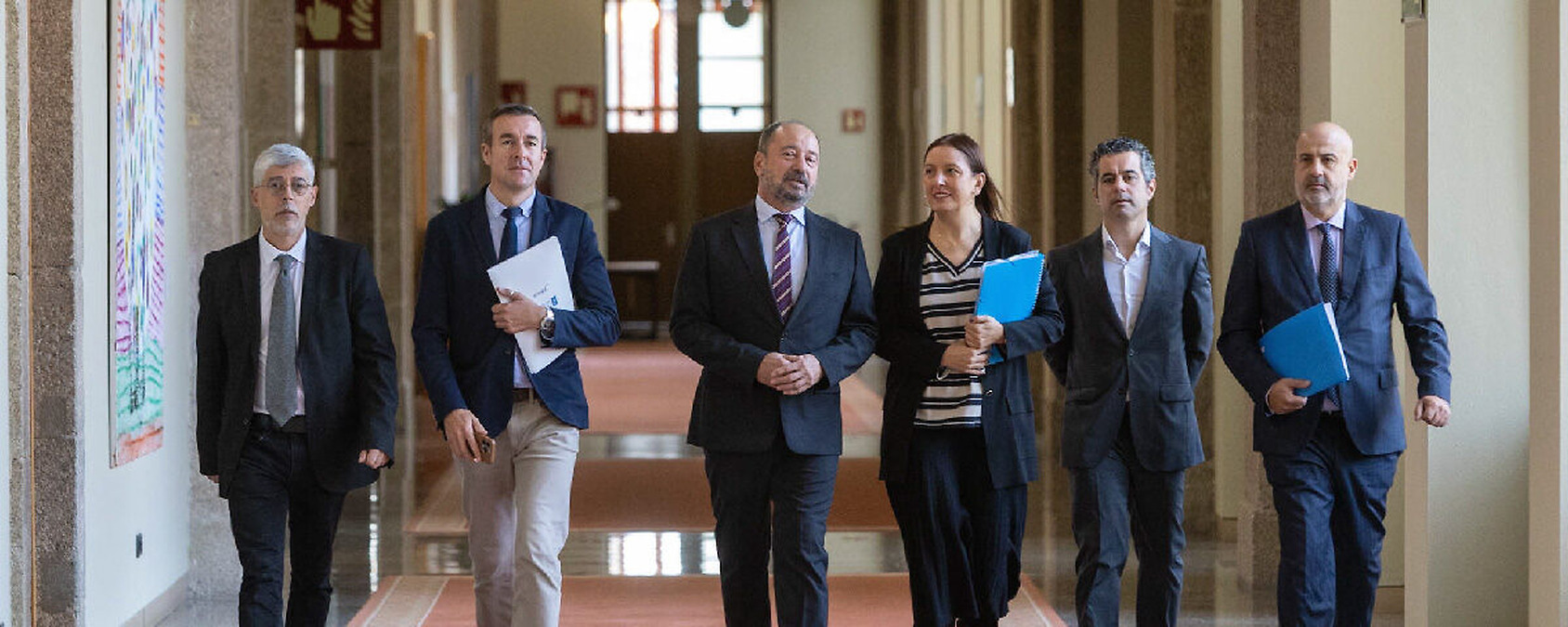
Mercedes Gómez, the Minister of Sustainable Development, announced the project during a press conference detailing the agreements made by the Council of Government. She explained that the new facility aims to enhance visitor services and improve the management of public use at this iconic natural site in the Serranía de Cuenca.
The future centre will be situated next to the main parking area for the natural monument and will cover approximately 170 square metres. It will include a reception and information area, an exhibition and multipurpose room for educational activities, accessible restrooms, staff facilities, and technical support spaces. Additionally, there will be an outdoor covered area for group gatherings and shelter from adverse weather conditions.
“This initiative continues our efforts to improve public facilities associated with our protected natural spaces, providing better service to visitors, facilitating awareness of environmental values, and promoting a more orderly and respectful experience with the surroundings,” Gómez stated.
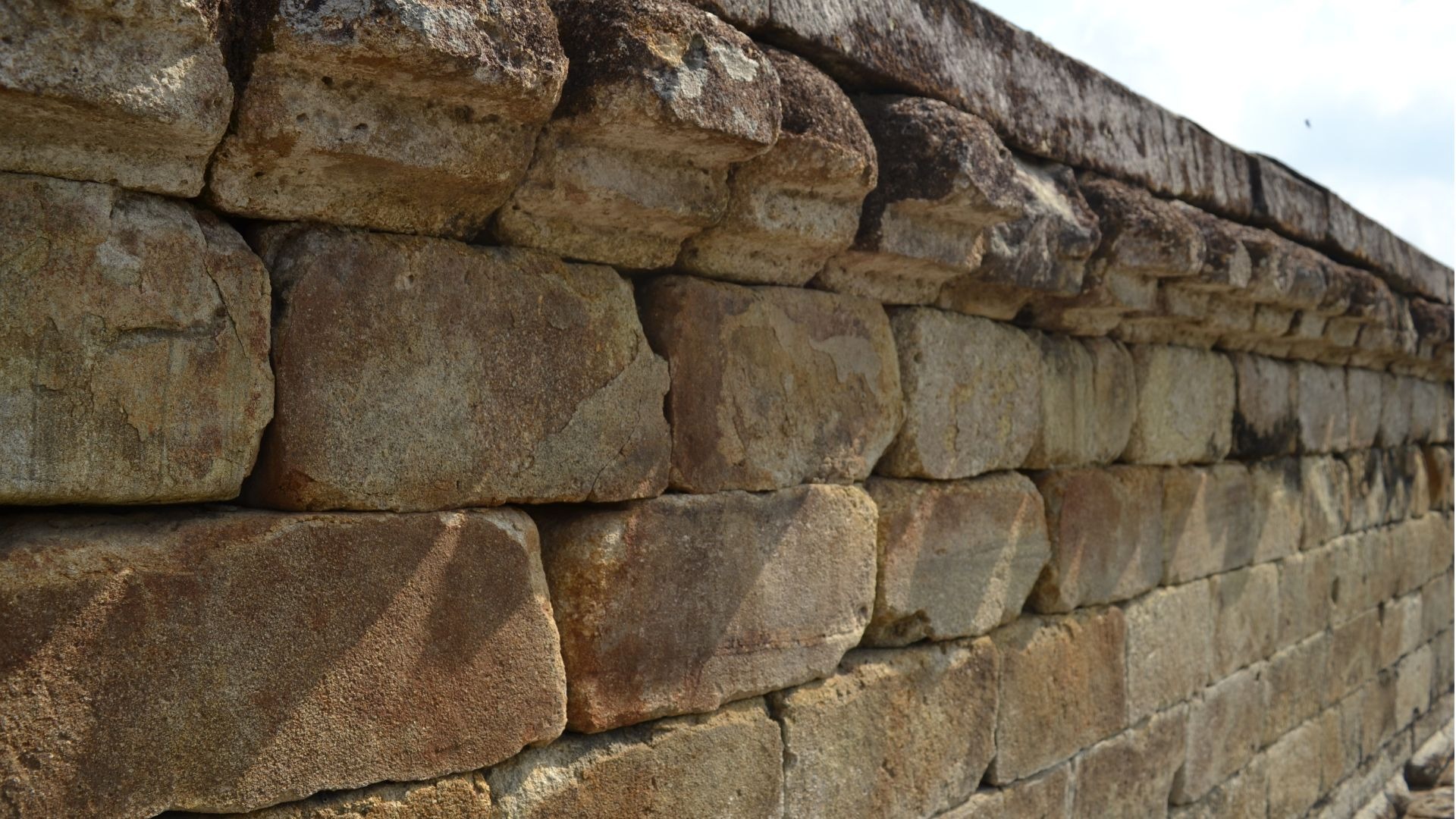
The design of the project aims for respectful integration into the landscape of the Serranía de Cuenca, featuring architecture inspired by traditional local buildings and predominantly using materials such as wood and stone. It will also incorporate sustainability and energy efficiency criteria, along with universal accessibility measures.
The Nacimiento del Río Cuervo is located in the northwestern part of Cuenca province, reaching altitudes of up to 1,700 metres. The site is renowned for its active travertine spring, which is notable for its development, extent, and beauty, representing one of the region's most significant geomorphological and landscape values. Currently, the Nacimiento del Río Cuervo attracts around 120,000 visitors annually, making it one of the region's key natural attractions.
The new centre will enhance environmental information and awareness, effectively manage visitor flows, and support the monitoring and management of the natural space. “This resource will help visitors connect with the natural and landscape values of this monument while supporting educational, informative, and interpretive activities for diverse audiences,” Gómez added.
Moreover, the new infrastructure is expected to serve as a reference point beyond the Nacimiento del Río Cuervo itself. Its strategic location will help promote the natural and tourist resources of other nearby protected areas, fostering greater awareness of the entire network of protected areas within the Castilla-La Mancha region.
Currently, the Serranía de Cuenca has three interpretation centres located in the municipalities of Uña, Tragacete, and Valdemeca, with this new facility set to join them near the Nacimiento del Río Cuervo, close to the village of Vega del Codorno. Gómez noted that this public facility could create new opportunities linked to tourism and services associated with the area, promoting a development model connected to natural heritage and local resources.
In total, the region boasts 114 protected natural spaces covering 590,000 hectares, supported by a network of 20 visitor centres and seven information points that welcome thousands of visitors each year interested in exploring the region's natural heritage. These centres are complemented by awareness programmes such as 'Vive Tú Espacio' and activities related to over 250 interpretive trails and routes. The number of visitors to protected natural spaces averages around 1.5 million annually, with approximately 100,000 passing through interpretation centres and information points.