The Lleida Tourism Board has initiated the installation of 84 ecocounters in four natural areas: Aigüestortes i Estany de Sant Maurici National Park, the Alt Pirineu Natural Park, the Cadí-Moixeró Natural Park, and the Geopark Orígens. This project represents an investment of €270,000, supported by the European Union's Next Generation funds.
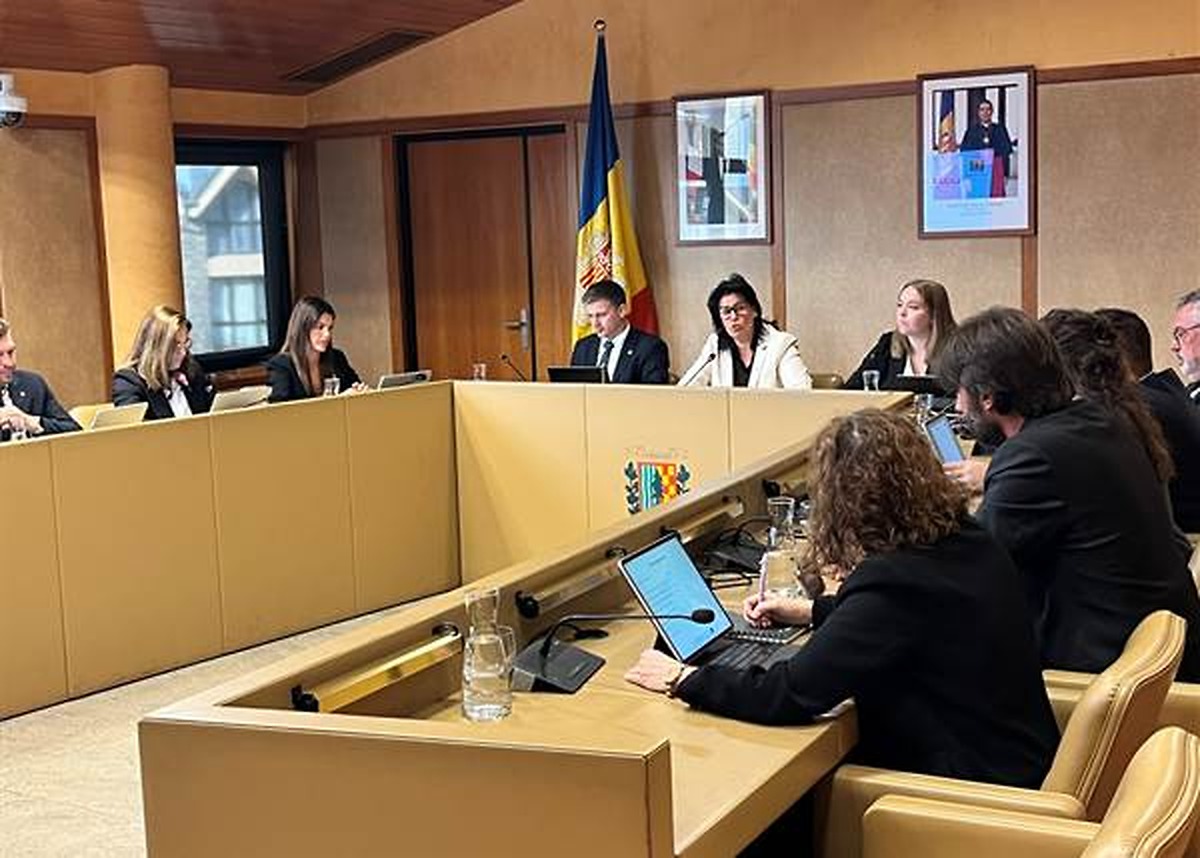
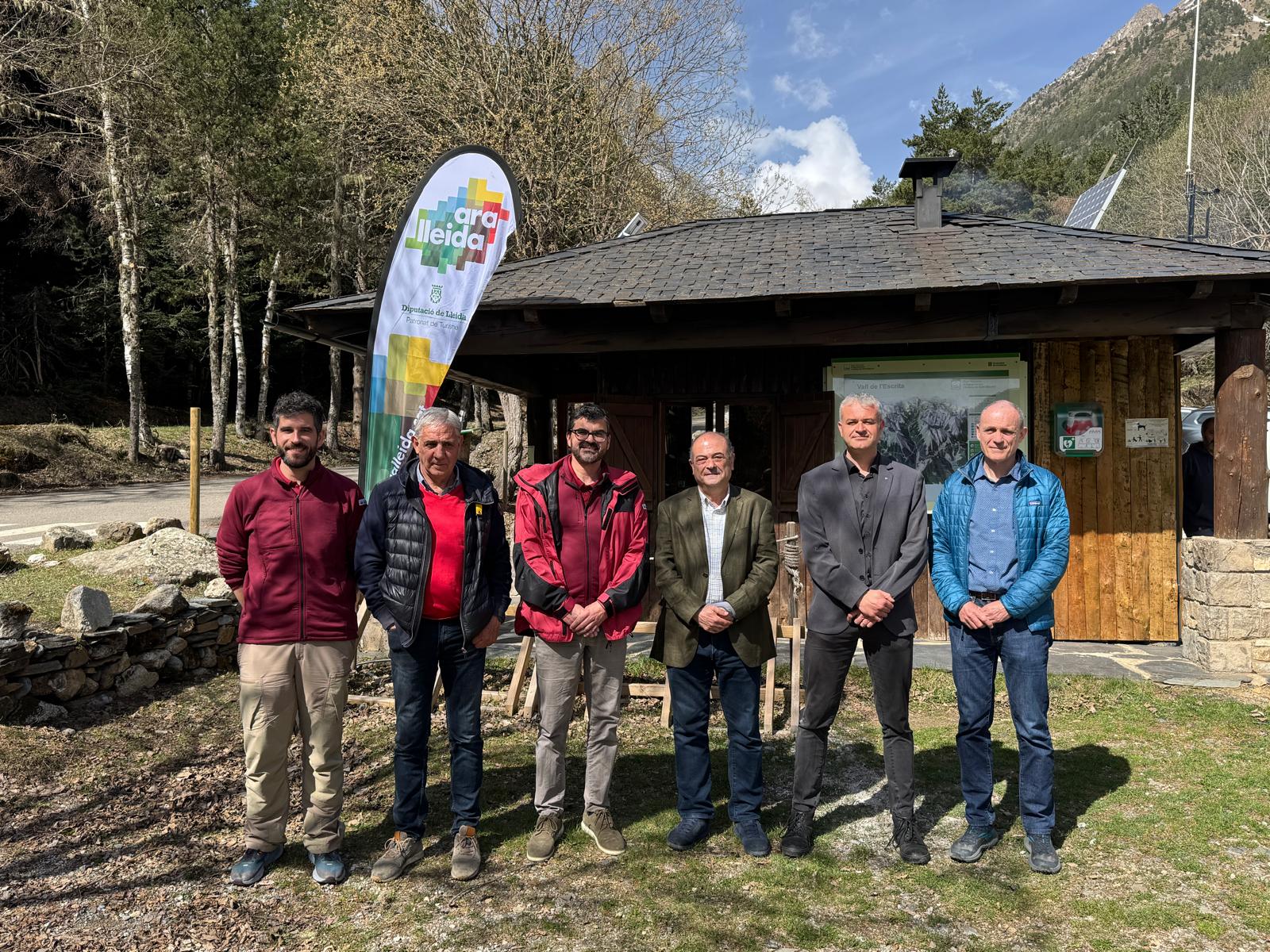
On Wednesday, Juan Antonio Serrano, the vice president of the Tourism Board, visited the Prat de Pierró car park in Espot, where one of the devices has been installed. He was accompanied by Lluís Florit, the director of the National Park, Xavier Llimiñana, the public use technician of the National Park, Héctor Ortiz, the territorial coordinator of the Department of Business and Labour in the Alt Pirineu and Aran, Josep Maria Sebastià, the mayor of Espot, and Enric Roca, a representative of Eco-Counter.
Serrano explained that the installation of the ecocounters, 66 of which will monitor people and 18 vehicles, marks a significant step towards a data-driven management model. He stated, “This information will allow us to improve the management of these spaces, as we will know precisely how many people access them and how visitor flows evolve over time.”
This initiative is part of the Naturalmente Lleida project, which is financed with €3.5 million from the European Union's Next Generation funds. Serrano also announced that seven ecocounters will be placed along routes linked to these European funds: the Lakes Route, the Sió Route, and the blue routes of the Segre and Cardener rivers.
Serrano highlighted that the Naturalmente Lleida project aligns with the sustainable and regenerative tourism model established by the Strategic Tourism Plan for the Pyrenees and the Lands of Lleida. The aim is to reshape the tourism model and establish the natural spaces of the region as a driver of local development, as the Board seeks to make Lleida the best place to live, both now and in the future.
Florit added that the ecocounters will enhance the management of visitor influx and promote conservation and sustainability. He explained that “with real data, more efficient conservation measures can be implemented, such as strengthening environmental monitoring or limiting access, which helps preserve ecosystems and ensure more sustainable tourism in the long term.”
Roca noted that one of the project's most important aspects is the data visualisation platform, which provides access to all influx indicators, along with analysis tools and automatic report generation.