European Union agriculture ministers have finalised a preliminary agreement on the key aspects of the Common Agricultural Policy (CAP) set to take effect in 2027. The Council of EU Agriculture Ministers achieved a partial general agreement unanimously among the 27 member states after a 12-hour meeting, concluding late on the evening of 26 October.
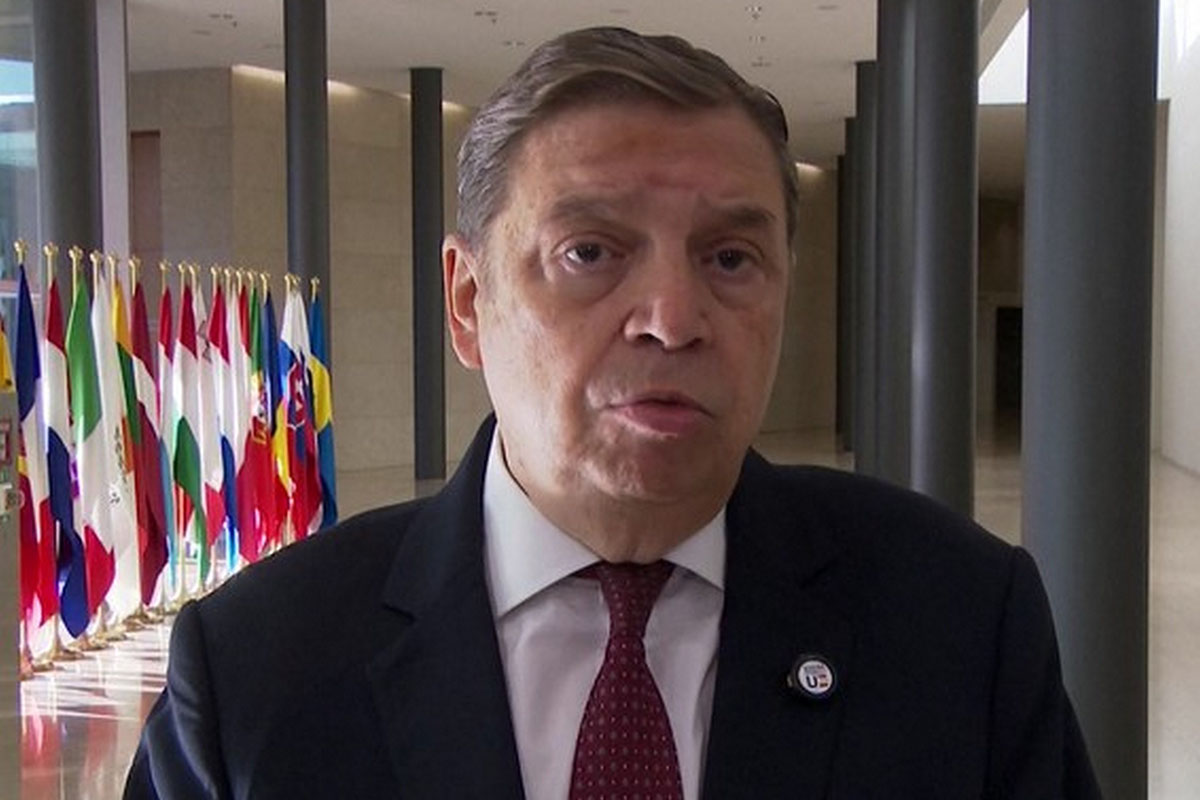
Spain's Minister of Agriculture, Fisheries and Food, Luis Planas, stated, "We have managed to maintain the CAP as a European policy." He expressed satisfaction with the outcome, noting that the agreement reflects the main lines advocated by Spain, in collaboration with regional governments, agricultural professional organisations, and agri-food cooperatives.
This agreement is partial, as the regulation must be adopted through co-decision with the European Parliament, with negotiations set to commence in January 2027. It is also contingent upon the agreement on the Multiannual Financial Framework for 2028-2034, which will be determined by heads of government in the European Council, with two meetings scheduled before the end of the year. This framework will be crucial for the financial allocation of the future CAP.
At the start of these negotiations in July 2025, the Spanish government proposed an agreement based on three points: a strong community agricultural policy with sufficient budgetary support; a fully European and flexible CAP in its national application; and the avoidance of a renationalisation of the policy. This proposal received unanimous backing from regional councillors and the four main agricultural professional organisations (Asaja, COAG, UPA, and Unión de Uniones) as well as from agri-food cooperatives.
The agreement reached covers the second and third points, while the budgetary aspect remains pending, to be decided by heads of state and government in the European Council. Key elements of the agreement include: a dedicated regulation for the CAP, equipped with sufficient tools to support Spanish farmers; a policy focused on income support alongside a socially oriented reform.
The new CAP consolidates the support model to sustain farmers' profitability. Young farmers are a focal point of the CAP, promoting a generational transition strategy that will be reinforced in Spain, providing support for new entrants and initial funding, as well as assistance for replacements.
Additionally, a reform is established to provide support conditions for risk management and crisis management. The CAP aims to uphold environmental architecture, asserting that without environmental sustainability, there can be no business sustainability. Eco-schemes will be consolidated, albeit under new names, which were a notable feature of the 2023-2027 CAP and have been widely implemented in Spain across more than 19 million hectares.
The reform strongly supports diverse sectors, with livestock and agricultural subsectors facing competitive challenges receiving associated aid to enhance their profitability. Sectoral interventions will continue for the horticultural, wine, and beekeeping sectors. The agreed text promotes productive investments and environmental adaptation, similar to previous periods, such as investments for new farms, improving the supply of agricultural products, and irrigation-related projects.
Furthermore, this CAP will channel the investments farmers need to strengthen their activities and create a more competitive, profitable, and resilient sector. Entities that process and market agri-food products will also benefit from this support. The reform supports rural areas, regions with natural limitations, and areas with specific disadvantages. It also backs LEADER initiatives (to promote rural development), the Agricultural Knowledge and Innovation System (AKIS), and the European Innovation Partnership for productivity and agricultural sustainability (EIP-Agri), which aims to foster operational groups developing innovative agricultural projects.
As a result of the negotiations within the EU Agriculture Ministers' Council, limits on aid for cooperative business partners and the degressivity (reduction of aid after a certain amount) have been established. Additionally, the foundations for a smooth transition between current CAP supports and those to be established from 2028 have been laid.