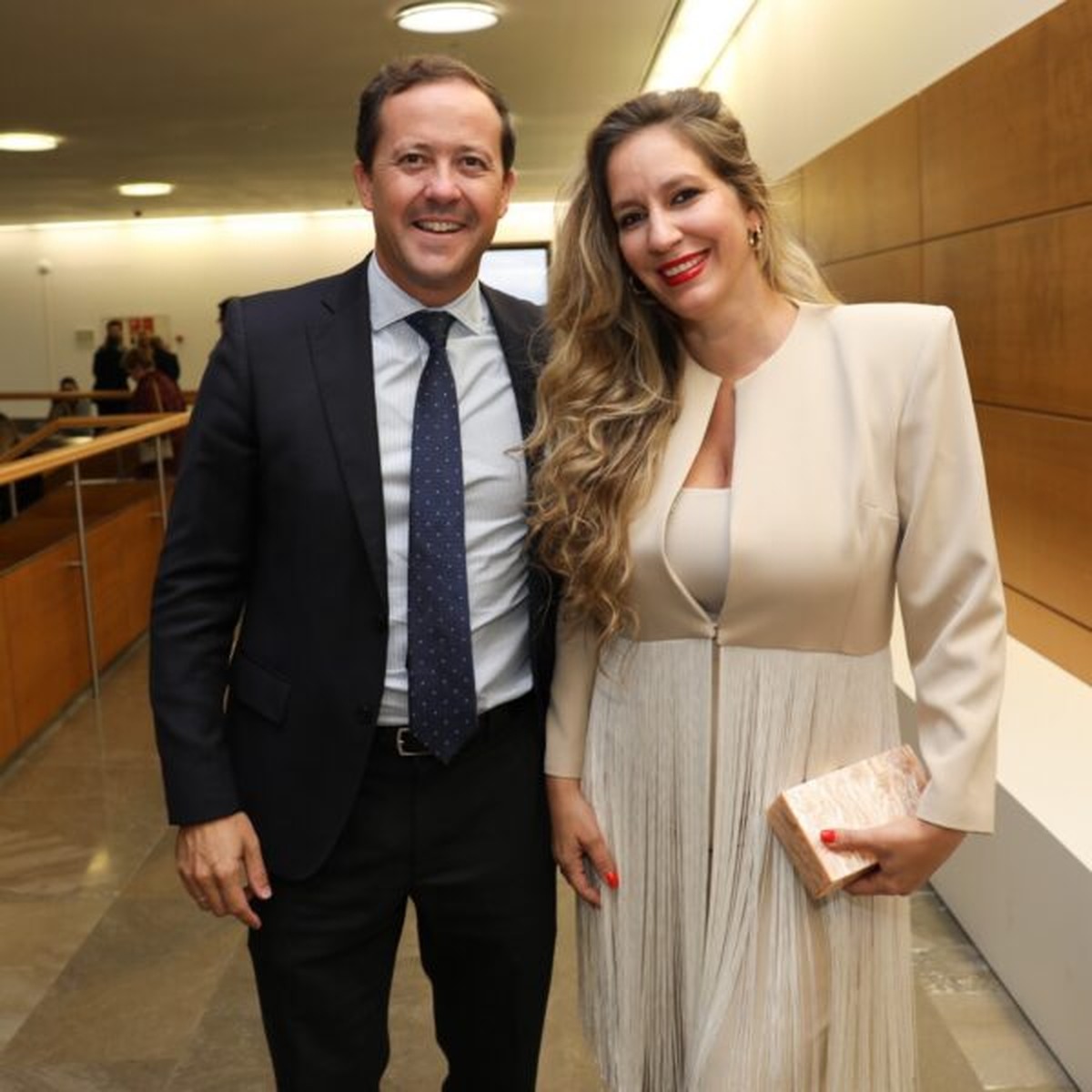
Toledo's mayor, Carlos Velázquez, has stressed the need to balance the preservation of historical heritage with the everyday lives of residents. He advocates for historic centres, particularly those designated as UNESCO World Heritage Sites, to remain 'living centres' rather than becoming mere museums.
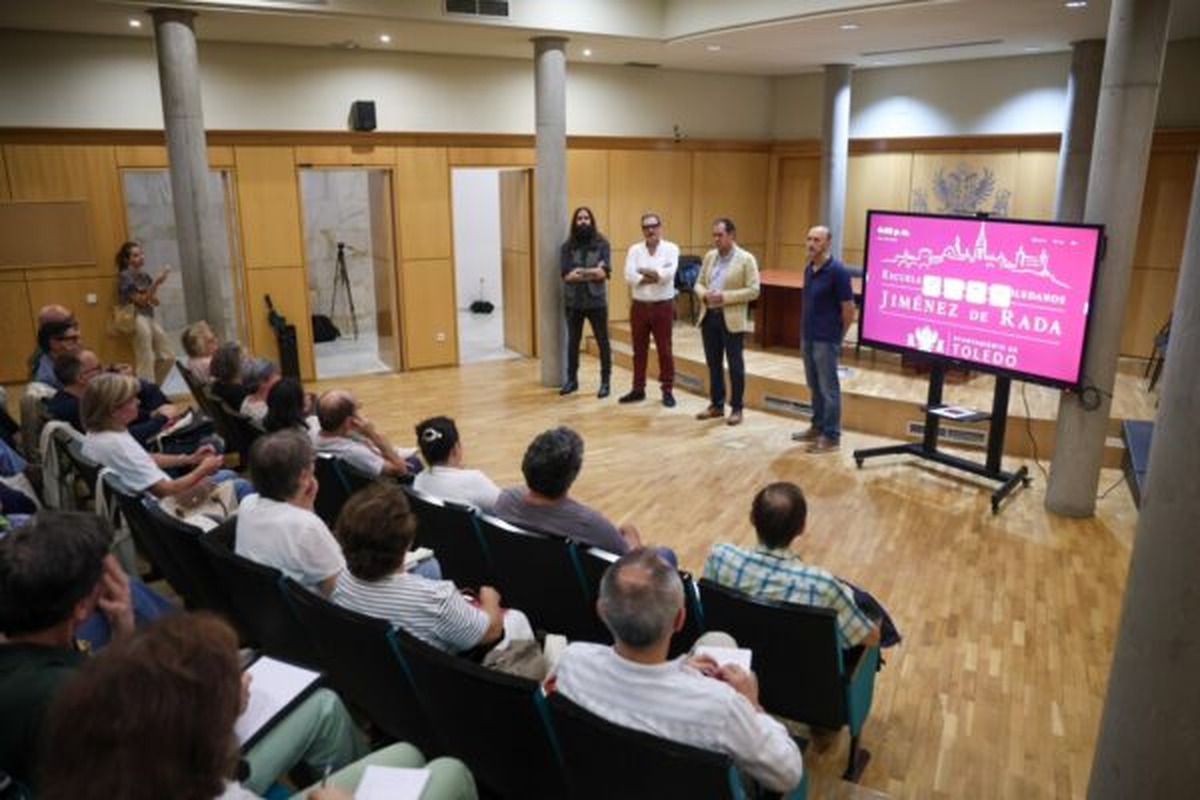
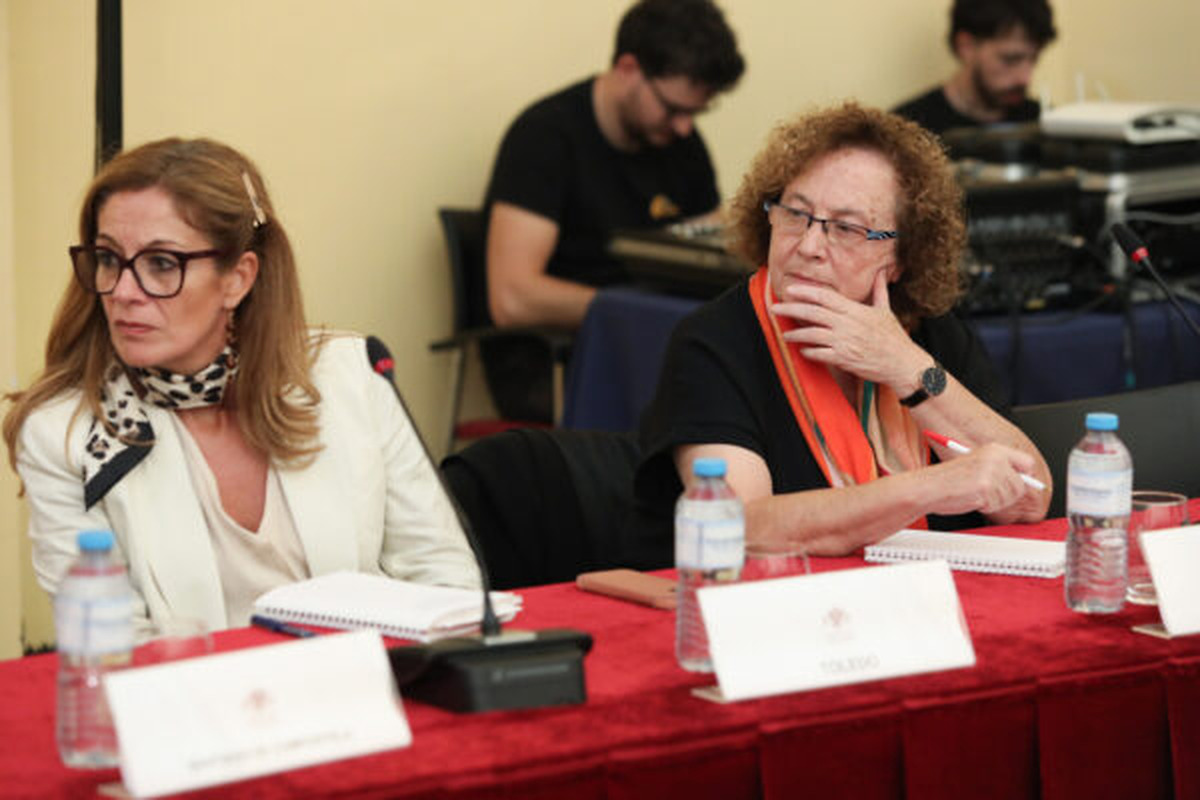
Velázquez made these comments during a meeting of the Heritage Commission of the Group of World Heritage Cities of Spain, which brought together technicians and councillors from the fifteen cities in the group. This gathering coincided with a congress in Toledo focused on heritage conservation and the use of renewable energy.
As the rotating president of this commission, Velázquez noted that all city leaders share a common goal: to preserve their heritage as effectively as possible. However, he emphasised that this goal must be accompanied by measures that sustain activity and population within historic centres. “We all want living centres,” Velázquez stated, explaining that achieving this requires specific actions that benefit current residents and attract new inhabitants.
He cited examples of initiatives in Toledo, such as the implementation of a unique pivot system that improved mobility in the historic centre while freeing up green spaces by preventing parking violations. He also highlighted the project aimed at eliminating street litter, which seeks to enhance the appearance and hygiene of the area, alongside the establishment of recycling points and mobile clean points serving this part of the city.
Moreover, Velázquez pointed out the regulation of tourist rental properties through municipal ordinances, which impose restrictions by district and pay special attention to the historic centre.
Among the initiatives launched in Toledo, the mayor particularly emphasised the Toledo Energy Community, which has garnered interest from other World Heritage Cities and towns with significant historical assets. This initiative allows families, cloistered convents, shops, and businesses in the historic centre to benefit from a 30 to 40 per cent reduction in their monthly energy bills while contributing to environmental improvement.
Velázquez noted that this initiative received national recognition earlier this year and has sparked interest from various cities seeking to learn how it was implemented. The Energy Community is also expanding beyond the historic centre, with a residential community in the Santa María de Benquerencia area, comprising 101 homes, joining the initiative.
The mayor praised the heritage conferences held in Toledo and suggested that such meetings could become annual events, not only for the fifteen World Heritage Cities but also open to other cities concerned about heritage conservation. He proposed inviting advisory bodies from UNESCO, the organisation itself, regional governments, and the General State Administration, particularly the Directorate General of Heritage.
“We are pleased with these conferences and also with a day of camaraderie that is always very positive for sharing insights and creating common learning spaces,” he remarked. During these events, representatives from cities across Spain were able to explore various spaces and projects in Toledo, such as the recovery of the Salón Rico and the 'Toledo Emerge' project, along with ongoing initiatives in Alamillos del Tránsito.
He underscored the importance of sharing experiences among cities, as the fifteen World Heritage Cities possess valuable technical knowledge to tackle the challenges of conserving their historical sites.