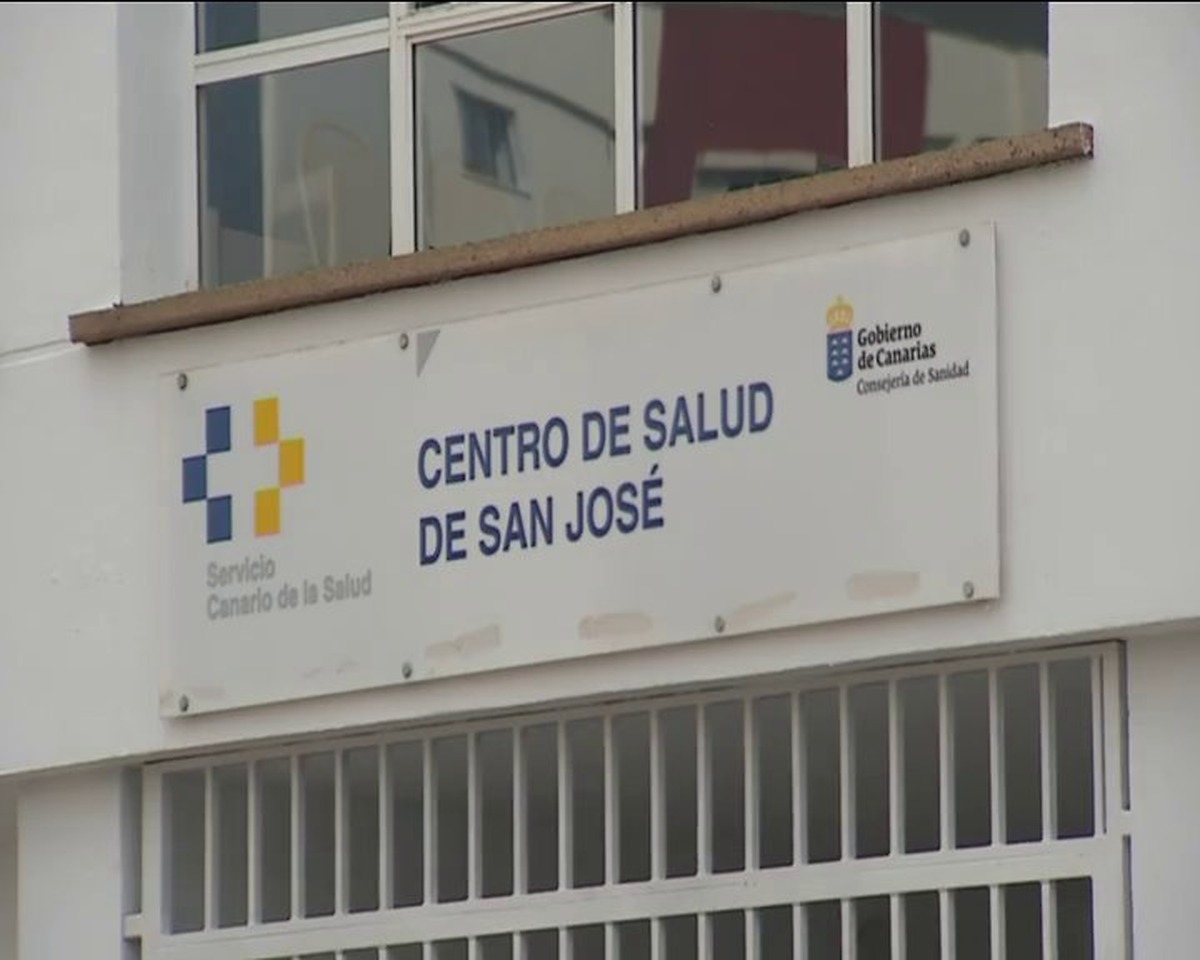
The labour absenteeism rate in Spain reached 7.76% during the second quarter of 2026, marking an increase of just over a tenth compared to the previous quarter. However, the Canary Islands recorded the highest percentage in the country, standing at 9.6%, according to the latest quarterly report on absenteeism published by The Adecco Group Institute.
The archipelago also topped the regional statistics for temporary incapacity (IT), with a rate of 8.4%, ahead of Asturias (8.1%) and the Basque Country (7.3%). These figures position the Canary Islands at the forefront of regions with the highest incidence of workplace absences.
The report indicates that the national average is 2.26 percentage points above the pre-pandemic level recorded in 2019. This figure represents the third highest in the last thirty quarters, surpassed only by the second quarter of 2020, during the lockdown, when it reached 8.83%, and the fourth quarter of 2025, which recorded 7.78%.
For the first half of 2026, the average absenteeism rate was 7.69%, exceeding the annual average of 2025 (7.61%), a year that had already set a historical maximum. The study attributes 60% of the year-on-year increase in absenteeism to temporary incapacity leaves.
By sector, industry reported the highest absenteeism rate at 8.32%, followed by services at 7.79%. Construction recorded the lowest percentage at 6.3%. In terms of temporary incapacity, industry again led with a rate of 6.32%.
The evolution of absenteeism worsened in 13 of the 17 autonomous communities compared to the second quarter of 2025. The Canary Islands led the national ranking with 9.6%, having increased by three tenths over the year. Asturias and the Basque Country followed closely, both at 9.5%.
Regarding workplace accidents, the report notes an incidence of 213 accidents per 100,000 affiliates per month, a decrease of 0.2% compared to the second quarter of 2025. However, the total number of workplace accidents resulting in leave rose by 2.36%, reaching 160,020 cases.