The third quarter Active Population Survey (EPA) released today indicates that Galicia has 1,193,300 employed individuals, an increase of 21,300 compared to three months ago. However, the region also sees a rise in unemployment, with 120,500 people out of work, which is 19,400 more than in the previous quarter. This presents a mixed picture of the labour market.
While employment is on the rise, so too is unemployment. There is an increase in permanent contracts, but temporary contracts are also growing. Conversely, part-time employment has decreased, with a notable rise in full-time positions. Although Galicia's job creation rate outpaces that of the rest of Spain, its activity rate remains five percentage points lower than the national average, and five autonomous communities are generating more jobs than Galicia.
CCOO (Comisiones Obreras), a major trade union in Spain, has expressed concern that the growth in employment does not equate to improved job quality, as evidenced by the rising rate of temporary contracts in the last quarter. The conclusion of summer hiring, alongside a recovery in public sector employment in areas such as education and healthcare, as well as an increase in the activity rate among foreign populations, may explain the rise in unemployment in the region.
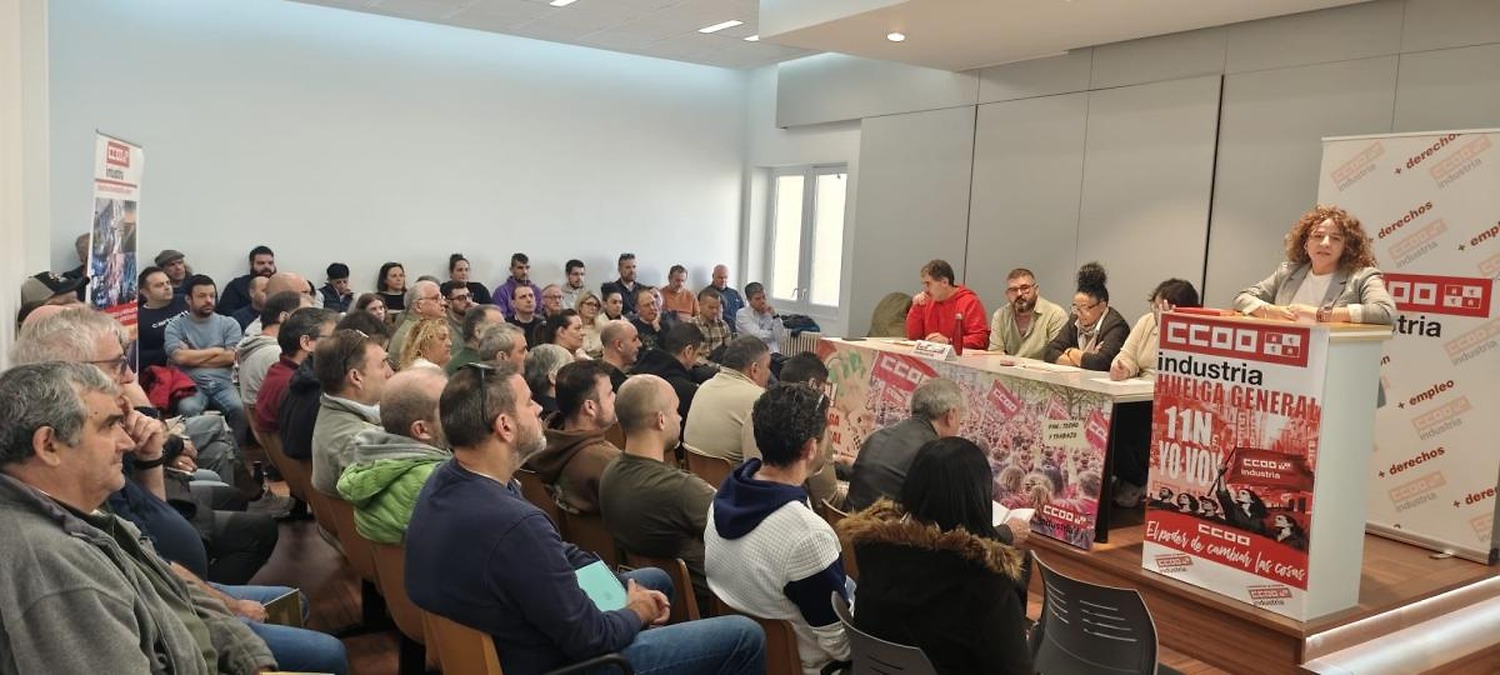
CCOO emphasises that merely creating jobs is insufficient; there is a pressing need to enhance job quality, reduce working hours, and increase wages. In light of these issues, the union has called for a general strike on 11 November, urging citizens to mobilise for better salaries, affordable housing, and price control in response to inflation that is eroding purchasing power.
Analysis of the data
The EPA for the third quarter shows a net increase of 21,300 jobs in Galicia, while unemployment has risen by 19,400 individuals. Employment in the region has grown by 1.8%, compared to a national increase of 0.3%. In contrast, unemployment in Galicia has surged by 17.9%, while it has decreased by 21.9% across Spain since the previous quarter. Currently, there are 120,500 unemployed individuals in Galicia, which is 19,400 more than last quarter.
Men's employment has increased by 20,800 jobs, whereas women's employment has only risen by 500. Of every 100 employed individuals, 49 are women. Unemployment among men has risen by 7,300, while among women it has increased by 12,100. The new jobs created are predominantly full-time (37,300), while part-time positions have decreased by 16,000, resulting in a part-time employment rate of 11.2%.
Job growth has been primarily in the services sector, which has seen an increase of 19,300 employed individuals, followed by the primary sector with 4,400 additional jobs. The industrial sector has added 3,800 jobs, but the construction sector has lost 6,200 positions. Overall, the net increase in salaried employment this quarter is 24,700, driven by a rise of 13,000 temporary salaried jobs and 11,800 permanent ones.
The public sector has created 27,100 salaried jobs, while the private sector has lost 2,400. In the public sector, permanent jobs have increased by 18,400, and temporary jobs by 8,700. In the private sector, there has been a decrease of 6,600 permanent jobs, while temporary positions have increased by 4,200. The activity rate stands at 54.6%, which is one and a half points higher than three months ago but five points lower than the national average. Compared to the same period last year, Galicia has 13,900 more employed individuals, while unemployment has risen by 17,900.