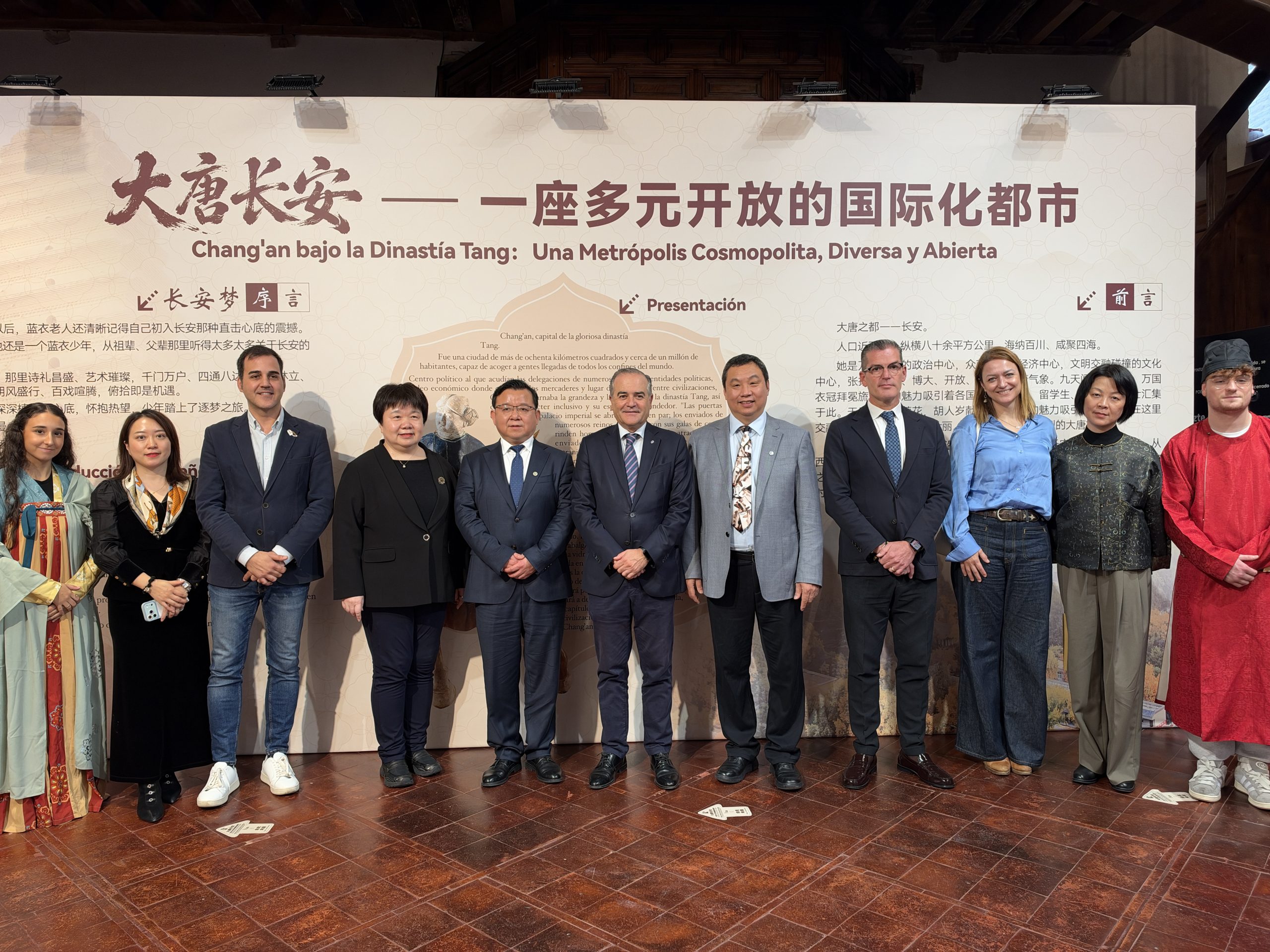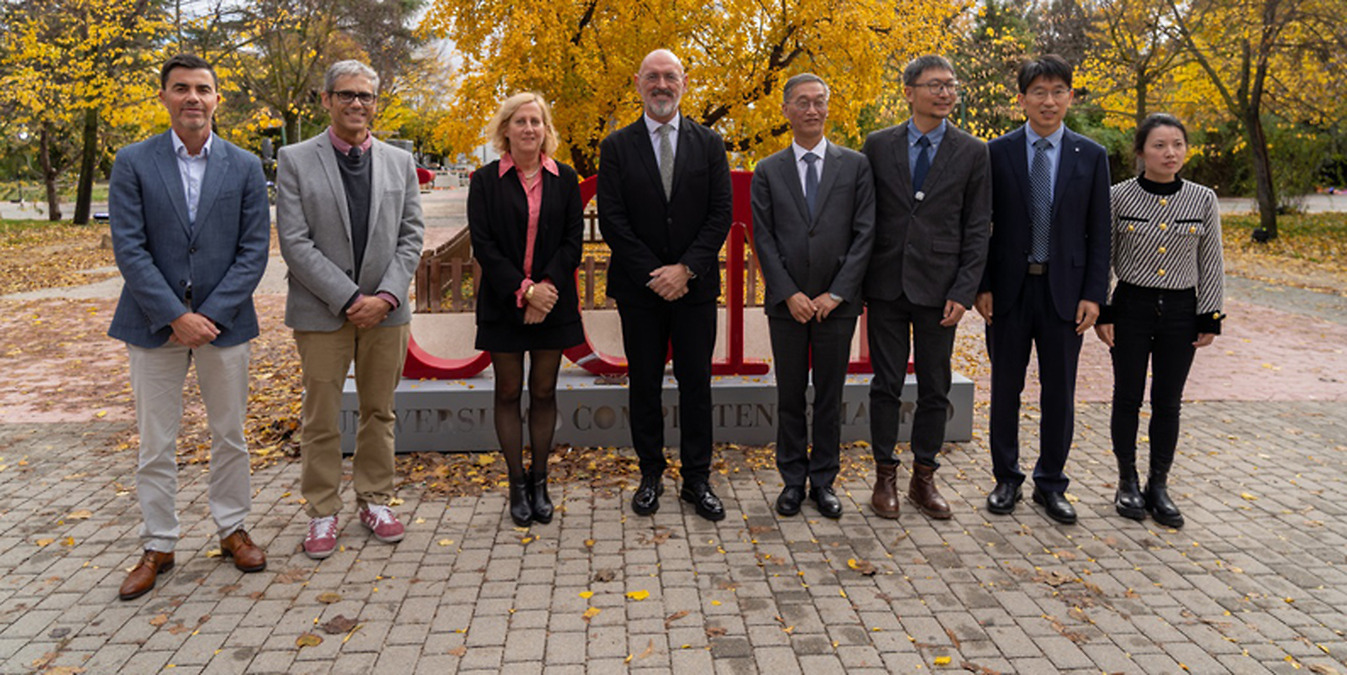
The Complutense University of Madrid has hosted the second edition of the China-Spain Civilisations Forum, which took place in the university's botanical garden on 12 November 2026. This year's theme was 'The resilience of civilisations'.
The forum follows a collaboration agreement signed in 2024 between the Complutense University and Renmin University in Beijing, China, aimed at establishing a research institute to promote the study of humanities. Joaquín Goyache, rector of the Complutense University, expressed a desire to expand this collaboration into other areas of knowledge.
The inaugural event featured Yao Jing, the Chinese ambassador to Spain, who highlighted the commonalities between the two nations and emphasised that “all civilisations on this planet must evolve together”.
The forum included several roundtable discussions and the opening of an exhibition titled 'Living between distances: joint creation and mutual learning between China and Spain'. This exhibition showcased works by professors and students from both institutions.
Raquel Monje, dean of the Faculty of Fine Arts at the Complutense University, presented various creations from Chinese artists, ranging from poetry to opera and painting. She noted that the exhibition represents “the enormous creative potential of our faculties through diverse artistic works and languages that reflect the plurality of perspectives and sensitivities of their authors”.
Monje further stated that this richness serves as a reminder of how art, even amidst differences, allows us to come closer, recognise one another, and learn from each other, transcending distances. She affirmed that this objective will continue to expand in future encounters.
Echoing her sentiments, Zhang Chun, dean of the Faculty of Fine Arts at Renmin University, sent a video message supporting the forum's goals. Chen Fang, dean of the Faculty of Foreign Languages at Renmin University, delegated her speech to Li Yan, director of the Joint Research Centre for China-Spain Civilisation Exchange and Mutual Learning. They both stressed that “the resilience of a civilisation is reflected in its ability to preserve its cultural roots, spiritual identity, and transitions in the face of historical transformations and challenges”.
Chen Fang elaborated that language is not merely a communication tool but also a fundamental vehicle for historical memory, cultural transitions, and the thought processes of a people. She asserted that literature, through its various artistic expressions, captures societal transformations, conveys collective emotions, and reflects the shared spiritual aspirations of humanity. Hence, the mission of foreign language and literature studies extends far beyond language teaching.
Eduardo Valls, dean of the Faculty of Philology at the Complutense University, shared this perspective, stating that the study of languages, literatures, and cultures constitutes profound pathways for communication between civilisations. He noted that this learning primarily means understanding different worldviews, thought organisation, and interpretations of a shared human reality.
In line with this conviction, the Faculty of Philology has promoted the teaching of the Chinese language and the understanding of its literature and culture, establishing Chinese studies within its programmes and developing specialised translation and research initiatives, which represent significant milestones in a proud trajectory.