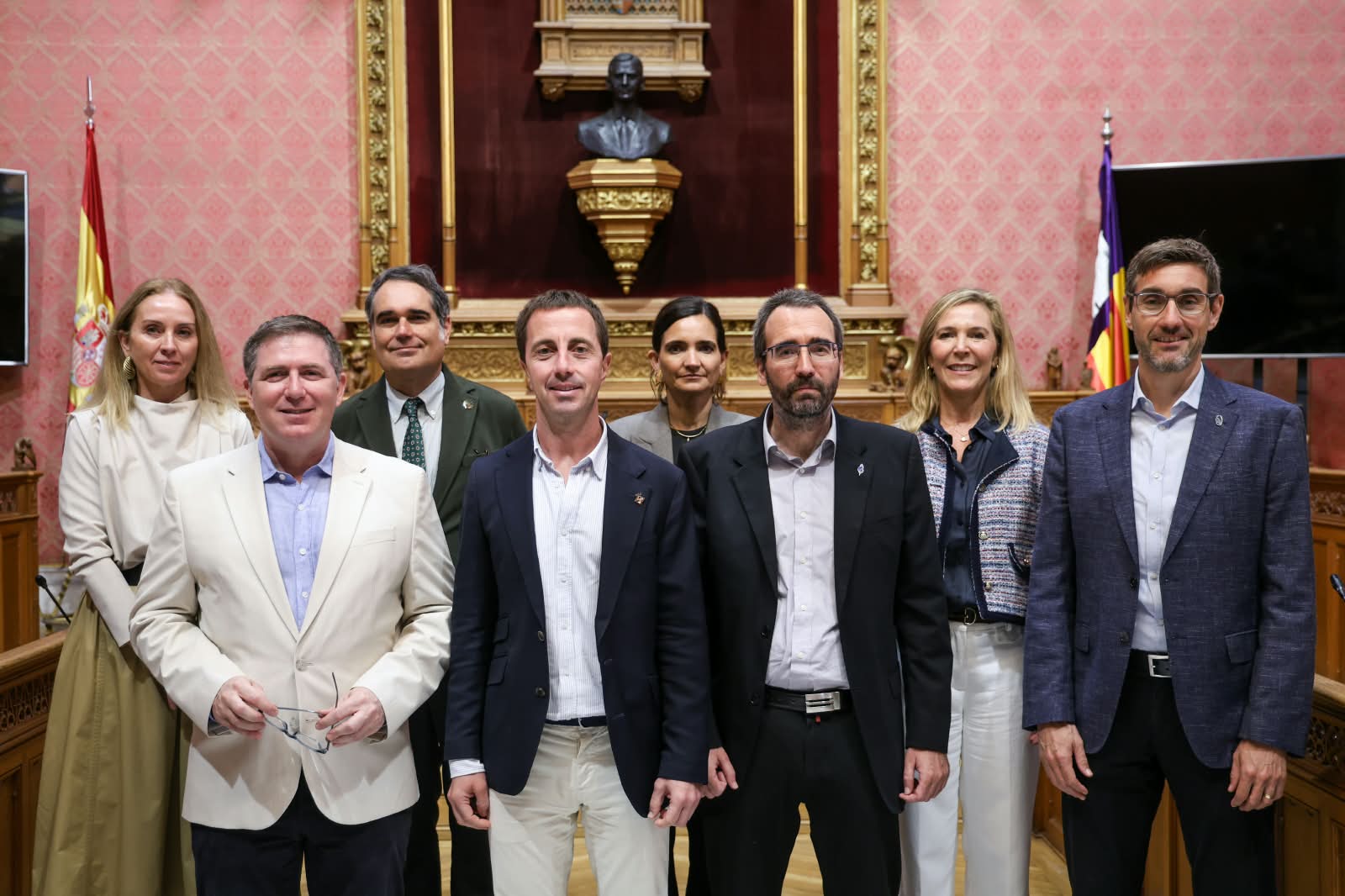
The Consell de Mallorca has reinforced its dialogue with the Agrupación de Cadenas Hoteleras (ACH) to address the challenges of the tourism sector. In a recent meeting, Llorenç Galmés, president of the Consell, and Guillem Ginard, the tourism councillor, welcomed the new leadership of the ACH, headed by Miquel Miralles, CEO of THB Hoteles, who has been appointed as the fifteenth president of the organisation.
The audience provided an opportunity to assess the sector's impressions of the high season and to discuss the expectations of hotel chains amid the current context. The representatives of the ACH presented their main lines of work and the challenges facing the hotel industry on the island.
Galmes expressed the Consell's support for tourism as a key driver of Mallorca's economy and emphasised the importance of working together towards a responsible, sustainable model that reflects the island's identity. He stated, “The future of tourism in Mallorca lies in consolidating a responsible model that considers the well-being of residents, the protection of the territory, and the quality of the visitor experience. The coexistence of residents and tourists is essential and must remain a fundamental principle of Mallorca's tourism policies.”
During the meeting, Miralles called for a less polarised debate on tourism, one that is based on data, planning, and technical solutions. He highlighted that tourism generates economic activity, employment, investment, and development. Another key point raised by the new president was the need to defend regulated tourism against illegal activities. Miralles advocated for enhanced inspection, coordination between administrations, and effective actions to ensure that operations outside the regulations are subject to control mechanisms.
The Consell is committed to evolving the tourism model based on responsibility, diversification, and de-seasonalisation, moving beyond the traditional sun and beach offerings to appreciate what makes Mallorca a unique destination: its culture, heritage, gastronomy, landscapes, traditions, and distinctive identity.
Finally, Galmés reiterated the importance of dialogue and collaboration with sector stakeholders to continue advancing this transformation, with a shared vision that harmonises tourism activity, economic prosperity, and the quality of life for residents.