On October 2, 2026, the Secretary of State for Democratic Memory, Fernando Martínez, emphasized that La Camocha Mine is a landmark of early labor struggles during Franco's dictatorship. This statement was made during a ceremony recognizing the site as a Place of Democratic Memory.
Martínez noted that the mine's methods of struggle, worker resistance, and the involvement of miner's wives were significant milestones in a strike that responded to low wages amidst the harsh repression and social control of the post-war period in Asturias. He remarked that these forms of representation in commissions became a mythical reference for the birth of Comisiones Obreras, a clandestine union supported by the Spanish Communist Party (PCE) and Catholic groups.
He highlighted that this marked the emergence of an alternative organizational model, distinct from the vertical Francoist union, which played a crucial role over several decades in achieving labor improvements and advancing freedoms and democracy in Spain.
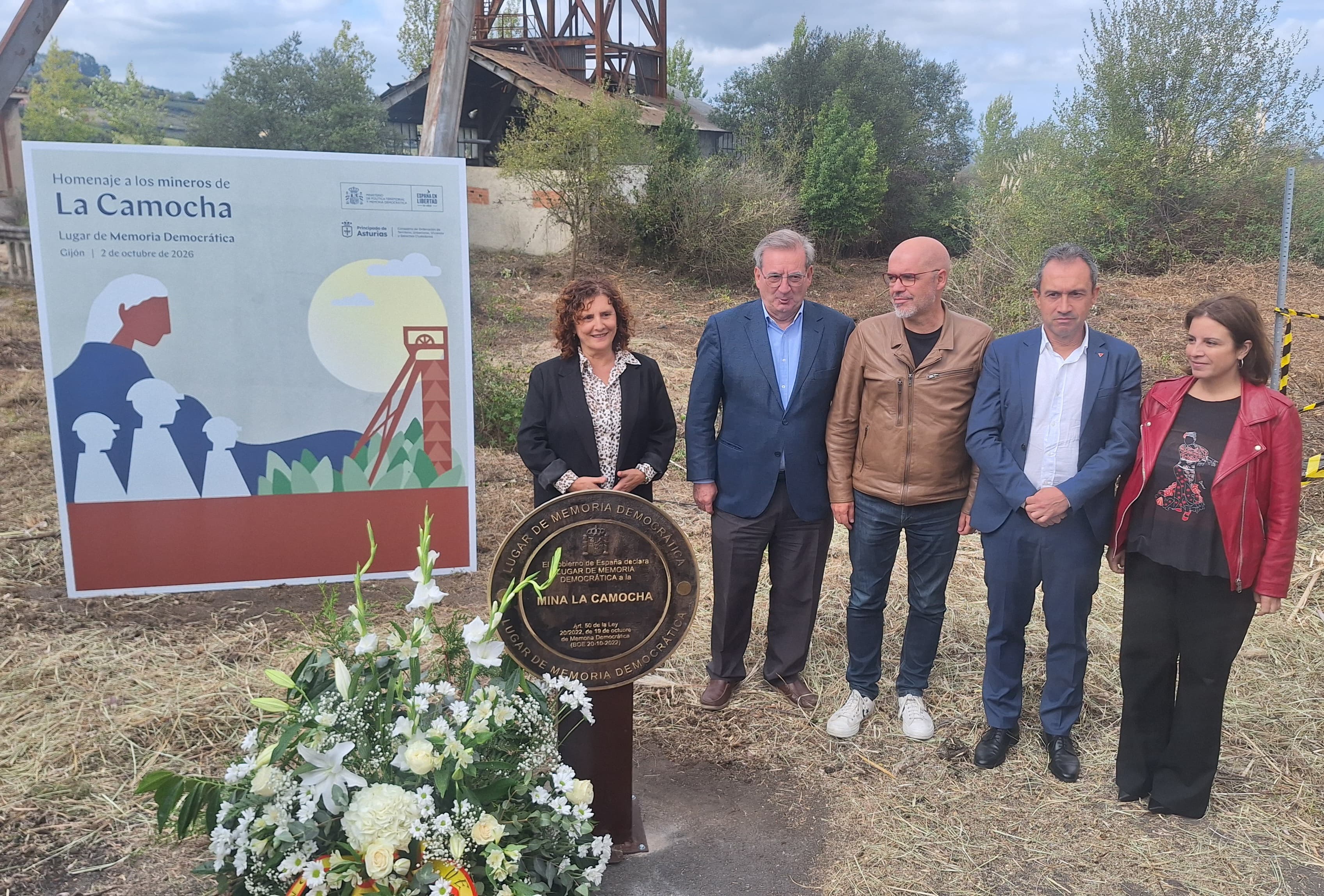
The ceremony at La Camocha Mine in Gijón included the unveiling of a commemorative plaque designating the site as a space linked to worker resistance against the Franco dictatorship and the struggle for freedoms and democracy. The event was organized by the Ministry of Territorial Policy and Democratic Memory in collaboration with the Government of the Principality of Asturias.
Among the attendees were Ovidio Zapico, the regional minister for Territory, Urbanism, Housing, and Citizens' Rights, and Unai Sordo, the Secretary General of Comisiones Obreras. Also present was Adriana Lastra, the Spanish Government's delegate in Asturias, along with representatives from mining families, labor organizations, and memorialist movements.
The program included a reflection on the 1957 strike through reports published by the press at the time, presented by Andrea Montes and Adrián Alonso, descendants of miners. The event concluded with the unveiling of the plaque 'Mina La Camocha Lugar de Memoria Democrática' and a floral tribute.
On June 12, 2026, the Official State Bulletin (BOE) published the resolution from the Secretary of State for Democratic Memory declaring La Camocha as a Place of Democratic Memory, emphasizing that the mobilizations at La Camocha exemplified resistance against the dictatorship and the struggle for democracy. It highlighted that these actions not only defied laws restricting workers' free organization but also dealt a significant blow to the vertical union, a cornerstone of Francoism.

.jpg "Unemployment rises by 0.99% in the Community of Madrid in the last month, with a 4.39% increase in contracts compared to last year")