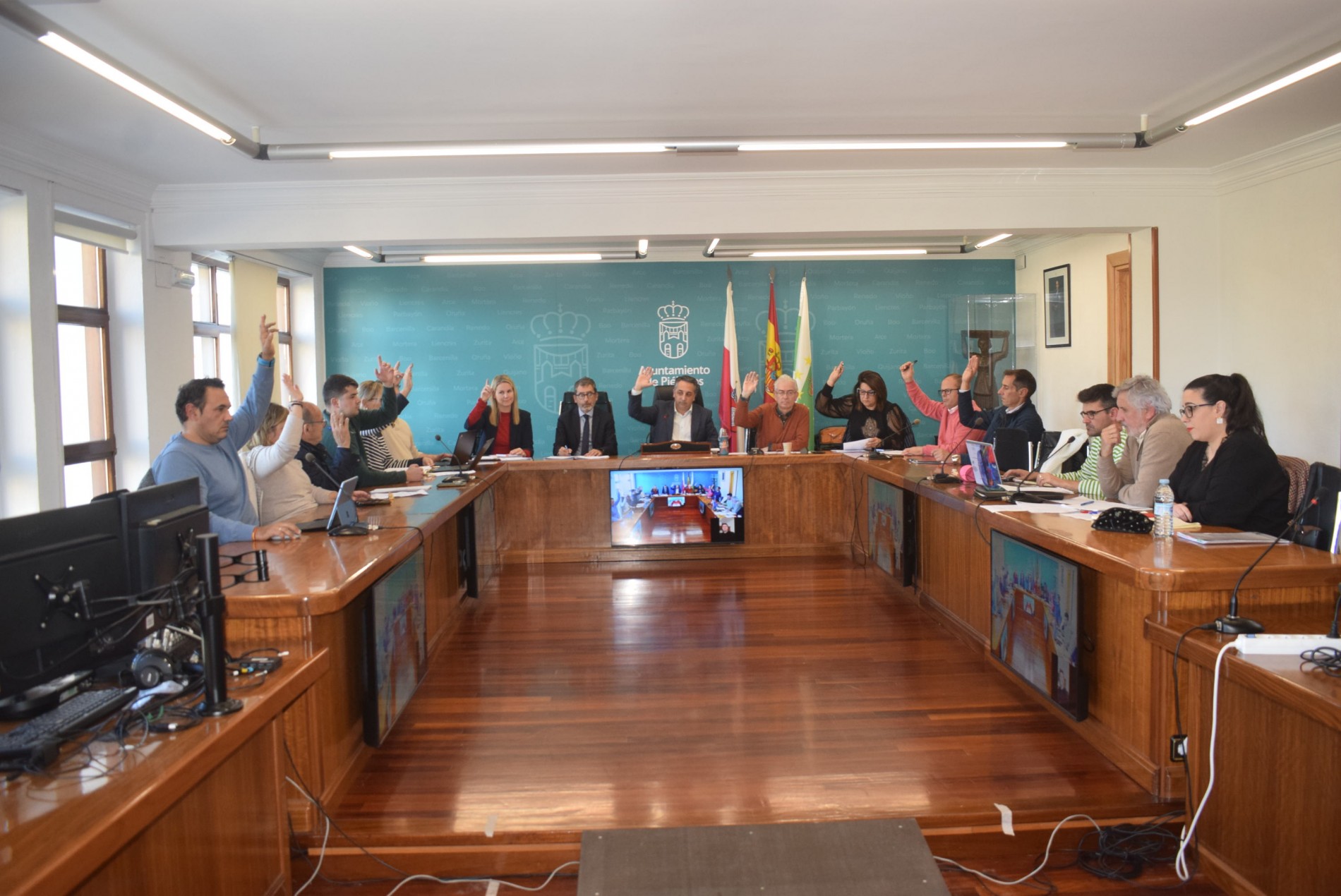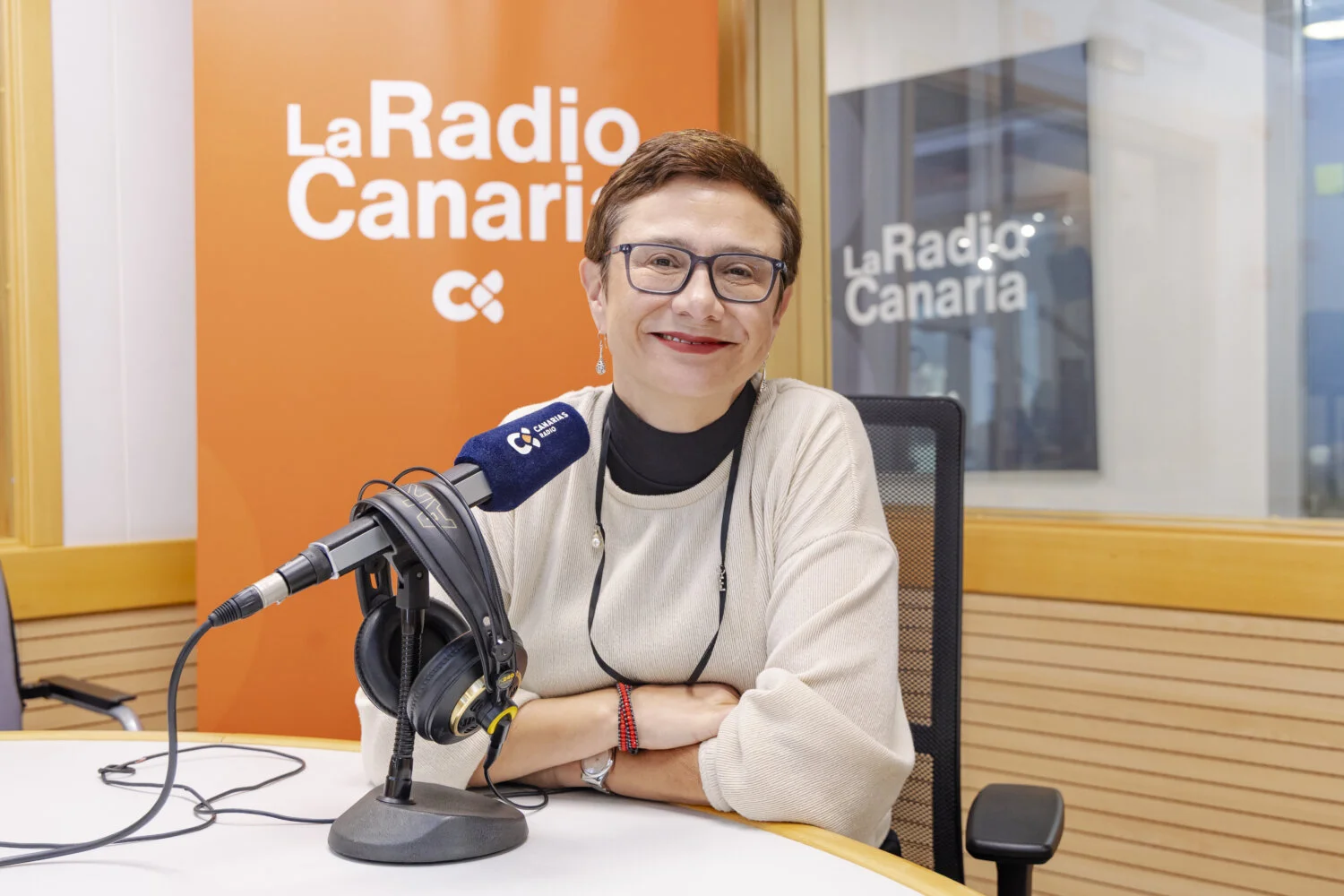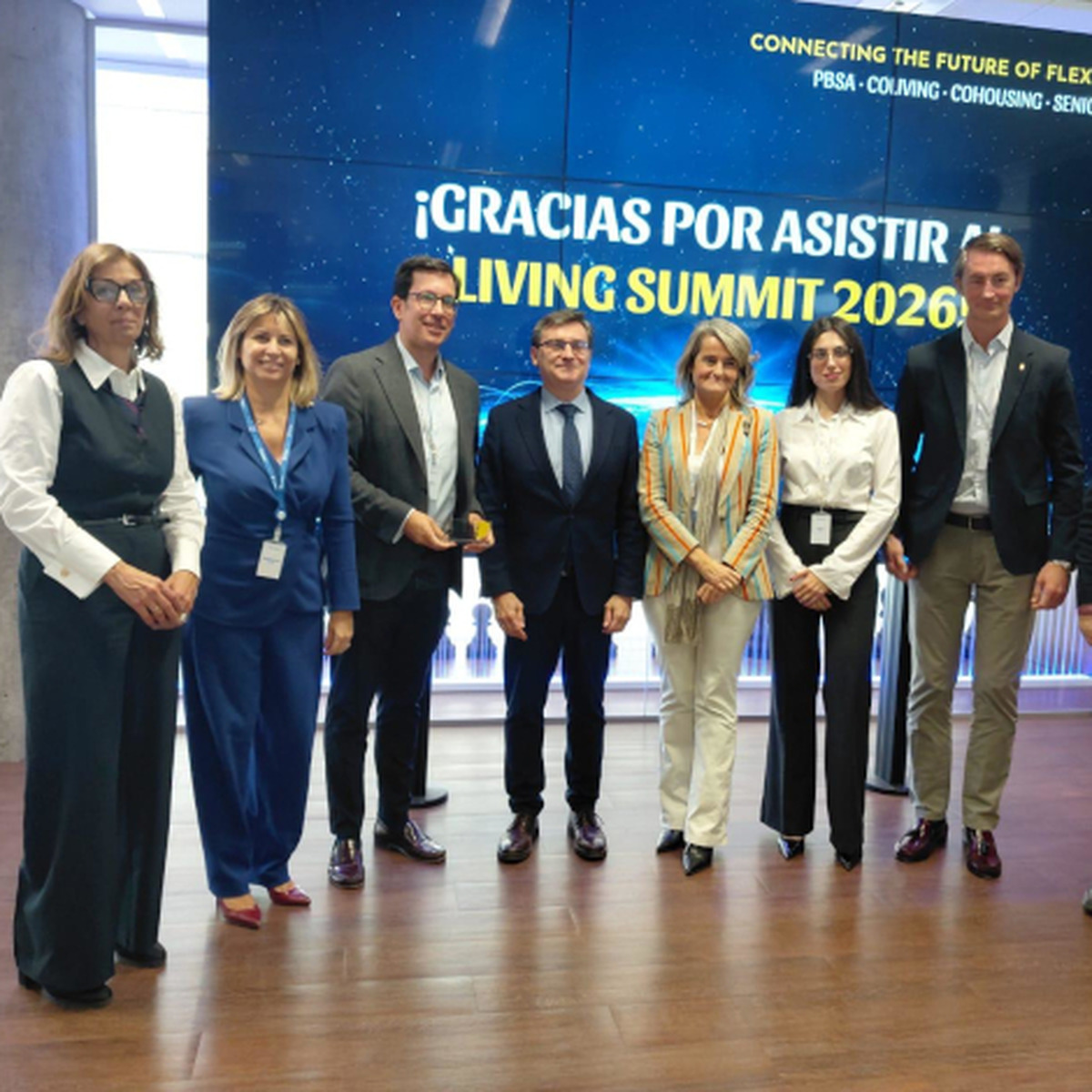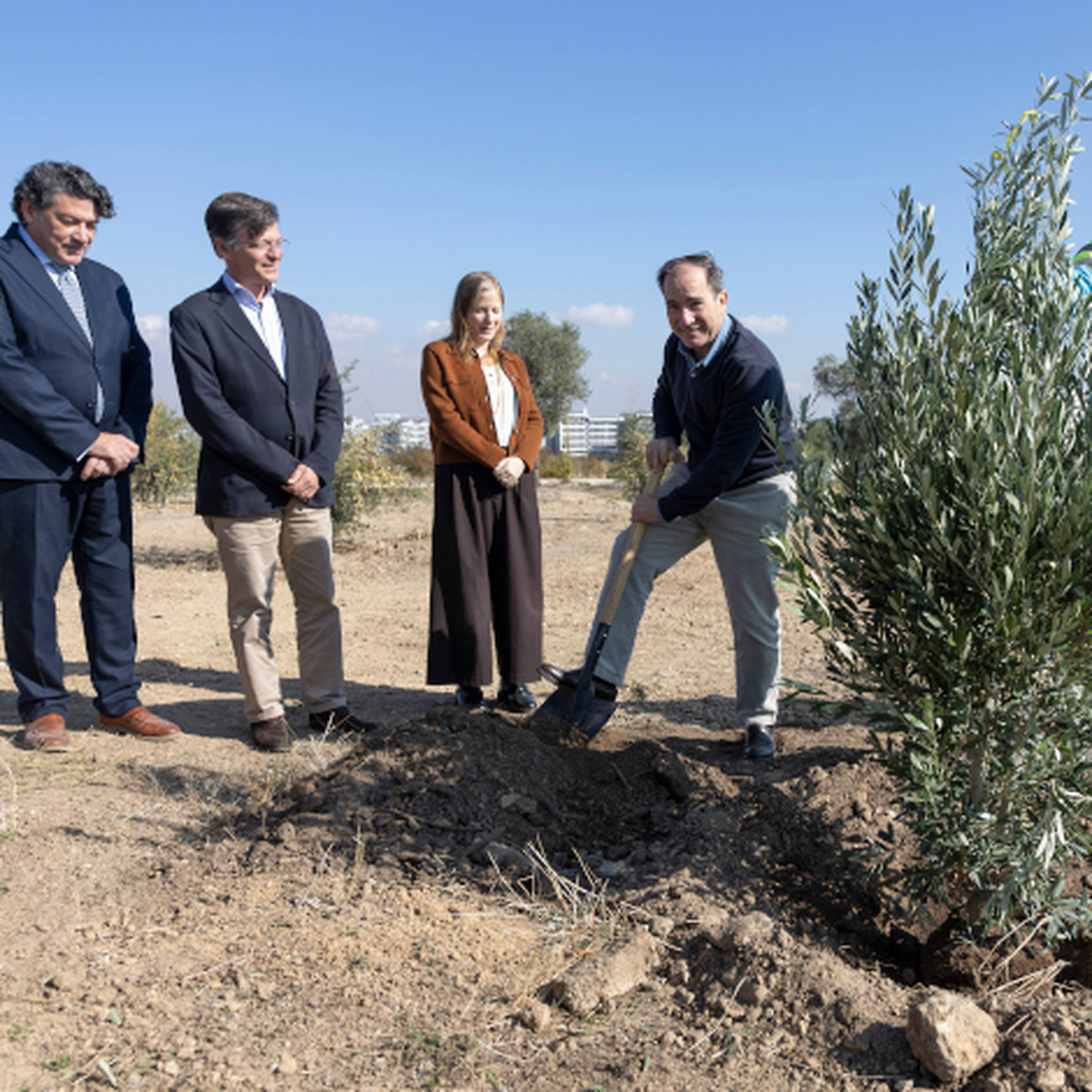
The Alicante Institute of Culture Juan Gil-Albert has presented the reports for the projects "Rempujo, punzón y lezna" and "Didals," which were the winning entries of this year's Petricor Research Residencies in Performing Arts. These residencies took place at the Marine Research Centre (CIMAR) in Santa Pola, managed by the University of Alicante.
Juan de Dios Navarro, the deputy for Culture, explained that this third edition focused on the recovery and enhancement of the work of women in textile crafts and fishing net making. He stated, "These are two high-quality and rigorous works that fully align with the criteria of this call, which aims to conserve, protect, and promote the environment and the historical, artistic, and anthropological heritage of the province of Alicante. Furthermore, both initiatives are in line with the objectives of the 2030 Agenda and contribute to a deeper understanding of the ethnography and natural wealth of our territory."
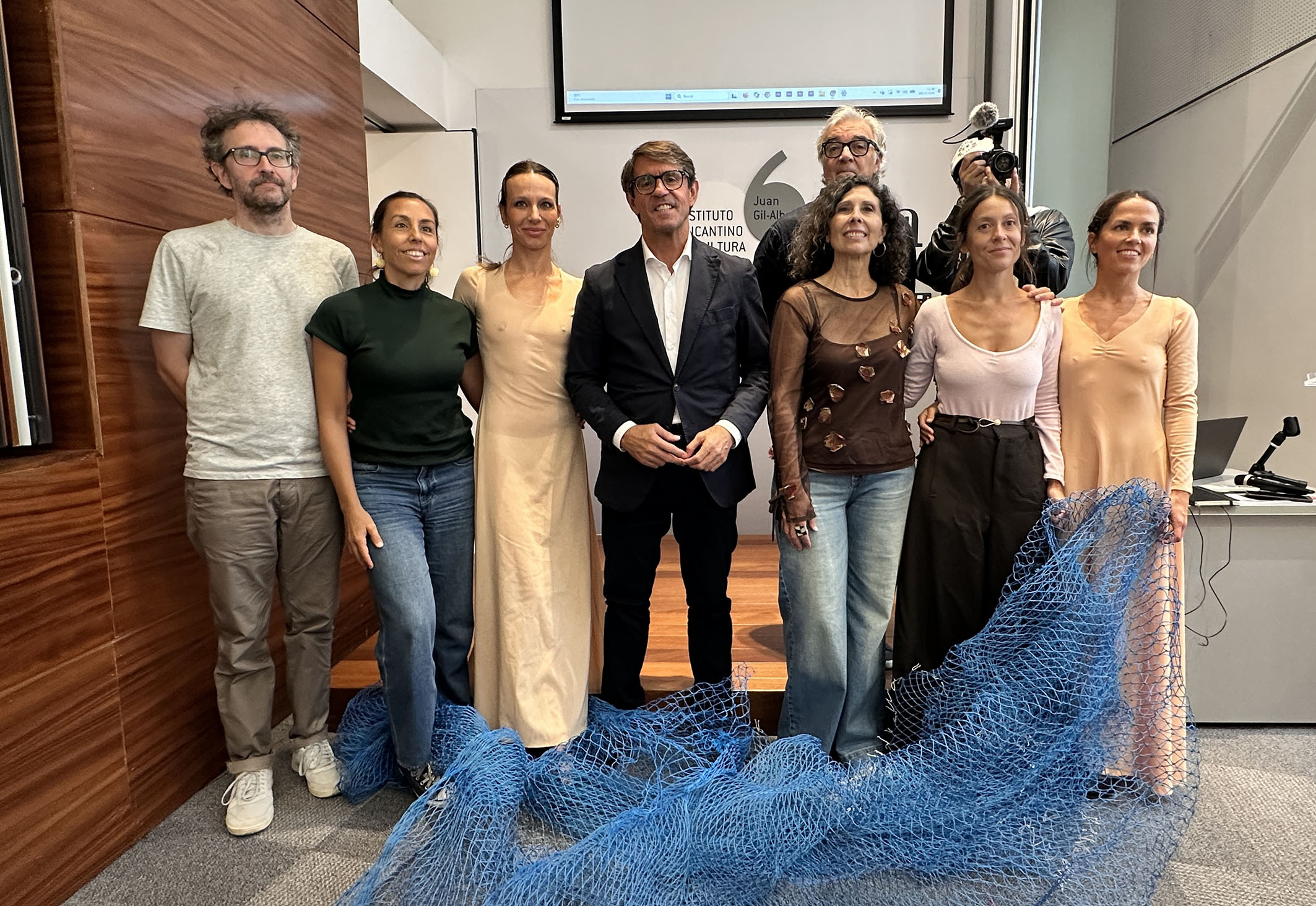
The presentation event also featured contributions from Cristina Martínez, the director of the IAC Juan Gil-Albert, and members of the participating teams. The project "Rempujo, punzón y lezna," led by dancer and choreographer Conchi Rodríguez, and "Didals," headed by Morgan Blasco, were showcased this year. The event included the presence of María López, Alicia Reig, Alba Alberola, and Carlos Izquierdo from "Rempujo, punzón y lezna," as well as Joan Sabas and Adán Aliaga from "Didals." Each team presented an audiovisual piece documenting their work during the residency, followed by a dance performance by Conchi Rodríguez's team and the net makers, which illustrated the outcomes of their research and artistic creation process.
"Rempujo, punzón y lezna" is a research and performance project that draws inspiration from the traditional craft of net making in Santa Pola. According to its creators, the project emerged from an interest in the repetitive gestures of the net makers and their choreographic potential. Encounters with these artisans revealed the stories of work, effort, community, and memory behind each movement. Their diverse and sometimes contradictory testimonies enriched the research, providing bodily, auditory, and visual materials for further development of the piece. The team noted, "The residency at CIMAR has also been a very valuable human experience, leaving us with new learnings, questions, and paths to explore."
On the other hand, "Didals," which also involved collaboration with Etna Suárez, is an artistic research project that uses an inherited thimble as a starting point to explore the familial and collective memories of women, their work, gestures, and experiences. Through photographs, testimonies, memories, sounds, and other visual materials, the research establishes connections between everyday objects and the stories they hold. From an interdisciplinary approach, the project aims to transform personal memory into a space for encountering other memories and narratives of women, opening new dramaturgical and creative possibilities.