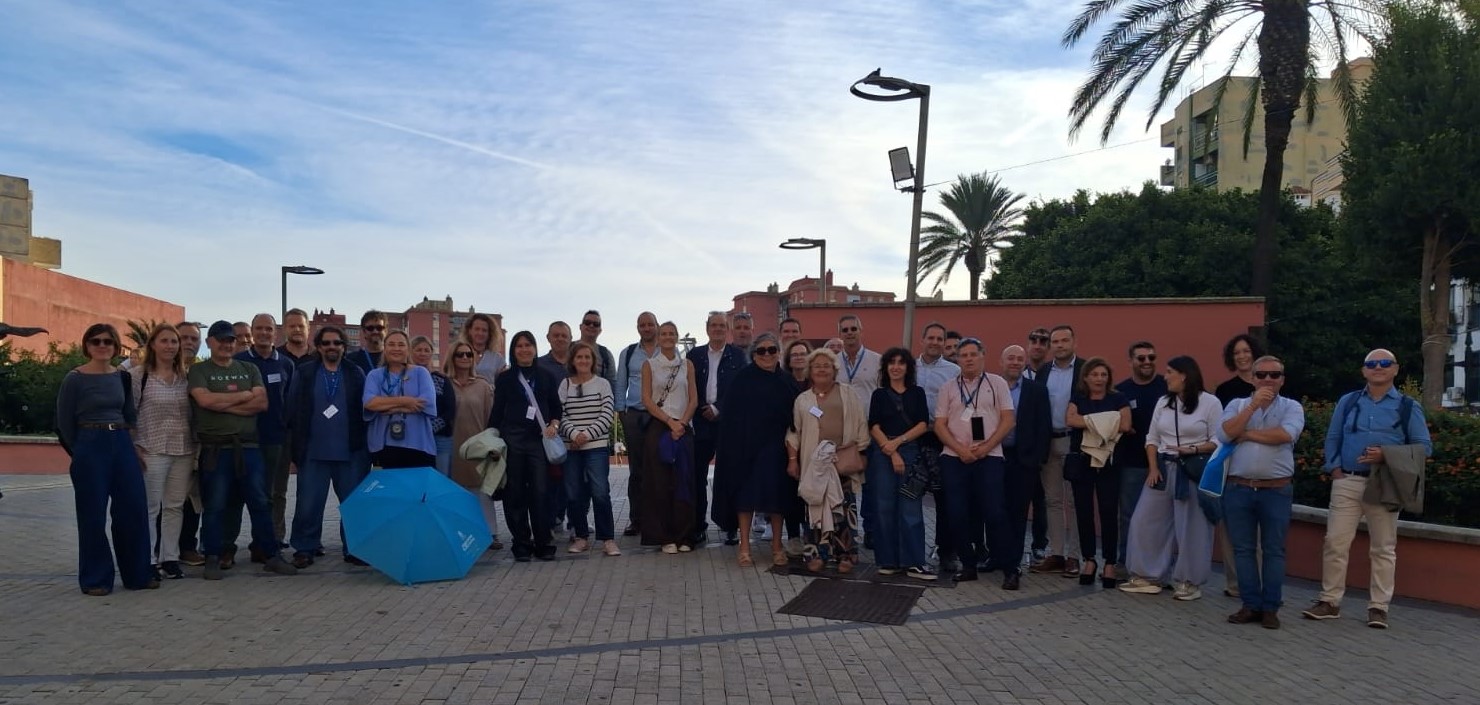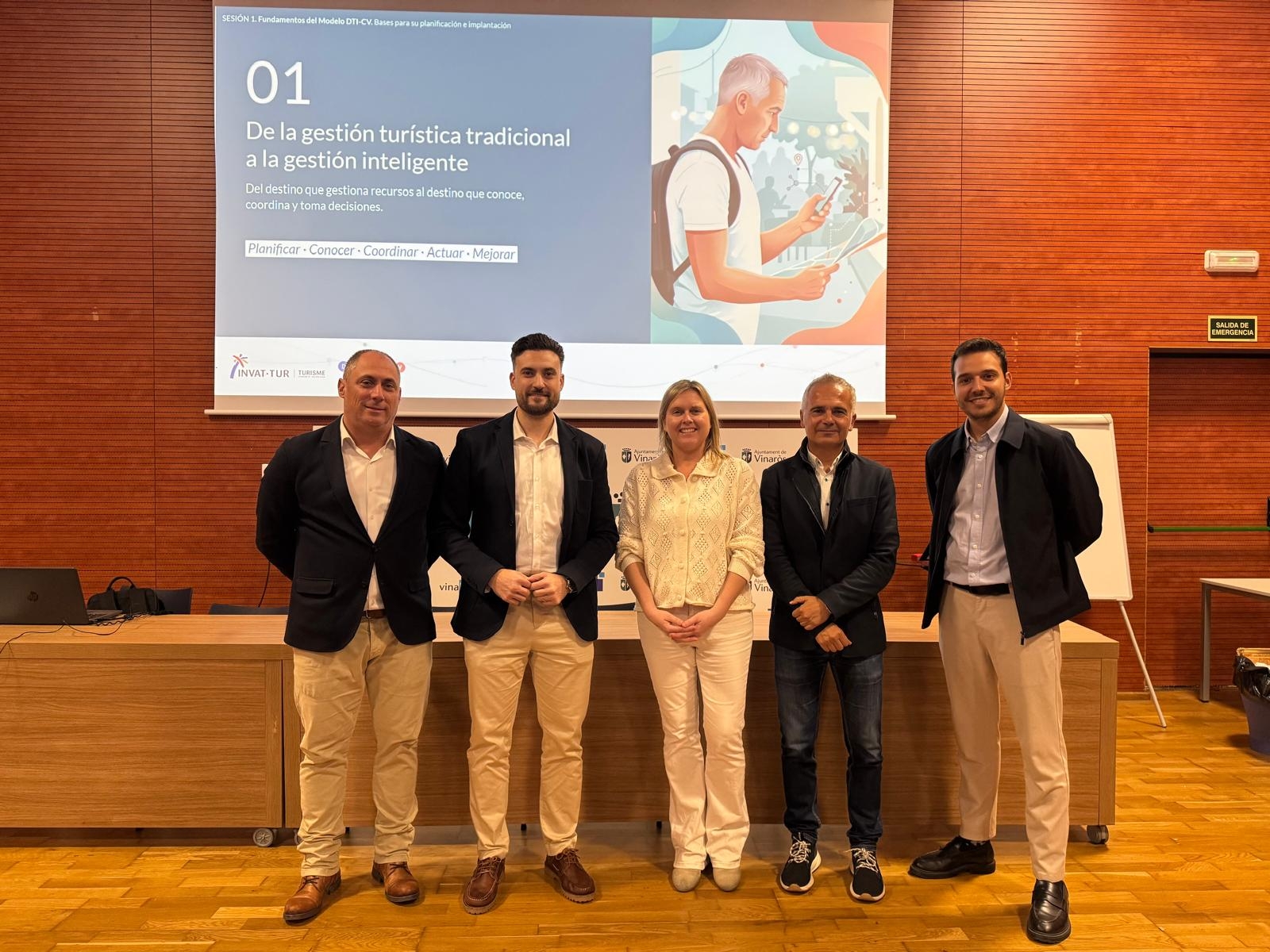
Turisme Comunitat Valenciana, via the Valencian Institute of Tourist Technologies (invat·tur), held a two-day training course on the fundamentals of the Intelligent Tourist Destinations model of the Comunitat Valenciana (dti-cv) on 19 and 20 October at the Vinalab Knowledge Centre in vinaròs. The course was designed for professionals involved in municipal tourism management and technical leaders from various destinations within the region.
The initiative aims to enhance understanding of the dti-cv model and provide practical tools for its planning, implementation, and monitoring. Participants included technicians from destinations integrated into the dti-cv Network, members of interdepartmental technical committees, interested municipalities, and professionals from other tourism administrations.
The first day focused on the fundamentals of the dti-cv model, covering topics such as tourism governance, inter-administrative cooperation, and methodologies for planning and implementing the model in line with invat·tur’s priorities to expand knowledge and application across the territory.
The second day delved into practical tools for implementation, including dti master plans, indicator systems, strategy monitoring, and the integration of tourism intelligence and innovation into destination management. Key areas such as sustainability, accessibility, technology, and online marketing were also addressed, with a particular emphasis on data usage and knowledge generation as essential elements for improving decision-making and enhancing tourism management efficiency.
Training technical teams is a fundamental aspect of extending the dti-cv model and ensuring its effective application in the municipalities of the Comunitat Valenciana. These actions facilitate knowledge sharing, strengthen destination management capacities, and help tailor tourism strategies to the unique characteristics of each area.
Through this initiative, invat·tur reaffirms its commitment to knowledge transfer and cooperation among destinations, contributing to the establishment of a tourism management model based on governance, innovation, sustainability, and tourism intelligence.